Bloodhound vs Irish Wolfhound
Side-by-side comparison across all 14 AKC trait ratings, with a clear verdict on which breed fits which kind of household.

Not sure which breed fits your life?
Answer five questions about your home, your schedule, and your tolerance for shedding. We’ll match you to your top three breeds from over 200.
Bloodhound vs Irish Wolfhound
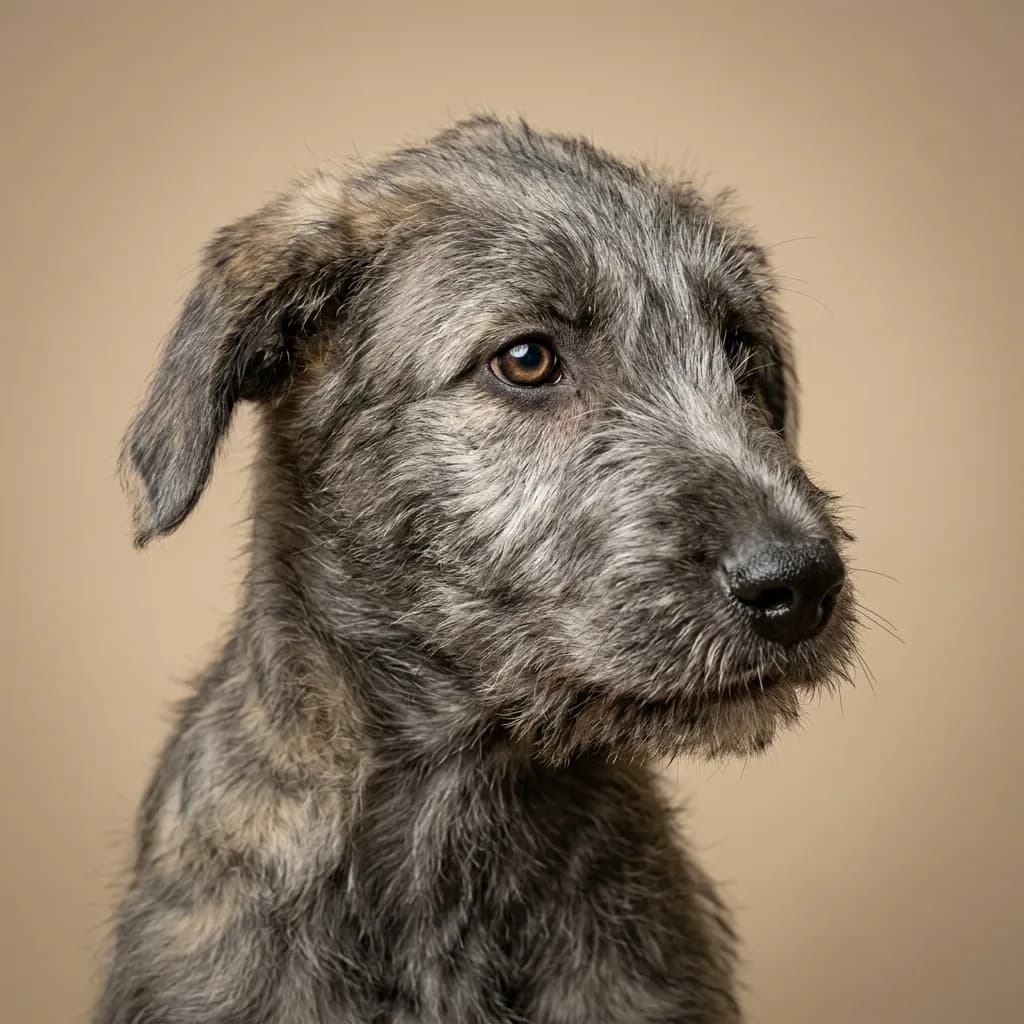
People compare Bloodhounds and Irish Wolfhounds because they’re both massive, majestic hounds that tower over most dogs, but that’s where the similarity ends. One’s a nose on legs built for tracking fugitives, the other’s a gentle giant with the soul of a medieval warrior. Choosing between them isn’t about size. it’s about purpose and pace. The Bloodhound lives to follow a scent. You could be halfway across the county, and that dog will still be on your trail, ears dragging, utterly unfazed by distractions. They’re friendly but stubborn, loud but loving. If you’re the type who hikes, hunts, or works search and rescue, their obsession is a gift. But don’t expect quiet evenings. They bay like they’re announcing the apocalypse, and their drool could fill a bowl. They need space, a secure fence, and someone who doesn’t mind a slobbery footprint on the kitchen counter. The Irish Wolfhound, by contrast, is a quiet titan. They’re calm indoors, barely bark, and treat kids with the patience of a monk. But their size comes at a cost. literally and emotionally. They’re prone to heart issues and cancer, and most won’t live past 8 years. You’ll love them deeply and lose them too soon. They’re not built for city life either, but not because they’re hyper. It’s because their heart is so big, and their time is so short. Here’s the truth beyond the data: the Bloodhound will test your patience with noise and independence, but you’ll have over a decade of adventures. The Irish Wolfhound won’t ask for much, but they’ll leave a hole in your chest when they go. Pick the Bloodhound if you want a driven partner. Pick the Wolfhound if you’re ready to love fiercely, knowing the clock is ticking.
Trait-by-trait
Higher bar = more of that trait. Shedding, barking, drooling, grooming flipped for readability.Where they diverge
Choose the Bloodhound if…
- Active people
- Rural homes
- Hunters
- You value barking level — Bloodhound scores noticeably higher.
Choose the Irish Wolfhound if…
- Families with space
- Gentle companion seekers
- Owners with large homes
- You value watchdog / protective — Irish Wolfhound scores higher here.