Australian Stumpy Tail Cattle Dog vs Bloodhound
Side-by-side comparison across all 14 AKC trait ratings, with a clear verdict on which breed fits which kind of household.
Not sure which breed fits your life?
Answer five questions about your home, your schedule, and your tolerance for shedding. We’ll match you to your top three breeds from over 200.
Australian Stumpy Tail Cattle Dog vs Bloodhound
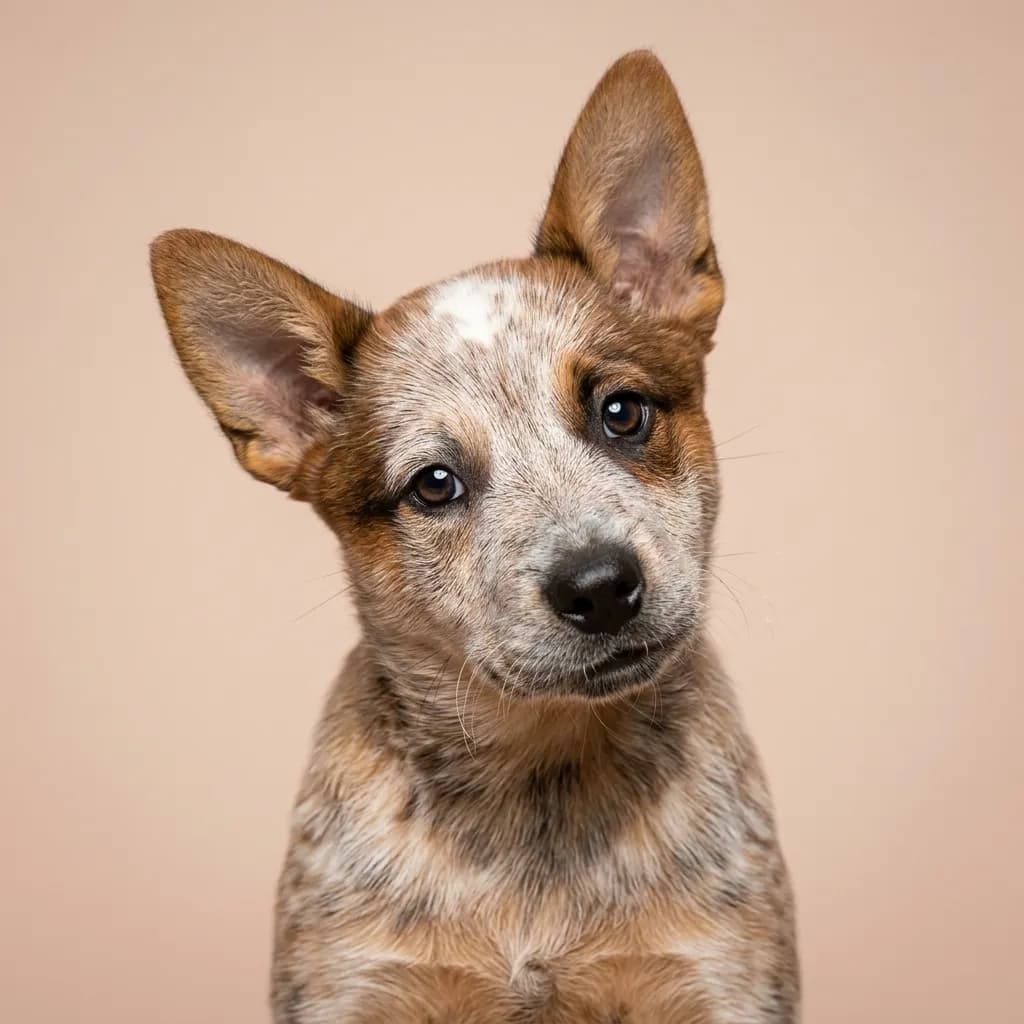
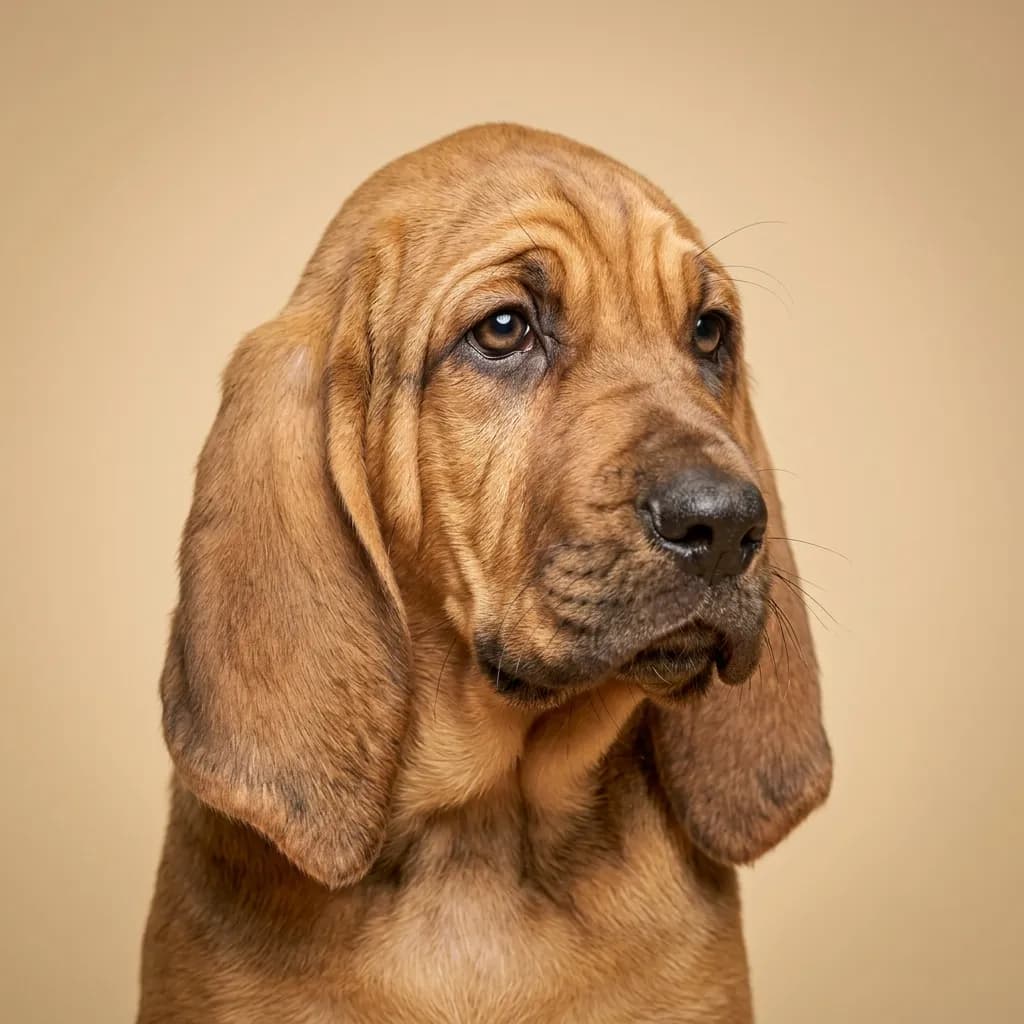
You’re not going to see an Australian Stumpy Tail Cattle Dog and a Bloodhound at the same dog park often. and for good reason. People compare them not because they look alike (they don’t) but because they’re both rare, intense in their own ways, and demand experienced owners. But that’s where the similarities end. The Stumpy is all coiled energy, bred to work cattle across vast outback stations. He’s alert, comical, and will herd your kids in circles if you let him. He needs a job, space, and an owner who speaks “dog” fluently. Without mental challenge, he’ll find his own. like dismantling your garden or barking at shadows (though he’s actually fairly quiet for such a driven breed). He’s not clingy, but he’s loyal in his own focused way. The Bloodhound is a different kind of intense. He’s not herding, he’s following. specifically scent. That nose can track a person for over 130 miles. He’s gentle, affectionate, and patient, but once he catches a whiff, good luck calling him back. He’s not stubborn; he’s just deeply committed to sniffing that patch of grass like it holds the secrets of the universe. His baying can rattle windows, and those droopy ears need weekly cleaning. Choose the Stumpy if you’re active, experienced, and want a dog that works beside you. just know he’s not a couch potato. Choose the Bloodhound if you’re patient, don’t mind drool on your sleeves, and appreciate a laid-back giant with a singular obsession. Here’s the real talk: neither of these dogs fits modern suburban life easily. The Stumpy will exhaust you. The Bloodhound will ignore you. politely. But in the right home, both are unforgettable. Just make sure you’re ready for what they actually are, not what they look like in photos.
Trait-by-trait
Higher bar = more of that trait. Shedding, barking, drooling, grooming flipped for readability.Where they diverge
Choose the Australian Stumpy Tail Cattle Dog if…
- working farms
- active rural owners
- experienced herding dog handlers
- You value energy level — Australian Stumpy Tail Cattle Dog scores noticeably higher.
Choose the Bloodhound if…
- Active people
- Rural homes
- Hunters
- You value drooling level — Bloodhound scores higher here.