Barbet vs Samoyed
Side-by-side comparison across all 14 AKC trait ratings, with a clear verdict on which breed fits which kind of household.

Not sure which breed fits your life?
Answer five questions about your home, your schedule, and your tolerance for shedding. We’ll match you to your top three breeds from over 200.
Barbet vs Samoyed
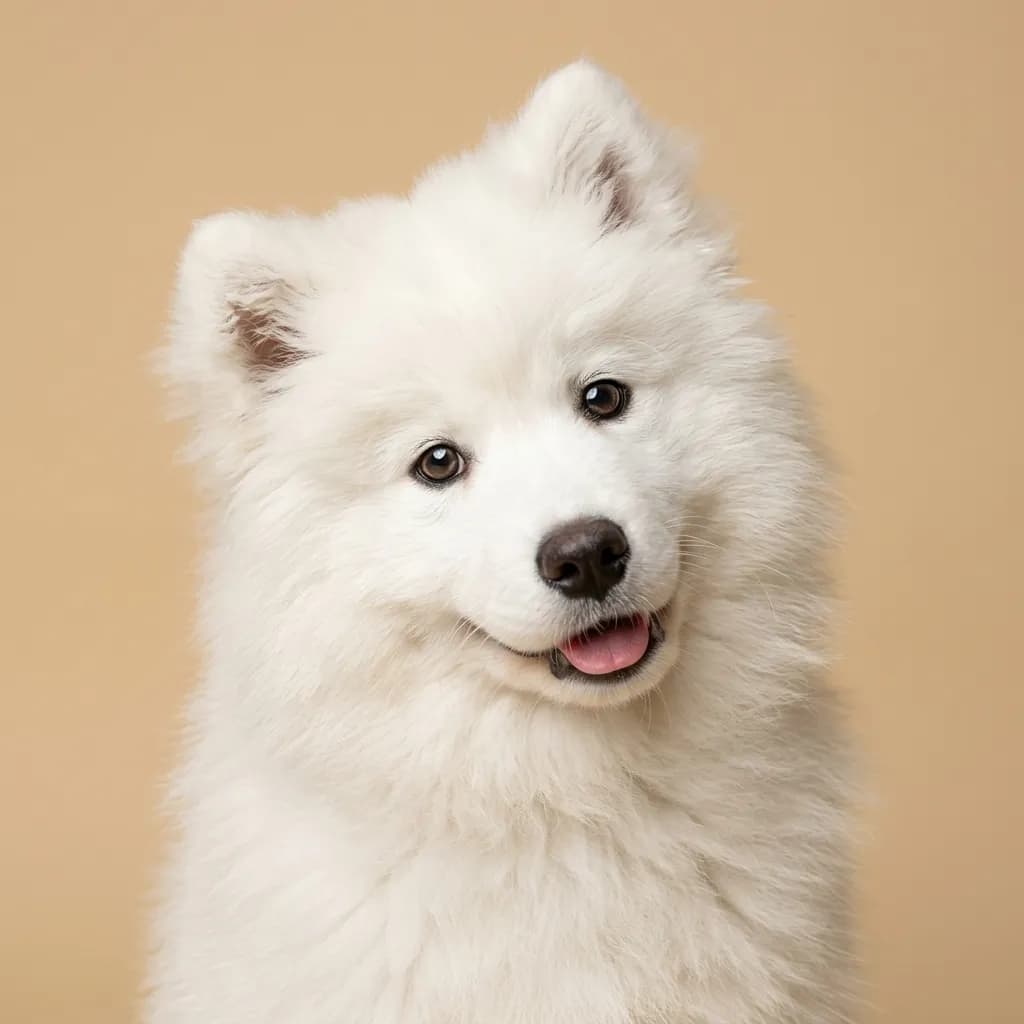
You’re probably eyeing these two because they look vaguely similar at first glance. floofy, happy-go-lucky, tail curled over the back, that signature doggy grin. And both are friendly, great with kids, and born to be part of the family. But that’s where the similarities soften into very different realities. The Barbet is the quieter, more low-key operator. Think of it as the thoughtful retriever who’d rather splash through a creek than dominate the backyard. It’s got energy, sure, but it’s steady, not frantic. You’ll love its minimal shedding. huge if someone in your home has allergies. and its trainability makes it a breeze for first-time owners. But don’t slack on grooming. That dense, woolly coat mats fast, and you’ll need weekly upkeep. It bonds deeply but doesn’t demand constant attention. It’s happiest when you’re active together. hikes, swims, training games. not when you’re just sitting. The Samoyed? This dog wants to be part of everything. All. The. Time. It’s louder, more insistent. That 5/5 barking means it’ll greet the mailman, the squirrel, and your alarm clock with equal enthusiasm. It sheds. twice a year it blows its entire coat like a blizzard in your living room. And yes, it needs brushing weekly, daily in shedding season. But in return, you get unmatched affection. It’s a dog that sleeps with one eye open just to make sure you’re still there. Here’s the real talk: people compare them because they look like cousins. But the Barbet is a specialist. best for active homes that want a wash-and-wear water dog with less mess. The Samoyed is a social butterfly with a job. keeping your heart warm, no matter the weather. If you want a dog that’s always with you, even when you’re trying to nap, go Samoyed. If you want a companion that joins your adventures without hijacking your peace, the Barbet’s your match.
Trait-by-trait
Higher bar = more of that trait. Shedding, barking, drooling, grooming flipped for readability.Where they diverge
Choose the Barbet if…
- Families
- Active people
- Allergy sufferers
- You value good with other dogs — Barbet scores noticeably higher.
Choose the Samoyed if…
- Active families
- Cold climate households
- Dog sports enthusiasts
- You value shedding level — Samoyed scores higher here.