Basenji vs Belgian Sheepdog
Side-by-side comparison across all 14 AKC trait ratings, with a clear verdict on which breed fits which kind of household.

Not sure which breed fits your life?
Answer five questions about your home, your schedule, and your tolerance for shedding. We’ll match you to your top three breeds from over 200.
Basenji vs Belgian Sheepdog
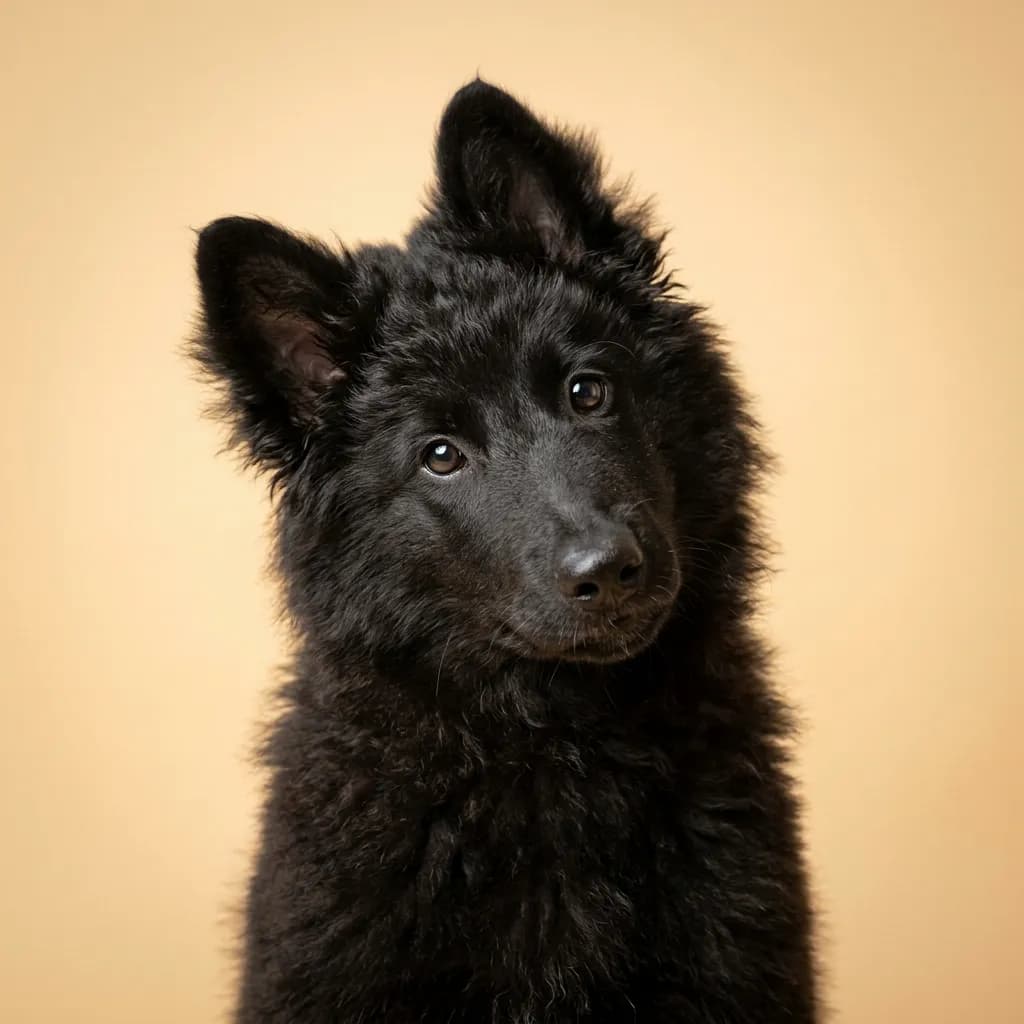
You might wonder why anyone would compare a sleek, fox-like African hound to a rugged, jet-black Belgian herder. But both are smart, high-energy breeds that thrive on purpose, and people drawn to them often want a dog that’s mentally sharp and physically capable. Where they diverge is everything that actually matters day to day. The Basenji is a paradox in a 24-pound frame. He’s catlike, fastidiously clean, and famously doesn’t bark. instead, he yodels. But don’t be fooled by the quiet. This is a dog with the independence of a feral cat and the focus of a laser. He won’t follow commands just because you asked. You’ll need patience, consistency, and thick skin when he chooses to ignore you. He’s better off in a home where someone’s home a lot, someone who gets that his aloofness isn’t coldness. it’s just Basenji. And if you have a rabbit or a hamster, he’ll view it as prey, not a pet. The Belgian Sheepdog, meanwhile, is all focus and drive. He’s bigger, heavier, and needs structure. This dog wants to work. Whether that’s agility, herding trials, or long hikes with tasks, he needs a job. He’s more biddable than the Basenji. eager to please, actually. but that doesn't mean he’s easier. He demands mental stimulation like oxygen. A bored Belgian Sheepdog will redecorate your couch with his teeth. Here’s the real insight: both breeds are high-maintenance, but in opposite ways. The Basenji is low on barking and shedding but high on stubbornness. The Belgian is trainable but needs space, activity, and constant engagement. If you want a dog that fits quietly into an apartment and entertains itself, the Basenji might work. if you can handle the aloofness. If you’re active, experienced, and want a partner in adventure, the Belgian Sheepdog will give you everything. Just don't expect to lounge on the couch together much.
Trait-by-trait
Higher bar = more of that trait. Shedding, barking, drooling, grooming flipped for readability.Where they diverge
Choose the Basenji if…
- Apartments
- Experienced owners
- Allergy sufferers
Choose the Belgian Sheepdog if…
- Active people
- Experienced owners
- Dog sports enthusiasts
- You value trainability — Belgian Sheepdog scores higher here.