Belgian Sheepdog vs Chow Chow
Side-by-side comparison across all 14 AKC trait ratings, with a clear verdict on which breed fits which kind of household.
Not sure which breed fits your life?
Answer five questions about your home, your schedule, and your tolerance for shedding. We’ll match you to your top three breeds from over 200.
Belgian Sheepdog vs Chow Chow
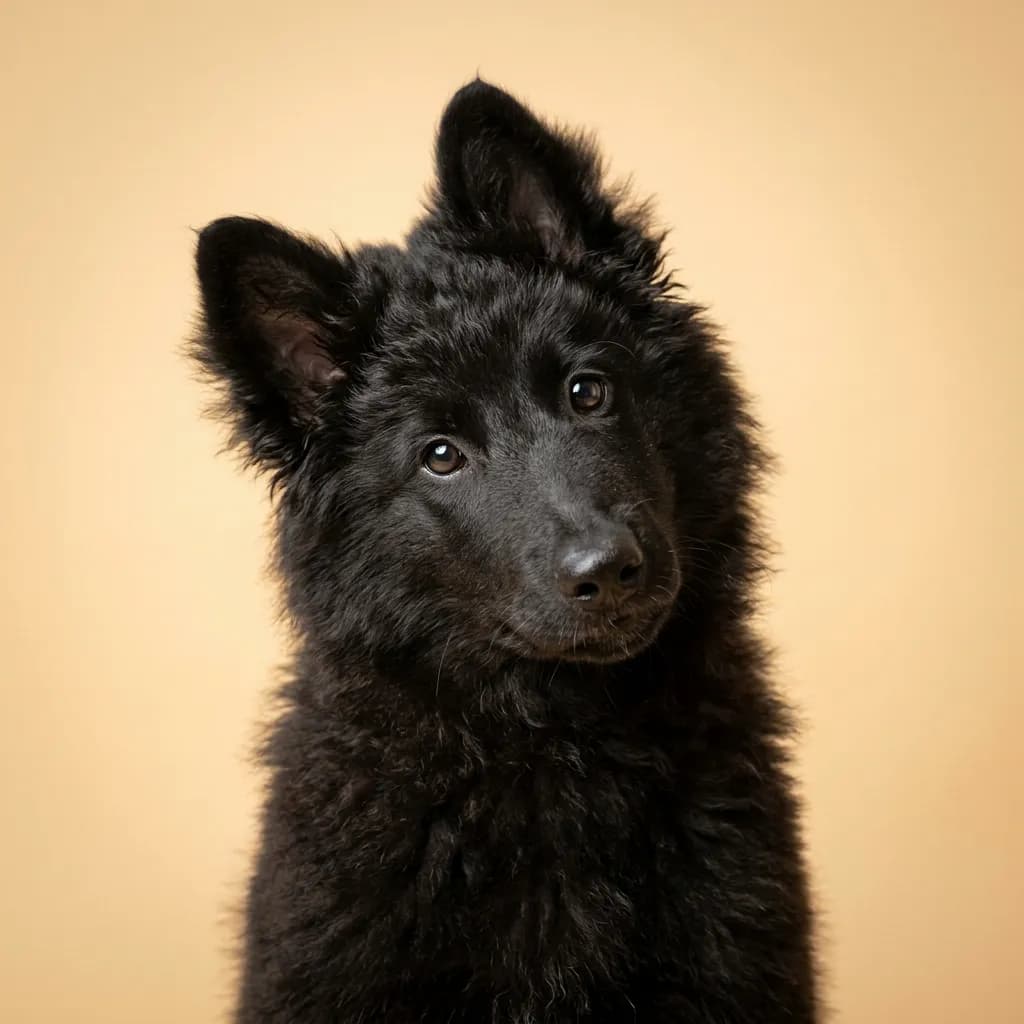
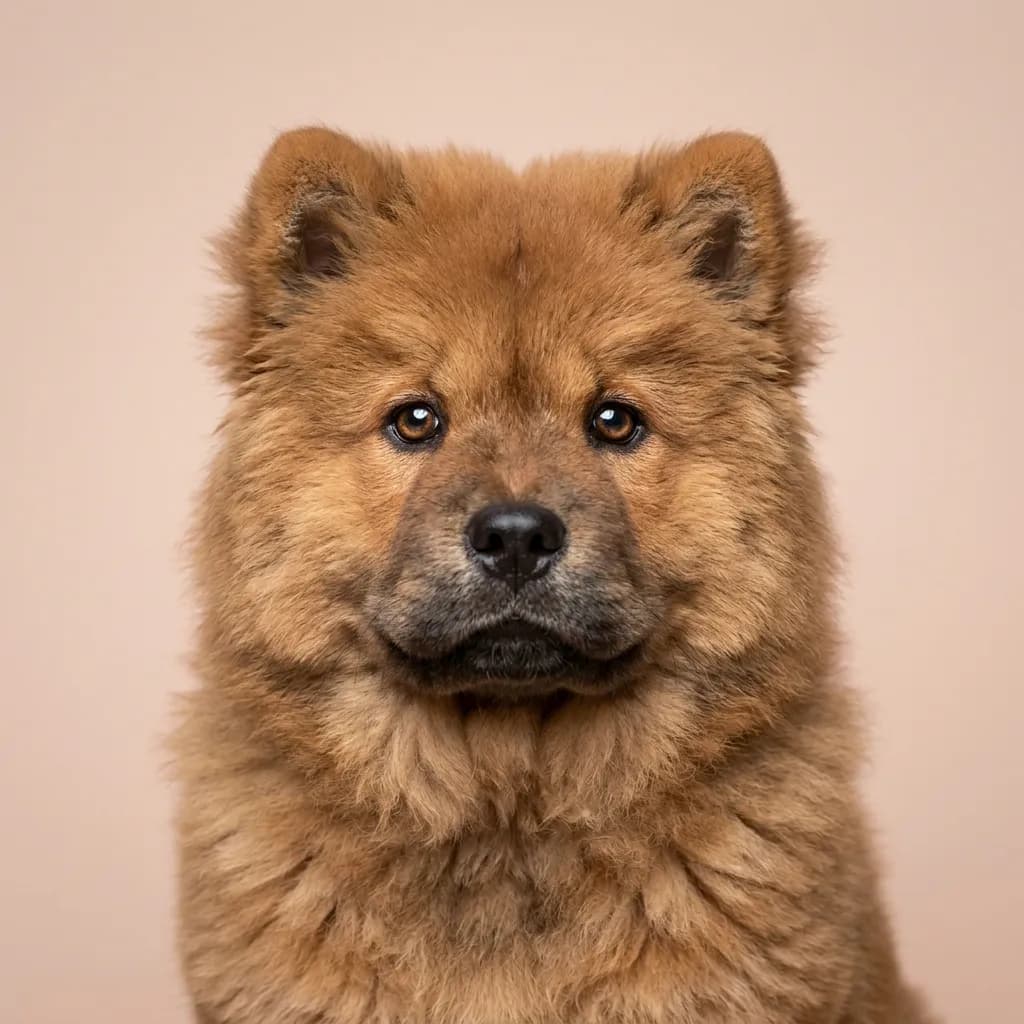
People compare Belgian Sheepdogs and Chow Chows because they’re both medium to large, thick-coated breeds with a serious look and a loyal streak. But that’s where the similarities end. Think of it this way: one was built to work from sunup to sundown across open fields, the other to stand guard in imperial palaces with quiet dignity. The Belgian Sheepdog is all drive. They’re intensely bright and need a job to do. whether that’s agility, obedience, or long hikes with purpose. They bond deeply with active owners who can match their energy and mental pace. You’ll need time, experience, and a yard that sees daily use. They’re not yappy, but they’re alert and will bark when needed. Kids aren’t their top priority; consistency and training are. The Chow Chow, in contrast, is a homebody with a lion’s coat and a cat’s attitude. They’re affectionate but selective, often forming a bond with just one or two people. They don’t need hours of exercise, but they do need respect for their independence. Training can be a battle of wills. patience is non-negotiable. And that gorgeous coat? It sheds heavily and needs constant upkeep, especially in warmer months. Here’s the real talk: the Belgian Sheepdog grows with you. The Chow Chow stays fixed in its ways. If you want a partner in adventure who’ll thrive on structure and challenge, go Belgian. If you want a regal, low-noise companion who values routine and solitude, the Chow might be your match. But neither is for first-timers. Both demand experienced hands. not just for training, but for managing their strong personalities. Pick based on your lifestyle, not the coat. Because underneath, they’re nothing alike.
Trait-by-trait
Higher bar = more of that trait. Shedding, barking, drooling, grooming flipped for readability.Where they diverge
Choose the Belgian Sheepdog if…
- Active people
- Experienced owners
- Dog sports enthusiasts
- You value trainability — Belgian Sheepdog scores noticeably higher.
Choose the Chow Chow if…
- Experienced dog owners
- Less active households
- Adults-only homes
- You value drooling level — Chow Chow scores higher here.