Basenji vs Bloodhound
Side-by-side comparison across all 14 AKC trait ratings, with a clear verdict on which breed fits which kind of household.

Not sure which breed fits your life?
Answer five questions about your home, your schedule, and your tolerance for shedding. We’ll match you to your top three breeds from over 200.
Basenji vs Bloodhound
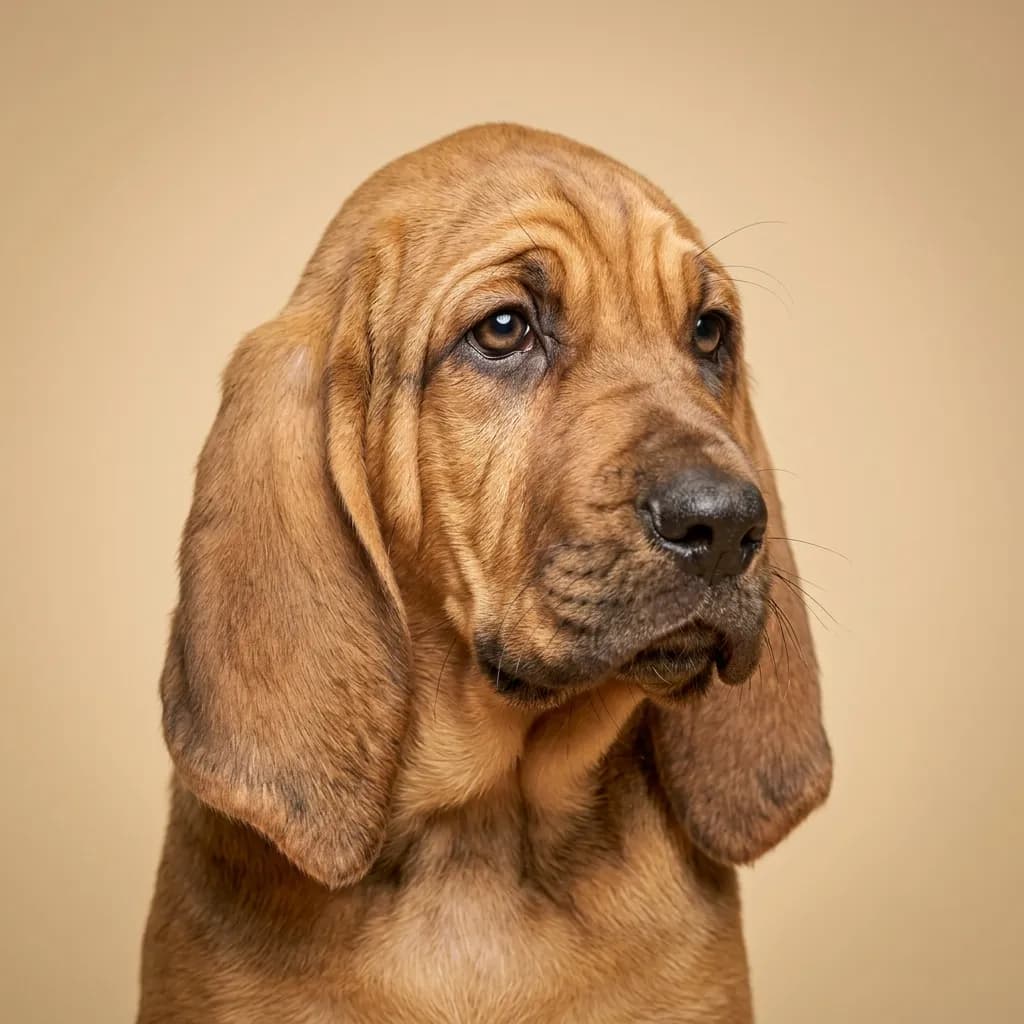
People usually compare Basenjis and Bloodhounds because they’re both hounds with big personalities, and they both top the charts for stubbornness and scent obsession. But that’s where the similarities end. One’s a sleek, silent athlete built for darting through African brush. The other’s a droopy, loud, ground-sniffing bloodhound built to track fugitives across counties. If you’re drawn to the Basenji, you’re probably an active person who values cleanliness and quiet. They don’t bark. ever. but they’ll yodel or howl if annoyed. They’re catlike, aloof, and won’t fetch your slippers just because you ask. But if you live in an apartment and have allergies, their short coat and low shedding make them a rare hound you can actually keep in the city. Just don’t leave them unattended with a hamster. their prey drive is no joke. The Bloodhound is the opposite. You’ll hear them before you see them. deep baying that carries for miles. They’re gentle and affectionate, but once they catch a scent, good luck calling them back. They need space, a solid fence, and someone who understands that training a Bloodhound is less about obedience and more about negotiation. They’re not apartment-friendly; they’re yard dogs, trail dogs, dogs that’ll follow a trail through mud and rain for hours. Here’s the thing most people don’t realize: both breeds are independent, but for different reasons. The Basenji operates like a solo agent. The Bloodhound isn’t ignoring you. he’s just genuinely distracted by a scent you can’t even detect. If you want a dog that’s always tuned in, neither will fit. But if you appreciate a dog with a mind of his own and the skills to back it up, pick your flavor of stubborn. City-sleek and silent? Go Basenji. Country-sized and loud? Bloodhound’s your hound.
Trait-by-trait
Higher bar = more of that trait. Shedding, barking, drooling, grooming flipped for readability.Where they diverge
Choose the Basenji if…
- Apartments
- Experienced owners
- Allergy sufferers
- You value watchdog / protective — Basenji scores noticeably higher.
Choose the Bloodhound if…
- Active people
- Rural homes
- Hunters
- You value drooling level — Bloodhound scores higher here.