Basenji vs Bluetick Coonhound
Side-by-side comparison across all 14 AKC trait ratings, with a clear verdict on which breed fits which kind of household.
Not sure which breed fits your life?
Answer five questions about your home, your schedule, and your tolerance for shedding. We’ll match you to your top three breeds from over 200.
Basenji vs Bluetick Coonhound
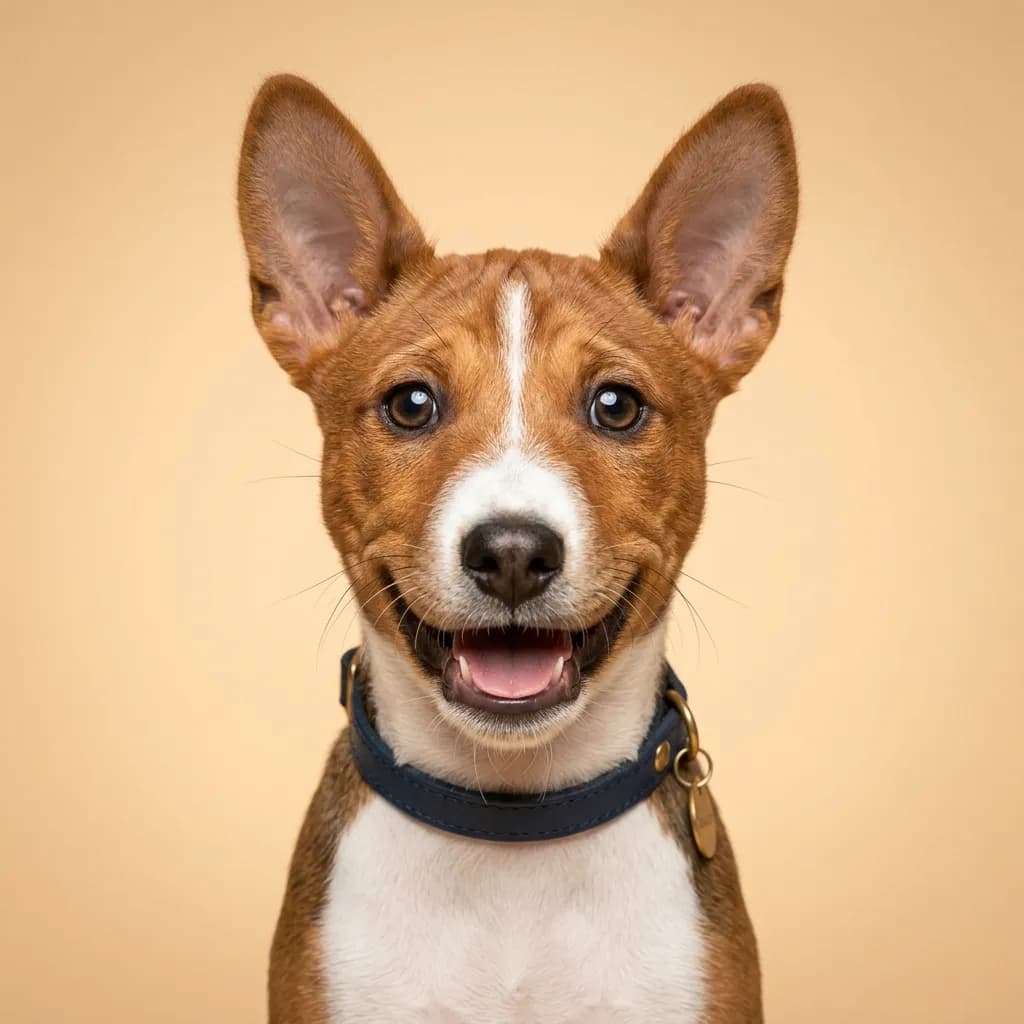
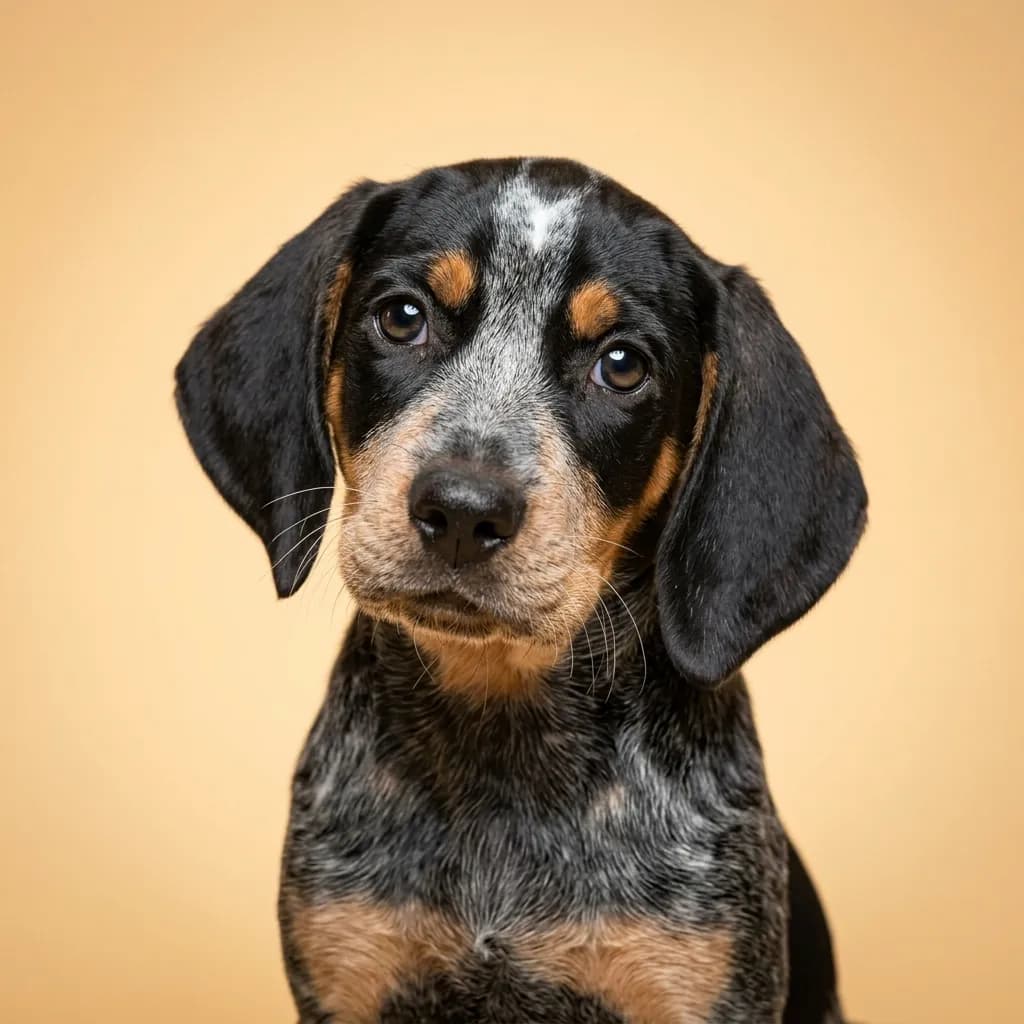
People compare Basenjis and Bluetick Coonhounds because both are sleek, striking hounds with independent streaks and serious energy. On the surface, they seem like options for active owners wanting a dog with drive and personality. But behind the shared "hound" label are two entirely different worlds. The Basenji is like a cat in a dog suit. He’s small, clean, and quiet. not because he’s shy, but because he literally doesn’t bark. Instead, he yodels. He’s intense, clever, and will outthink you if you’re not sharp. This isn’t a dog that follows commands for the joy of pleasing you. He’ll do it if it makes sense to him. You need experience to handle that kind of mind. He’s great in an apartment if you run him hard, and his minimal shedding helps with allergies. But he won’t live for kids or cats. his prey drive is too high, and his independence reads as aloofness. The Bluetick, meanwhile, is a full-throated, full-speed hunting machine. Bred to bay up a tree line for hours, he’s loud, persistent, and driven by scent. If the Basenji is a stealthy operative, the Bluetick is a pickup truck with ears. He’s more trainable than most hounds, but “more” doesn’t mean “easy.” You’ll need space, a secure yard, and tolerance for nightly serenades. He’s affectionate in his own way, thrives with other dogs, and bonds deeply with his person. Here’s the real difference: the Basenji demands mental mastery. The Bluetick demands environmental control. Pick the Basenji if you want a challenging companion who keeps you on your toes. Pick the Bluetick if you hunt, live rurally, and don’t mind a dog who sounds like a pack. Neither is for beginners. But get it right, and both are unforgettable.
Trait-by-trait
Higher bar = more of that trait. Shedding, barking, drooling, grooming flipped for readability.Where they diverge
Choose the Basenji if…
- Apartments
- Experienced owners
- Allergy sufferers
- You value watchdog / protective — Basenji scores noticeably higher.
Choose the Bluetick Coonhound if…
- Active people
- Hunters
- Rural homes
- You value barking level — Bluetick Coonhound scores higher here.