Basenji vs Chesapeake Bay Retriever
Side-by-side comparison across all 14 AKC trait ratings, with a clear verdict on which breed fits which kind of household.
Not sure which breed fits your life?
Answer five questions about your home, your schedule, and your tolerance for shedding. We’ll match you to your top three breeds from over 200.
Basenji vs Chesapeake Bay Retriever
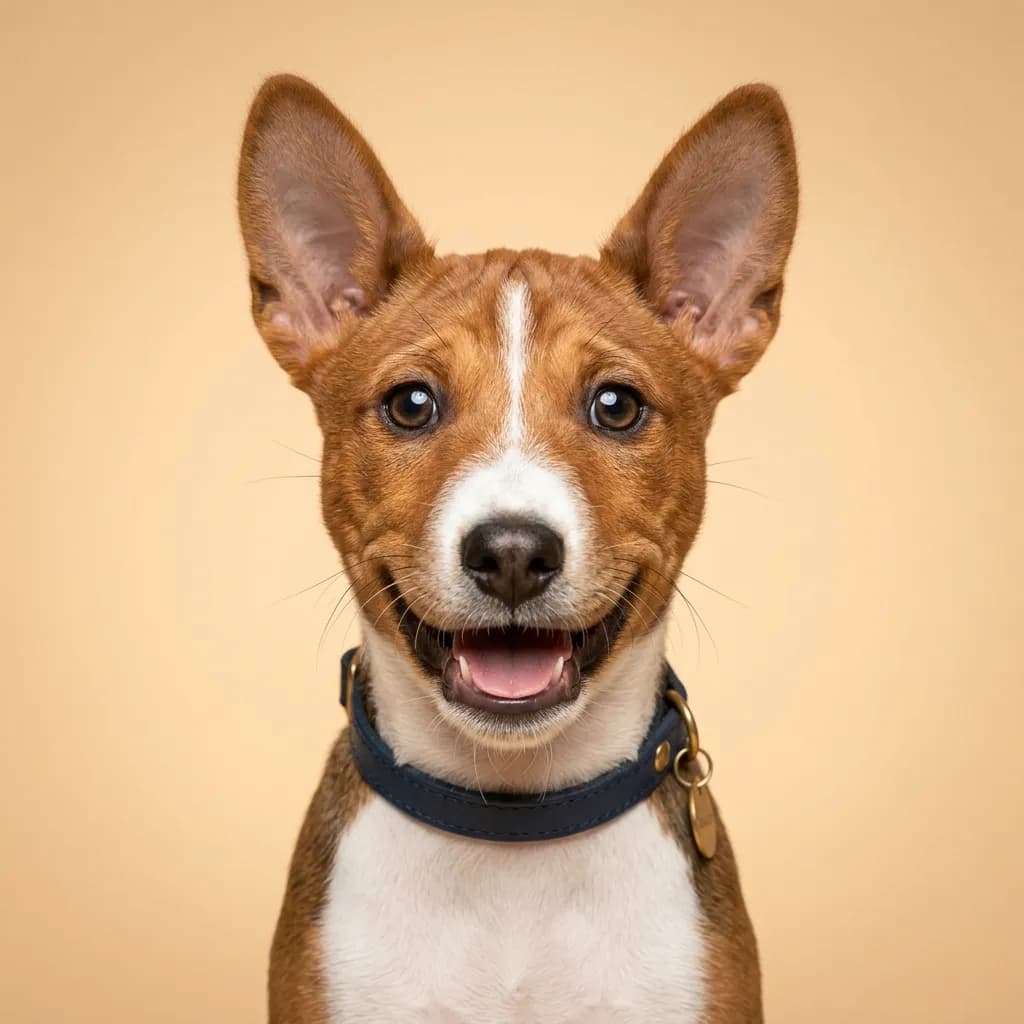
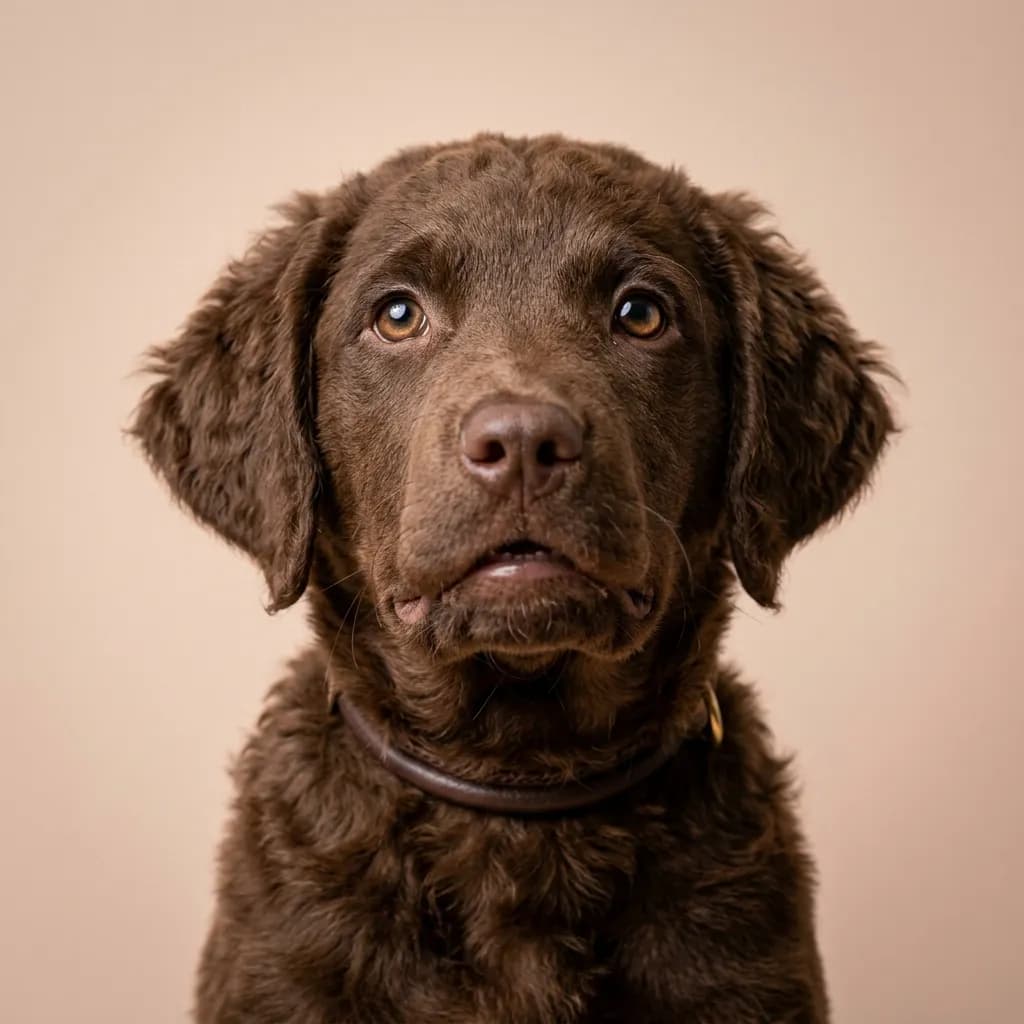
People compare Basenjis and Chesapeake Bay Retrievers because both are independent, active, and low-shedding in their own ways but that’s where the similarity ends. You’re not just picking a dog here, you’re choosing a lifestyle. The Basenji is a sleek, elegant hunter from Central Africa that thrives on routine, mental puzzles, and quiet control. It won’t bark. more likely it’ll yodel or stay silent while plotting its next escape. Don’t be fooled by the cat-like grooming or compact size. This dog needs experienced hands. It’s smart but stubborn, affectionate on its own terms, and can vanish into the woods if given half a chance. Apartment living? Possible, if you’re out running trails every morning. But good luck with squirrels, cats, or a toddler underfoot. The Chessie is the opposite kind of challenge. Built like a tank with a waterproof coat and a heart for work, it’s a devoted, sensitive companion bred to power through icy waves. It’s eager to please, trainable, and deeply bonded to its family. But it’s big. really big. and needs space, cold weather, and a job. If you’re not hunting, hiking, or at least throwing balls in a lake, it’ll find its own ways to stay busy, probably involving your couch. Here’s the thing no one tells you: the Basenji isn’t quiet because it’s calm. It’s quiet because it’s calculating. The Chessie isn’t loud because it’s excitable. it’s barking to communicate. Choose the Basenji if you want a graceful, challenging companion that tests your skills. Choose the Chessie if you want a loyal, working partner who’ll sleep at your feet after a long day in the rain. One’s a silent philosopher, the other’s a wet, muddy poet. Pick your favorite.
Trait-by-trait
Higher bar = more of that trait. Shedding, barking, drooling, grooming flipped for readability.Where they diverge
Choose the Basenji if…
- Apartments
- Experienced owners
- Allergy sufferers
Choose the Chesapeake Bay Retriever if…
- Active families
- Hunters and waterfowlers
- Cold and wet climate owners
- You value trainability — Chesapeake Bay Retriever scores higher here.