Basenji vs Irish Wolfhound
Side-by-side comparison across all 14 AKC trait ratings, with a clear verdict on which breed fits which kind of household.

Not sure which breed fits your life?
Answer five questions about your home, your schedule, and your tolerance for shedding. We’ll match you to your top three breeds from over 200.
Basenji vs Irish Wolfhound
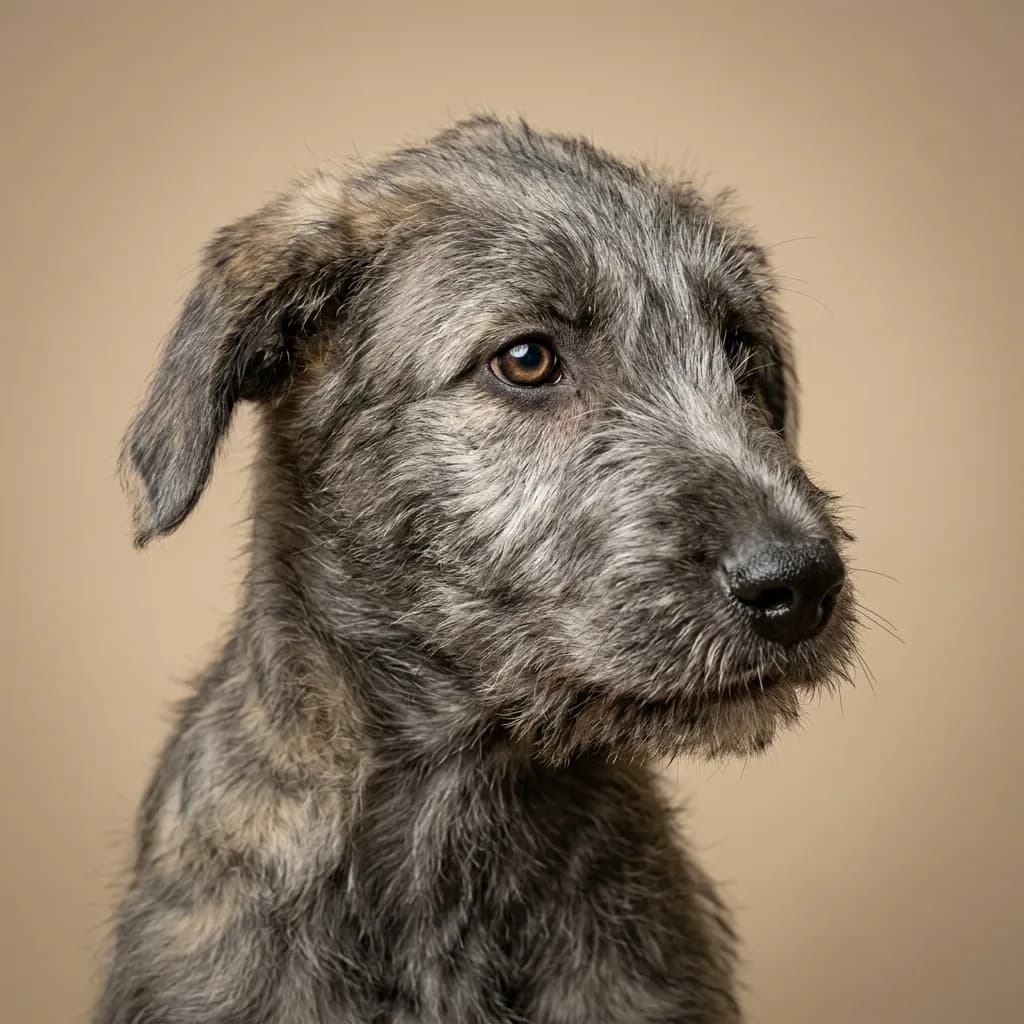
People compare Basenjis and Irish Wolfhounds because both are striking, ancient hounds with quiet reputations. no surprise when you’re weighing a dog the size of a dining chair against one that fits in a carry-on. But their similarities end at “doesn’t bark.” These two are built for entirely different lives, and choosing between them isn’t about preference alone, it’s about lifestyle reality. The Basenji is a compact, intense athlete from central Africa, bred to weave through dense brush and bolt after game. You’ll need space for mental puzzles and secure fencing. this dog won’t come when called, not out of malice, but because curiosity trumps obedience. They’re clean, low-shedding, and surprisingly apartment-friendly if you’re home often and up for daily mental marathons. But they’re not cuddly. Affection comes on their terms, and kids under eight might as well be unpredictable weather. The Irish Wolfhound? A gentle giant with a lifespan that breaks your heart. 6 to 8 years, if you’re lucky. They’re calm indoors, deeply affectionate, and will tolerate a toddler tugging their beard because they see it as duty, not joy. But their size means vet bills are frequent and costly. bloat, cancer, heart issues aren’t just risks, they’re likely. You need space, yes, but more importantly, you need emotional and financial readiness for a short, intense love affair. Here’s the real talk: the Basenji isn’t quiet because it’s calm. it’s quiet because it’s plotting. The Wolfhound isn’t quiet because it’s aloof. it’s quiet because it’s a dignified soul who’s seen things. Pick the Basenji if you want a feline genius who tolerates you. Pick the Wolfhound if you’re ready to love deeply and say goodbye too soon.
Trait-by-trait
Higher bar = more of that trait. Shedding, barking, drooling, grooming flipped for readability.Where they diverge
Choose the Basenji if…
- Apartments
- Experienced owners
- Allergy sufferers
- You value energy level — Basenji scores noticeably higher.
Choose the Irish Wolfhound if…
- Families with space
- Gentle companion seekers
- Owners with large homes
- You value affectionate w/ family — Irish Wolfhound scores higher here.