Irish Wolfhound vs Tosa
Side-by-side comparison across all 14 AKC trait ratings, with a clear verdict on which breed fits which kind of household.

Not sure which breed fits your life?
Answer five questions about your home, your schedule, and your tolerance for shedding. We’ll match you to your top three breeds from over 200.
Irish Wolfhound vs Tosa
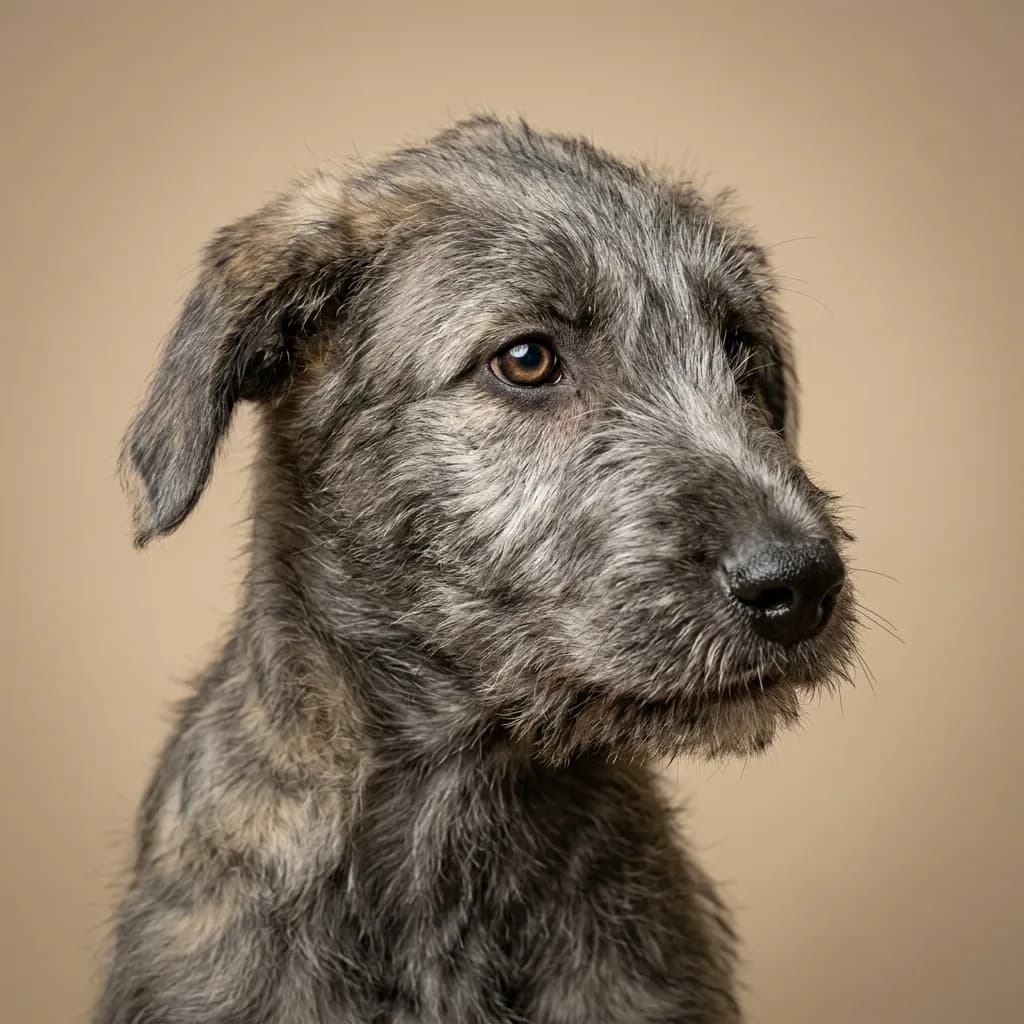
People compare the Irish Wolfhound and Tosa because they’re both massive, imposing dogs with calm exteriors and deep loyalty. At first glance, they seem like two sides of the same coin. giant breeds that move quietly through the world. But if you’re standing in your driveway trying to decide which one to bring home, the differences hit fast and hard. The Irish Wolfhound is the gentle giant of the open field. Bred to hunt wolves in ancient Ireland, it carries that noble history in its posture. tall, dignified, and surprisingly soft. It won’t bark much, loves to lean against you like a furry skyscraper, and melts around respectful kids. But its lifespan is heartbreakingly short, 6 to 8 years, and vet bills add up fast with risks like bloat and bone cancer. You need space, time, and a willingness to say goodbye too soon. The Tosa, meanwhile, is a fortress in dog form. Smaller in height but potentially heavier. up to 200 pounds. it was bred for dog fighting in Japan, a past that means it demands experienced handling. It’s not aggressive by nature, but it’s intensely vigilant and can be wary of strangers. It adapts poorly to city life and is banned in some areas, so check your local laws before falling in love. Here’s the truth beyond the data: both dogs are calm, but for different reasons. The Wolfhound is calm like a wise elder. The Tosa is calm like a bodyguard who’s always on duty. If you want a fleeting, beautiful bond with a dog that lives large and leaves too early, go Wolfhound. If you want a powerful, loyal presence and have the experience to handle it, the Tosa could be your shadow. Just don’t pick either if you’re not ready for a dog that takes up more than just space. it takes over your life.
Trait-by-trait
Higher bar = more of that trait. Shedding, barking, drooling, grooming flipped for readability.Where they diverge
Choose the Irish Wolfhound if…
- Families with space
- Gentle companion seekers
- Owners with large homes
- You value good with other dogs — Irish Wolfhound scores noticeably higher.
Choose the Tosa if…
- very experienced large-breed owners
- homes with secure property
- owners seeking a calm giant breed companion
- You value barking level — Tosa scores higher here.