Basset Fauve de Bretagne vs Bloodhound
Side-by-side comparison across all 14 AKC trait ratings, with a clear verdict on which breed fits which kind of household.
Not sure which breed fits your life?
Answer five questions about your home, your schedule, and your tolerance for shedding. We’ll match you to your top three breeds from over 200.
Basset Fauve de Bretagne vs Bloodhound
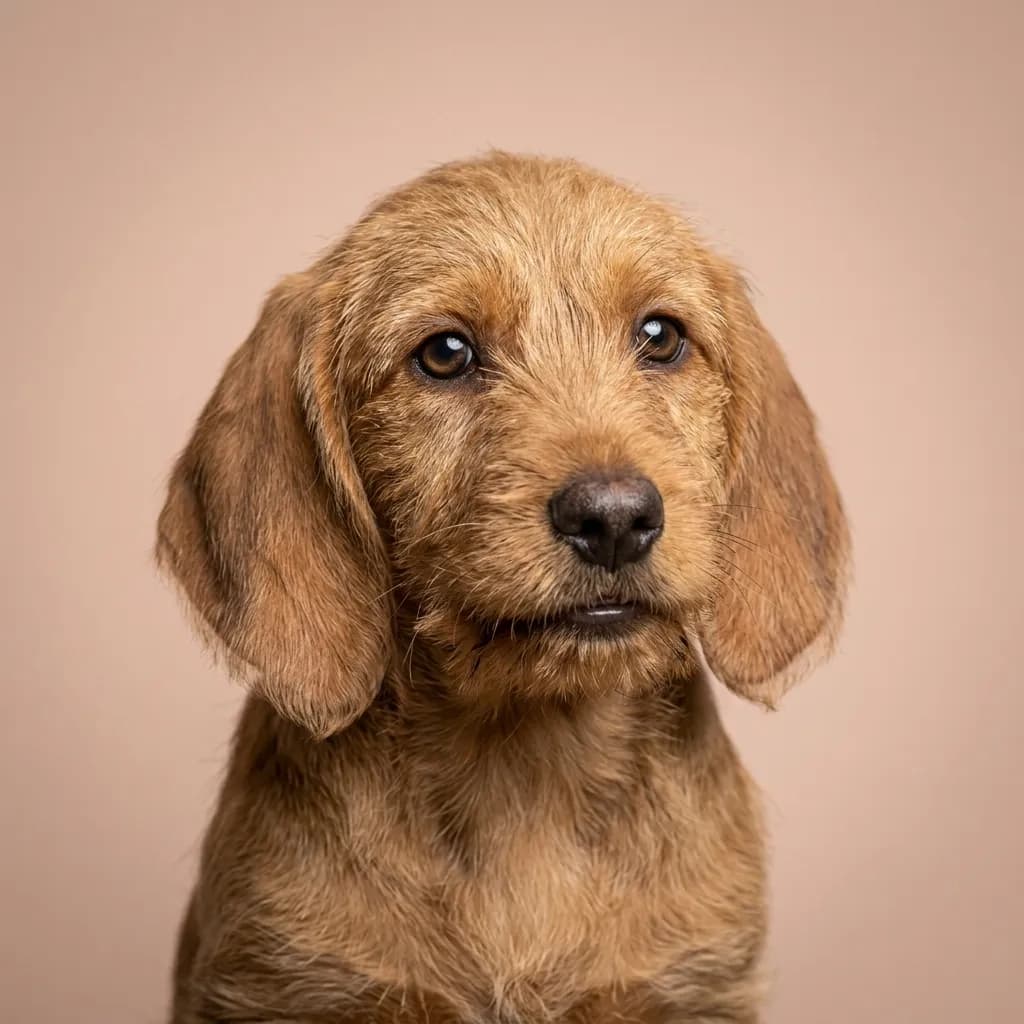
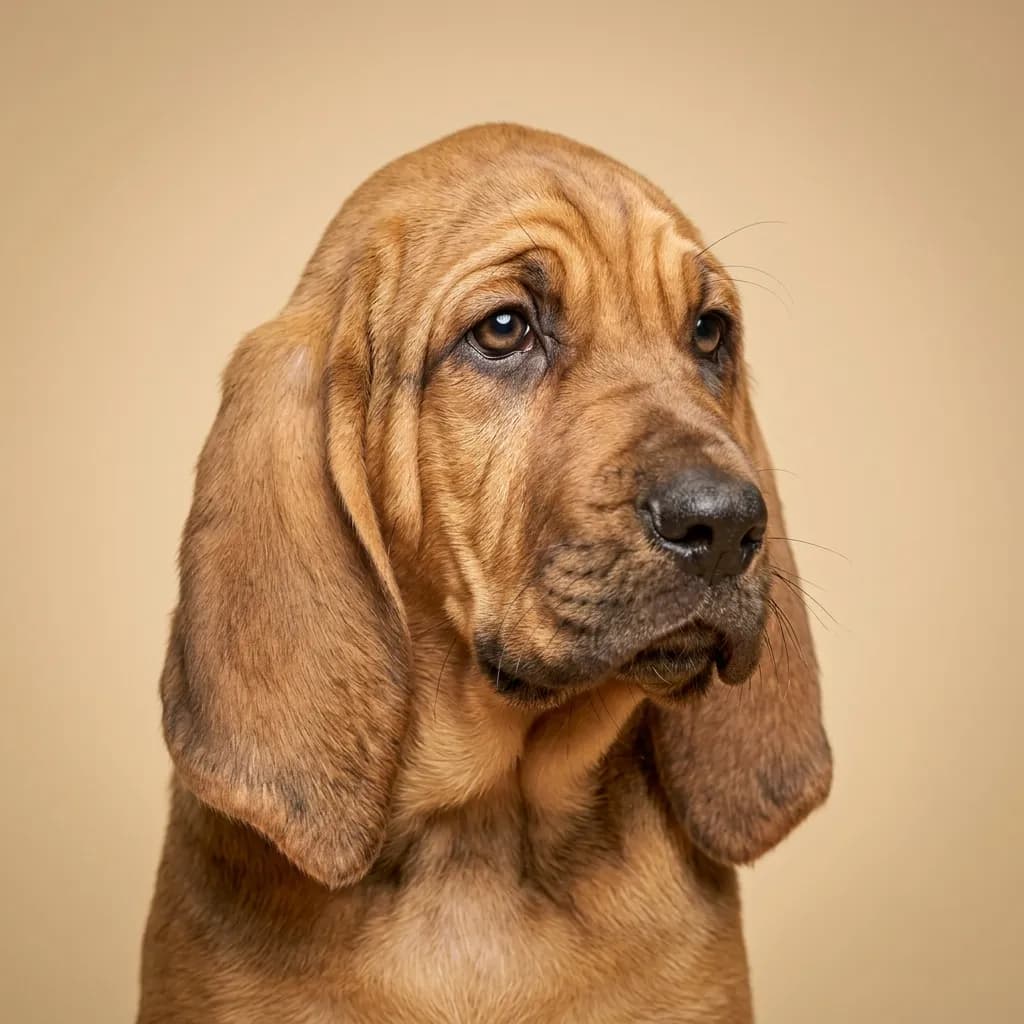
People compare the Basset Fauve de Bretagne and the Bloodhound because both are scenthounds with that unmistakable floppy-eared, determined look. They track with purpose and bring big personalities in wriggly or lumbering packages. But choosing between them isn’t about subtle differences. it’s about lifestyle collision. The Basset Fauve is the spirited little dynamo you didn’t know you needed. At 30 pounds and just over a foot tall, he’s built for darting through thickets, not your couch. He’s cheerful, loud, and stubborn in the way only small terrier-type hounds can be. You’ll love his grit and devotion, but don’t expect quiet evenings; this dog barks when excited, bored, or just because. He’s great with kids, adapts well to suburban life, and thrives with active owners who’ll give him jobs. like tracking games or nose work. The Bloodhound is another beast entirely. At 100+ pounds, he’s built like a tank with ears like sails. He’s not hyper, but his nose rules his brain. Once he catches a scent, he’s gone. pulling hard, ignoring recall, and following trails for miles. He’s friendly and deeply affectionate, but not always responsive. He needs space, a secure fence, and someone who understands that training a Bloodhound is a long, patient game. Here’s the truth beyond the numbers: both dogs drool, snore, and need ear care. But the Basset Fauve will wear you out with energy and noise; the Bloodhound will wear you out with sheer determination and logistics. Pick the Fauve if you want a compact, lively family hound who’ll join hikes and backyard fun. Choose the Bloodhound only if you’ve got space, time, and the commitment to manage a giant dog with a mind of his own. And either way? Invest in a great leash. You’ll need it.
Trait-by-trait
Higher bar = more of that trait. Shedding, barking, drooling, grooming flipped for readability.Where they diverge
Choose the Basset Fauve de Bretagne if…
- Families
- Active people
- Suburban homes
- You value good with young children — Basset Fauve de Bretagne scores noticeably higher.
Choose the Bloodhound if…
- Active people
- Rural homes
- Hunters
- You value drooling level — Bloodhound scores higher here.