Basset Hound vs Papillon
Side-by-side comparison across all 14 AKC trait ratings, with a clear verdict on which breed fits which kind of household.

Not sure which breed fits your life?
Answer five questions about your home, your schedule, and your tolerance for shedding. We’ll match you to your top three breeds from over 200.
Basset Hound vs Papillon
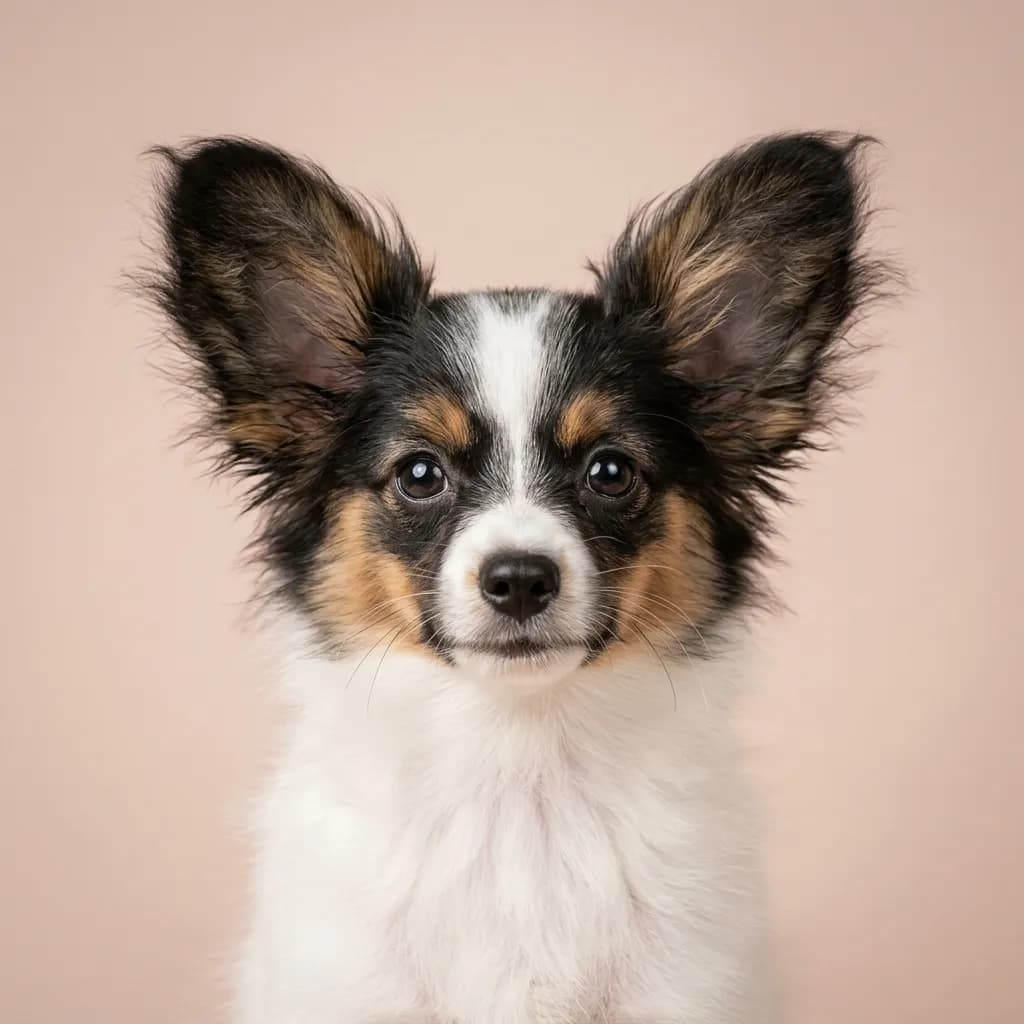
People compare Basset Hounds and Papillons because both are low to the ground, big-eared, and undeniably charming in their own ways. But beyond the floppy ears and family-friendly ratings, they’re practically opposites. like comparing a couch-loving uncle to a caffeinated cheerleader. Choosing between them isn’t about looks. It’s about rhythm. How fast does your life move, and how much chaos can you tolerate? The Basset Hound is the chill buddy who’s always down for a slow stroll and a nap. They’re heavy, built like a low-slung tank, and happiest when they’re following a scent trail in the backyard at a snail’s pace. They’ll adore your kids, get along with other pets, and won’t demand much beyond food and affection. though watch that weight. They bark when they want something, usually food or attention, and training takes patience. They’re not stubborn, just… thoughtful. And yes, you’ll clean ears weekly. The Papillon is a firecracker in a fancy coat. Light as a feather but wired like a terrier, they thrive on puzzles, tricks, agility, and being involved in everything you do. They’re fearless, clever, and will ring the alarm at a leaf blowing past the window. They bond fiercely, adapt to apartments or houses, and learn commands in minutes. But they need engagement. mentally and emotionally. Ignore them, and they’ll find ways to entertain themselves, usually involving your shoes. Here’s the real talk: The Basset looks like a cuddler but has the independence of a hound. The Papillon looks delicate but has the drive of a working dog. If you want a pet who adds calm, go Basset. If you want a partner in daily activity and brain games, choose Papillon. Your lifestyle isn’t just a factor here. it’s the deciding vote.
Trait-by-trait
Higher bar = more of that trait. Shedding, barking, drooling, grooming flipped for readability.Where they diverge
Choose the Basset Hound if…
- Families
- Apartment dwellers
- Seniors
- You value drooling level — Basset Hound scores noticeably higher.
Choose the Papillon if…
- Apartment living
- Active owners
- Families with older children
- You value affectionate w/ family — Papillon scores higher here.