Beagle vs Swedish Lapphund
Side-by-side comparison across all 14 AKC trait ratings, with a clear verdict on which breed fits which kind of household.

Not sure which breed fits your life?
Answer five questions about your home, your schedule, and your tolerance for shedding. We’ll match you to your top three breeds from over 200.
Beagle vs Swedish Lapphund
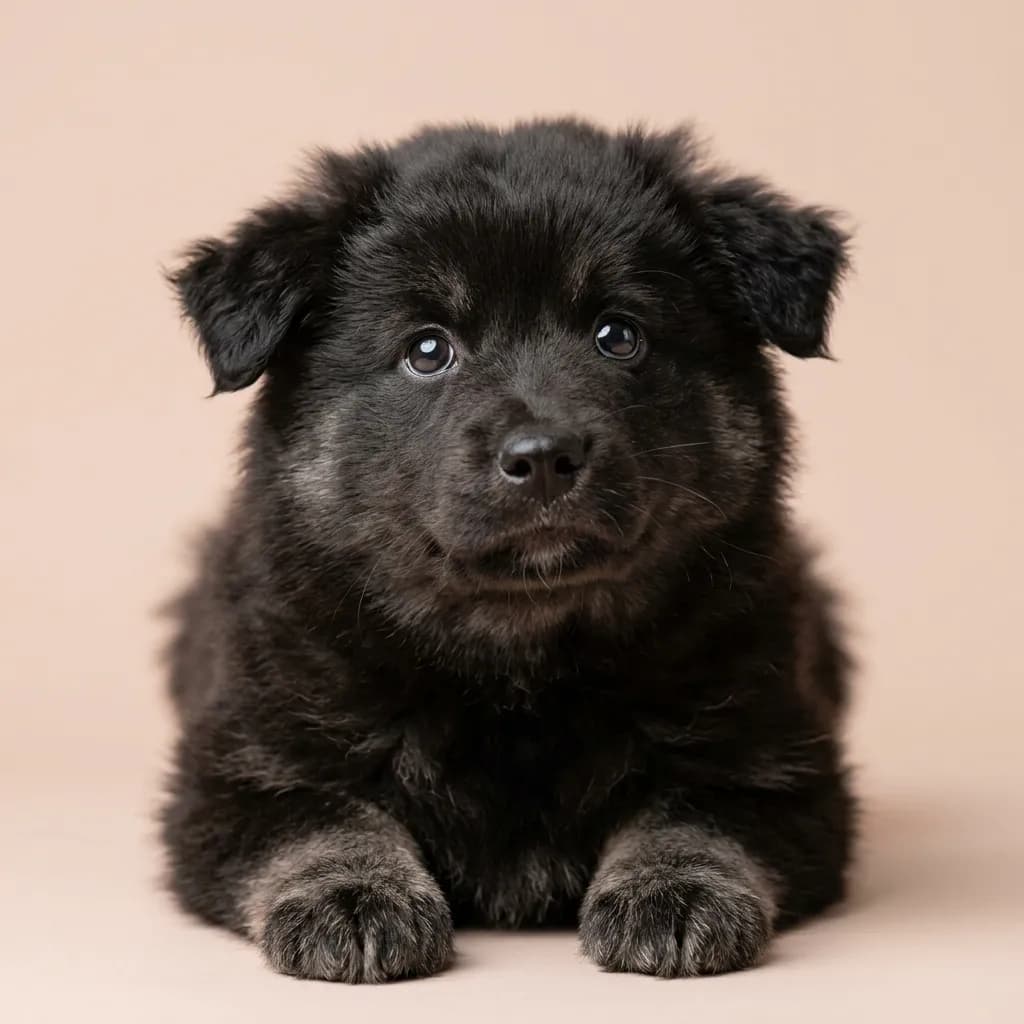
People compare Beagles and Swedish Lapphunds because they’re both medium-sized, energetic dogs with a nose for adventure and a habit of making noise. But that’s where the similarities end. If you’re torn between them, you’re really choosing between a family-friendly scent hound with a one-track mind and a sharp, affectionate northern breed built for partnership. Beagles are the social butterflies of the dog world. They’ll greet your kids, your neighbors, and the mail carrier like long-lost friends. They’re adaptable, easygoing with other pets, and thrive in suburban homes with a yard to sniff. But don’t be fooled by their compact size. That nose runs the show. If a squirrel crosses the wind, your Beagle’s gone. off-leash reliability is a myth. And yes, they bark. A lot. Their energy and curiosity demand daily mental work, not just walks. The Swedish Lapphund is a different beast entirely. Bred to work closely with the Sami herding reindeer in Arctic conditions, this dog bonds deeply with its people and craves purpose. They’re more trainable, more intense, and far more vocal in a watchful way. Think alert bark at the mail, then again when the wind shifts. They’re not built for heat or couch life. You’ll need cold weather, outdoor space, and time for training or dog sports. Here’s the real talk: Beagles are happy companions who’ll fit into your life. Lapphunds want to reshape your life around them. If you want a dog that’s part of the family chaos, go Beagle. If you want a devoted co-pilot for an active, outdoorsy life in a cooler climate, the Lapphund could be magic. But don’t get one just because it’s rare and cute. this dog needs a job, or it’ll invent one for itself.
Trait-by-trait
Higher bar = more of that trait. Shedding, barking, drooling, grooming flipped for readability.Where they diverge
Choose the Beagle if…
- Families
- First-time owners
- Suburban homes
- You value good with young children — Beagle scores noticeably higher.
Choose the Swedish Lapphund if…
- Active families
- Cold climate households
- Dog sports enthusiasts
- You value affectionate w/ family — Swedish Lapphund scores higher here.