Belgian Laekenois vs Bloodhound
Side-by-side comparison across all 14 AKC trait ratings, with a clear verdict on which breed fits which kind of household.
Not sure which breed fits your life?
Answer five questions about your home, your schedule, and your tolerance for shedding. We’ll match you to your top three breeds from over 200.
Belgian Laekenois vs Bloodhound
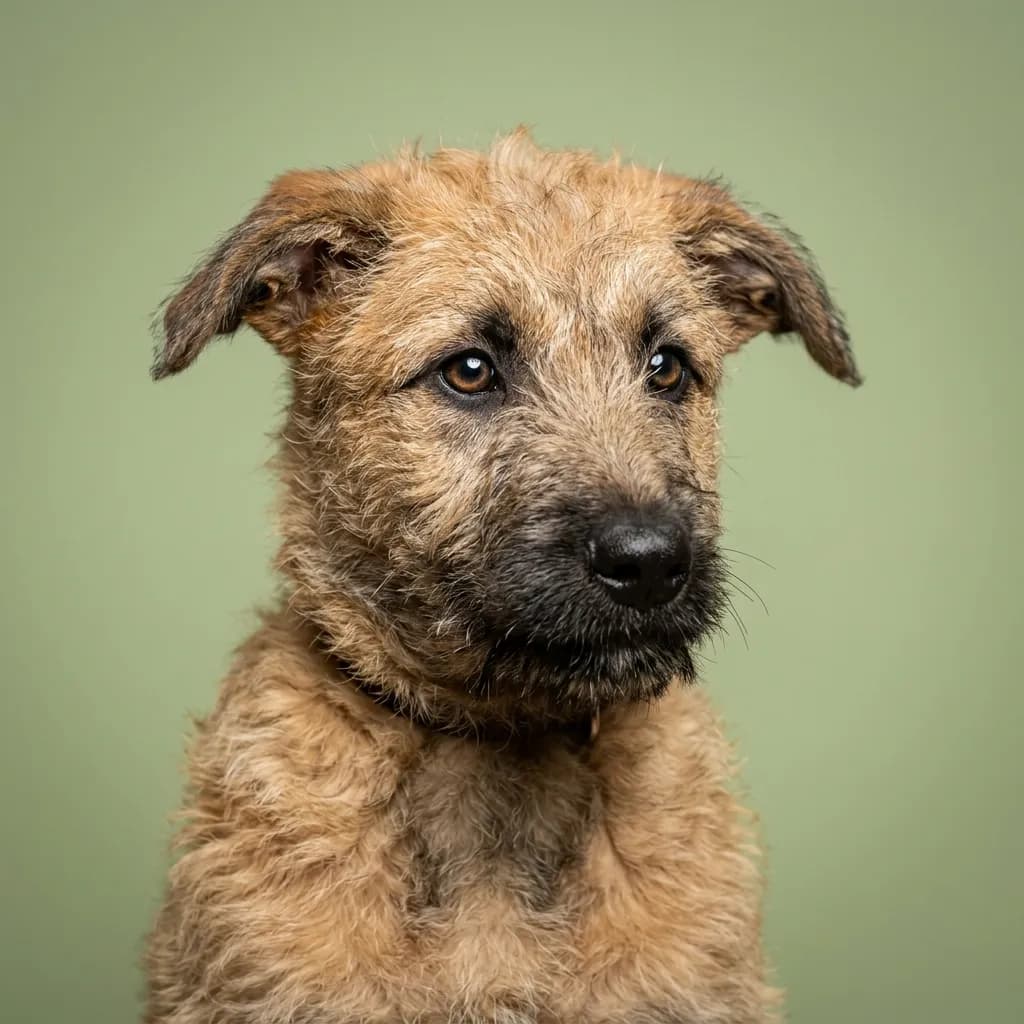
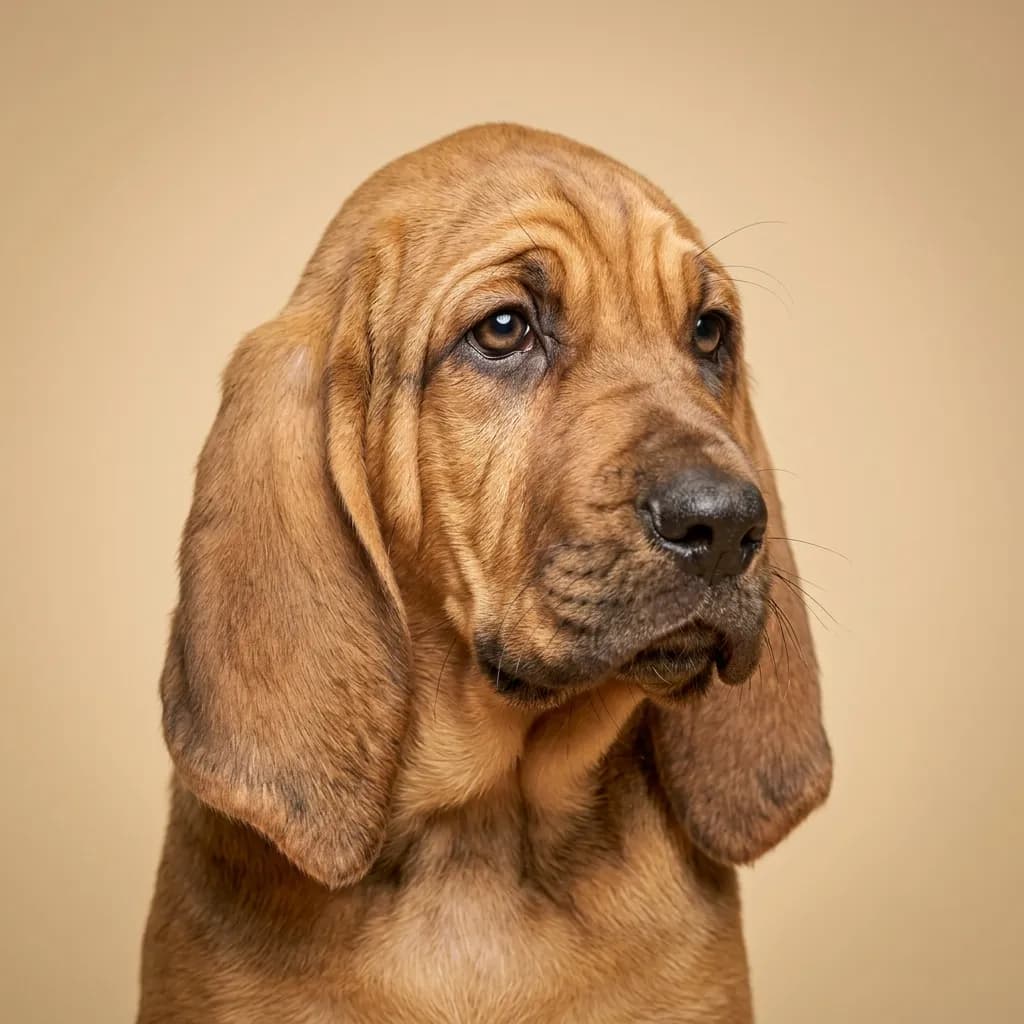
You don’t see Belgian Laekenois and Bloodhounds side by side at dog parks. mostly because you almost never see a Laekenois at all. So why compare them? Because both are rare, both are Belgian in origin, and both look like working dogs with something to prove. But that’s where the story splits. The Laekenois is the thinker, the co-pilot. At 60 pounds of wiry-coated intensity, this dog lives for jobs and connection. If you’re into dog sports, advanced training, or just want a shadow that thrives on problem-solving, the Laekenois will meet you at the starting line. It's not just smart. it craves mental fuel. But it’s not for the faint of heart. This breed needs an owner who speaks dog fluently, someone who won’t wilt under its intensity or the commitment of managing its high drive. The Bloodhound is a different kind of mission specialist. Bigger, heavier, built like a tank with ears like sails, it’s not here to do tricks. It’s here to follow a scent. sometimes for miles, often ignoring you completely. That independence is the point. Bloodhounds are friendly and deeply affectionate with family, but they’re not always responsive. Call one in a field, and it might glance your way. then keep tracking. They’re more mellow at home but need space, a secure fence, and someone who accepts that they’ll bark when they want and drool on your shoes. Here’s the real talk: the Laekenois bonds like a Velcro dog and will stress in chaos. The Bloodhound will love you just as much. but it might not care if you’re in the next room. Choose the Laekenois if you want partnership. Choose the Bloodhound if you’re okay being the pit crew for a single-minded superstar.
Trait-by-trait
Higher bar = more of that trait. Shedding, barking, drooling, grooming flipped for readability.Where they diverge
Choose the Belgian Laekenois if…
- Experienced owners
- Active people
- Working roles
- You value watchdog / protective — Belgian Laekenois scores noticeably higher.
Choose the Bloodhound if…
- Active people
- Rural homes
- Hunters
- You value drooling level — Bloodhound scores higher here.