Belgian Laekenois vs Pumi
Side-by-side comparison across all 14 AKC trait ratings, with a clear verdict on which breed fits which kind of household.

Not sure which breed fits your life?
Answer five questions about your home, your schedule, and your tolerance for shedding. We’ll match you to your top three breeds from over 200.
Belgian Laekenois vs Pumi
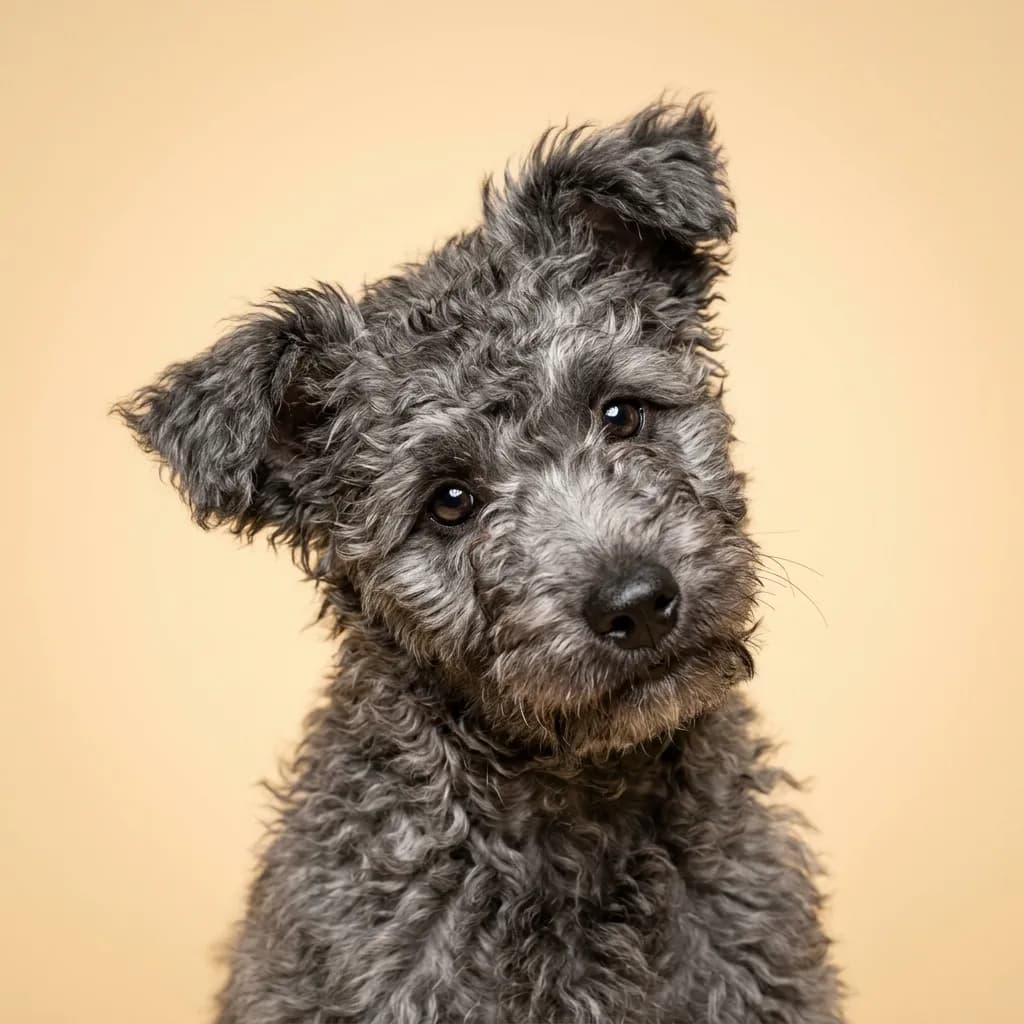
You don’t see Belgian Laekenoises and Pumis at weekend dog parks, so if you’re even considering both, you’ve already done some digging. People compare them because they’re rare, wiry-coated herding breeds with intense eyes and even more intense work ethics. But beneath that scruffy charm, they’re built for different worlds. The Laekenois is the heavier, more reserved one. think 60 pounds of focused loyalty. It was bred to guard laundry drying in Belgian fields (yes, really), which means it’s alert, protective, and not overly social with strangers. It’s less flashy than the other Belgian shepherds but just as sharp. This dog needs a job, a big yard, and an owner who speaks fluent dog. It’s not for you if you want a couch buddy. The Pumi, barely 30 pounds with wild corkscrew curls and ears like satellite dishes, is pure kinetic energy. Bred to nip and yelp sheep into motion in Hungary, it’s got a motor that won’t quit. But here’s the surprise: despite its intensity, it adapts better to smaller spaces than the Laekenois. as long as you’re out the door for two hours a day without fail. And it bonds fiercely, almost velcro-style, with its person. Both are 5/5 on trainability and mental stimulation needs, so boredom will ruin either dog. But the real difference? The Laekenois is a stoic partner for serious handlers. working dogs, farmers, pros. The Pumi is the quirky, affectionate tornado for active families or dog-sport junkies who want a shadow that never tires. Here’s what no breeder sheet tells you: both breeds will rewire your life. But the Pumi will sing while it does it, and the Laekenois will just give you a look that says, “You’re behind on the program.” Choose based on which energy you can keep up with.
Trait-by-trait
Higher bar = more of that trait. Shedding, barking, drooling, grooming flipped for readability.Where they diverge
Choose the Belgian Laekenois if…
- Experienced owners
- Active people
- Working roles
- You value shedding level — Belgian Laekenois scores noticeably higher.
Choose the Pumi if…
- Active owners
- Dog sports enthusiasts
- Experienced herding breed owners
- You value affectionate w/ family — Pumi scores higher here.