Belgian Malinois vs Bloodhound
Side-by-side comparison across all 14 AKC trait ratings, with a clear verdict on which breed fits which kind of household.
Not sure which breed fits your life?
Answer five questions about your home, your schedule, and your tolerance for shedding. We’ll match you to your top three breeds from over 200.
Belgian Malinois vs Bloodhound
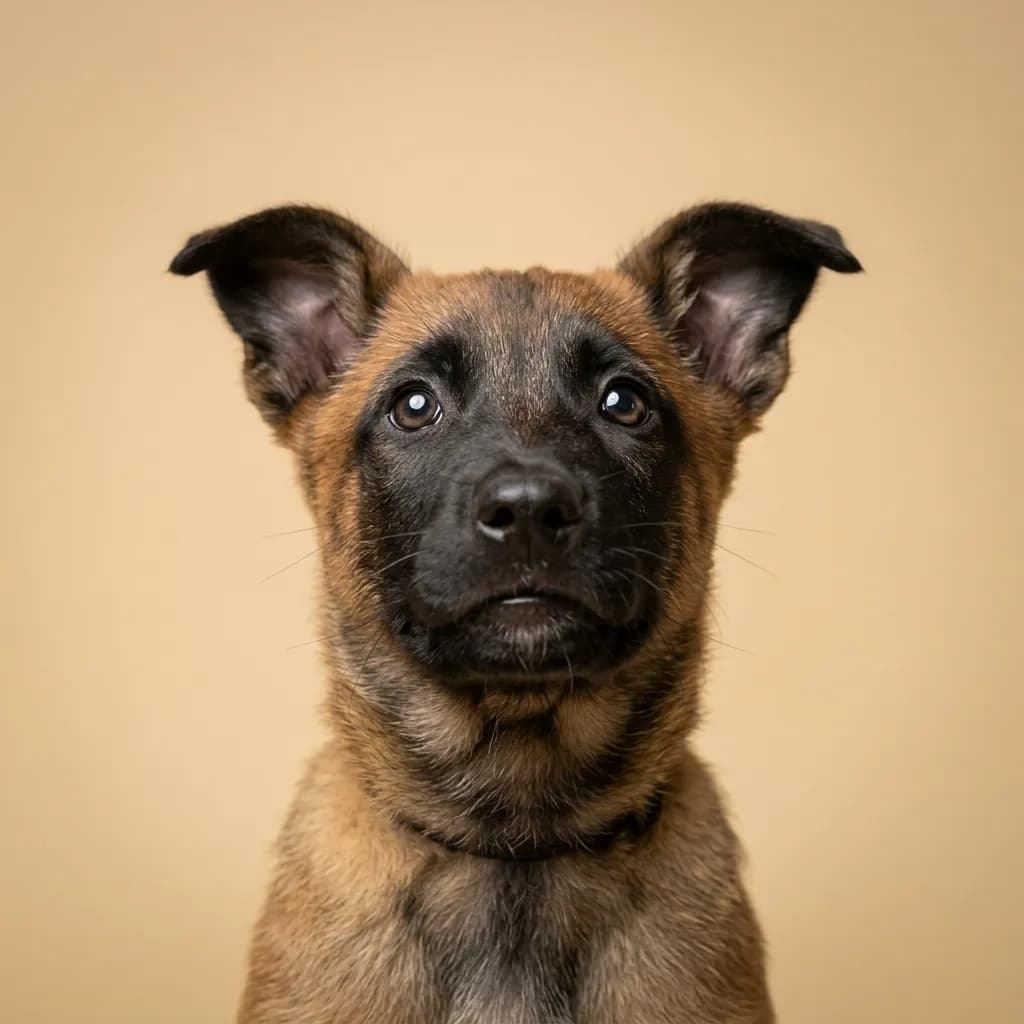
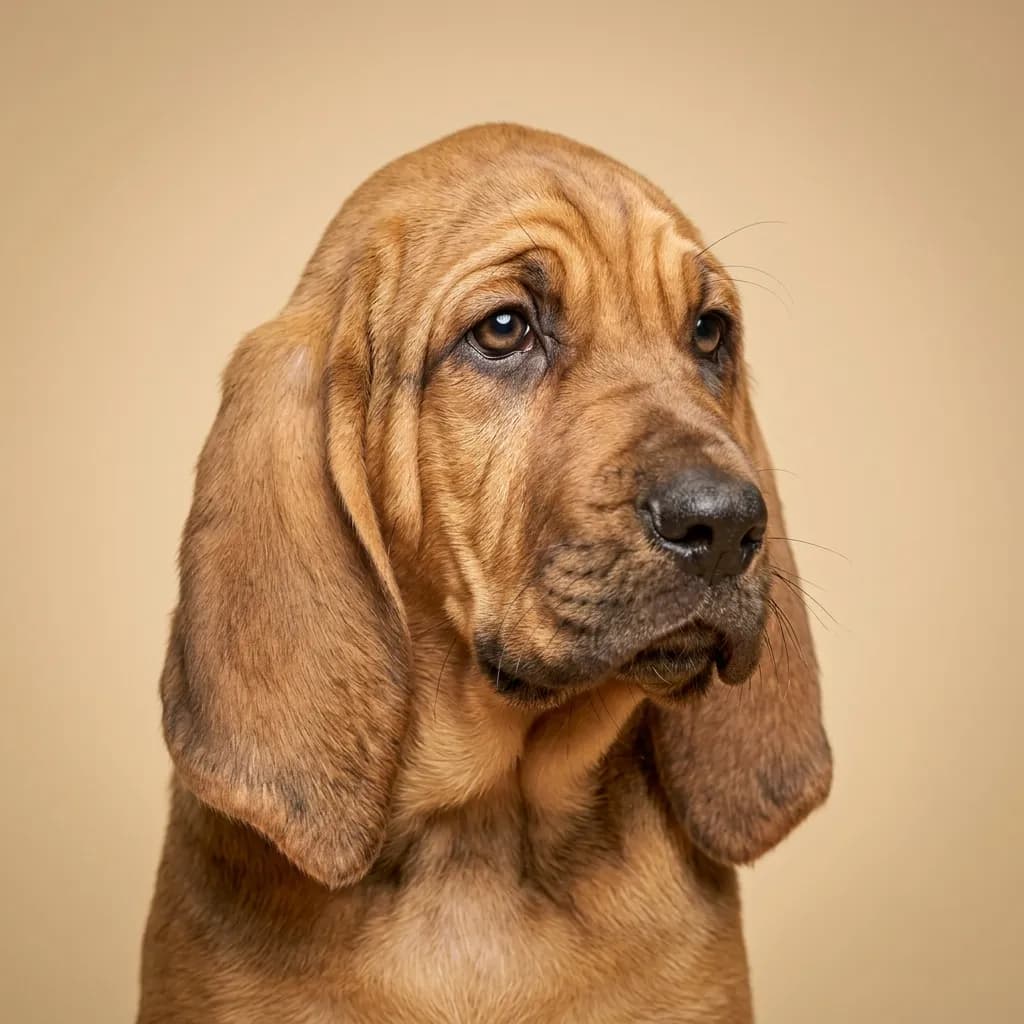
You wouldn’t think someone would compare a Belgian Malinois and a Bloodhound at first glance. one’s a lean, intense border guardian, the other a droopy-faced tracker built like a scent-seeking tank. But they do get compared, usually by people drawn to working dogs with serious jobs and strong wills. Both are intelligent, bred for high-stakes tasks, and demand experienced handling. That’s where the similarities end. The Malinois is all fire and focus. Think a border patrol agent in dog form. At 40 to 80 pounds, they’re agile, explosive, and need jobs that challenge them mentally and physically. Without that, they’ll redirect their energy into your baseboards or your nerves. They’re deeply loyal but not overly cuddly, and their 4/5 mental stimulation need means dog sports, training, or police work aren’t luxuries. they’re survival. The Bloodhound is a different kind of specialist. At 80 to 110 pounds, they’re built for scent, not speed. Their brains are hardwired to follow a trail, often ignoring commands once they’re on it. That independence makes them harder to manage off-leash than the obedient Malinois, even though they’re gentler and more affectionate. But their baying? It’s legendary. If your neighbors value quiet, this isn’t the dog. Choose the Malinois if you’re active, experienced, and want a partner in training or sport. Pick the Bloodhound if you’ve got space, patience, and appreciate a dog that thinks for itself. just don’t expect perfect recall in the woods. Here’s the real talk: neither of these dogs just lives with you. They take over your life. But if you’ve got the time and know-how, both will amaze you in ways a low-energy breed never could.
Trait-by-trait
Higher bar = more of that trait. Shedding, barking, drooling, grooming flipped for readability.Where they diverge
Choose the Belgian Malinois if…
- Experienced owners
- Active people
- Working roles (police/military)
- You value watchdog / protective — Belgian Malinois scores noticeably higher.
Choose the Bloodhound if…
- Active people
- Rural homes
- Hunters
- You value drooling level — Bloodhound scores higher here.