Belgian Malinois vs Chesapeake Bay Retriever
Side-by-side comparison across all 14 AKC trait ratings, with a clear verdict on which breed fits which kind of household.
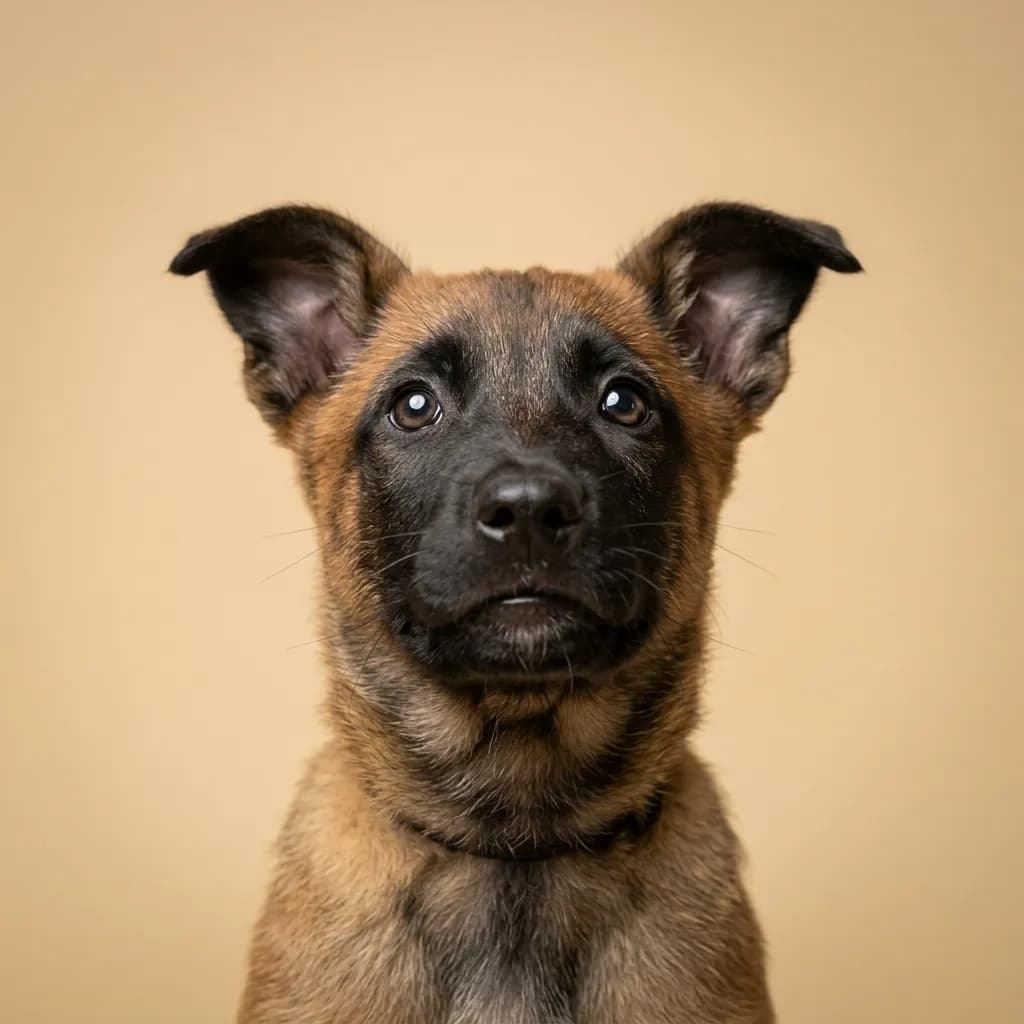
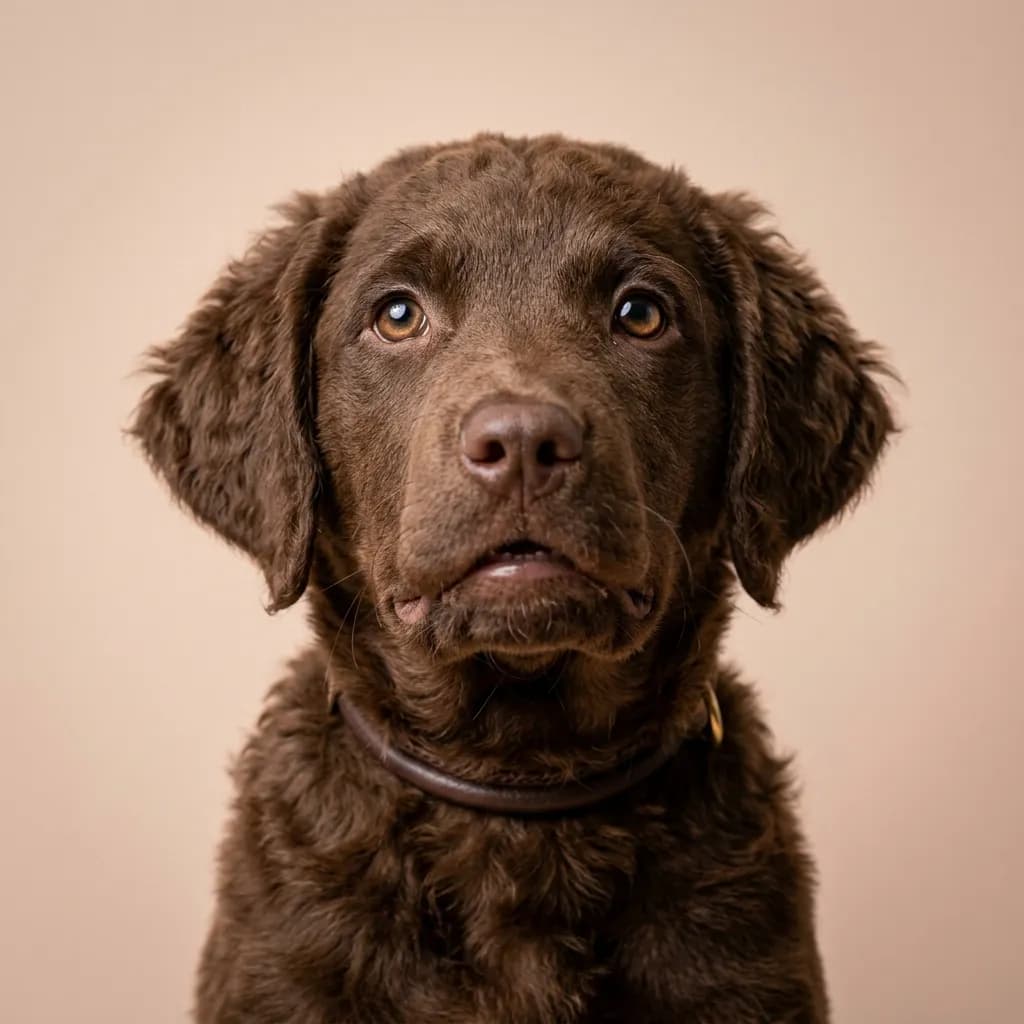
Not sure which breed fits your life?
Answer five questions about your home, your schedule, and your tolerance for shedding. We’ll match you to your top three breeds from over 200.
Belgian Malinois vs Chesapeake Bay Retriever
People compare Belgian Malinois and Chesapeake Bay Retrievers because both are athletic, intelligent dogs with intense drives and a look that commands attention. But that’s where the similarities end. These aren’t two paths to the same destination. they’re built for entirely different worlds. The Malinois lives to work. Think military, police, search and rescue. This dog will out-train you. It’s not enough to take it for a run or play fetch. It needs a job. every day. Without one, it’ll find its own, like dismantling your couch or shadowing your kids with hyper-vigilant intensity. It’s loyal, yes, but not in a cuddly way. It’s more like a tactical partner who happens to sleep on your floor. You need to be experienced, consistent, and ready to commit to hours of training and exercise. This isn’t a family pet in the traditional sense. The Chessie, on the other hand, is a powerhouse built for cold water and long days in the field. It’s still high-energy, but its drive is balanced with deep affection for its family. It’ll retrieve ducks from icy waves then come home to drape itself across your lap. It’s more adaptable. does best with a yard and outdoor access, but can settle indoors after a good workout. It’s protective, yes, but also goofy, sensitive, and surprisingly good with kids when raised properly. Here’s the real insight: the Malinois thrives on control, the Chessie thrives on connection. Pick the Malinois if you want a canine athlete that mirrors your discipline. Pick the Chessie if you want a rugged companion that still wants to be part of the pack. One demands mastery, the other offers loyalty with a side of slobber. Know which relationship you’re signing up for.
Trait-by-trait
Higher bar = more of that trait. Shedding, barking, drooling, grooming flipped for readability.Where they diverge
Choose the Belgian Malinois if…
- Experienced owners
- Active people
- Working roles (police/military)
Choose the Chesapeake Bay Retriever if…
- Active families
- Hunters and waterfowlers
- Cold and wet climate owners
- You value affectionate w/ family — Chesapeake Bay Retriever scores higher here.