Belgian Sheepdog vs Canaan Dog
Side-by-side comparison across all 14 AKC trait ratings, with a clear verdict on which breed fits which kind of household.

Not sure which breed fits your life?
Answer five questions about your home, your schedule, and your tolerance for shedding. We’ll match you to your top three breeds from over 200.
Belgian Sheepdog vs Canaan Dog
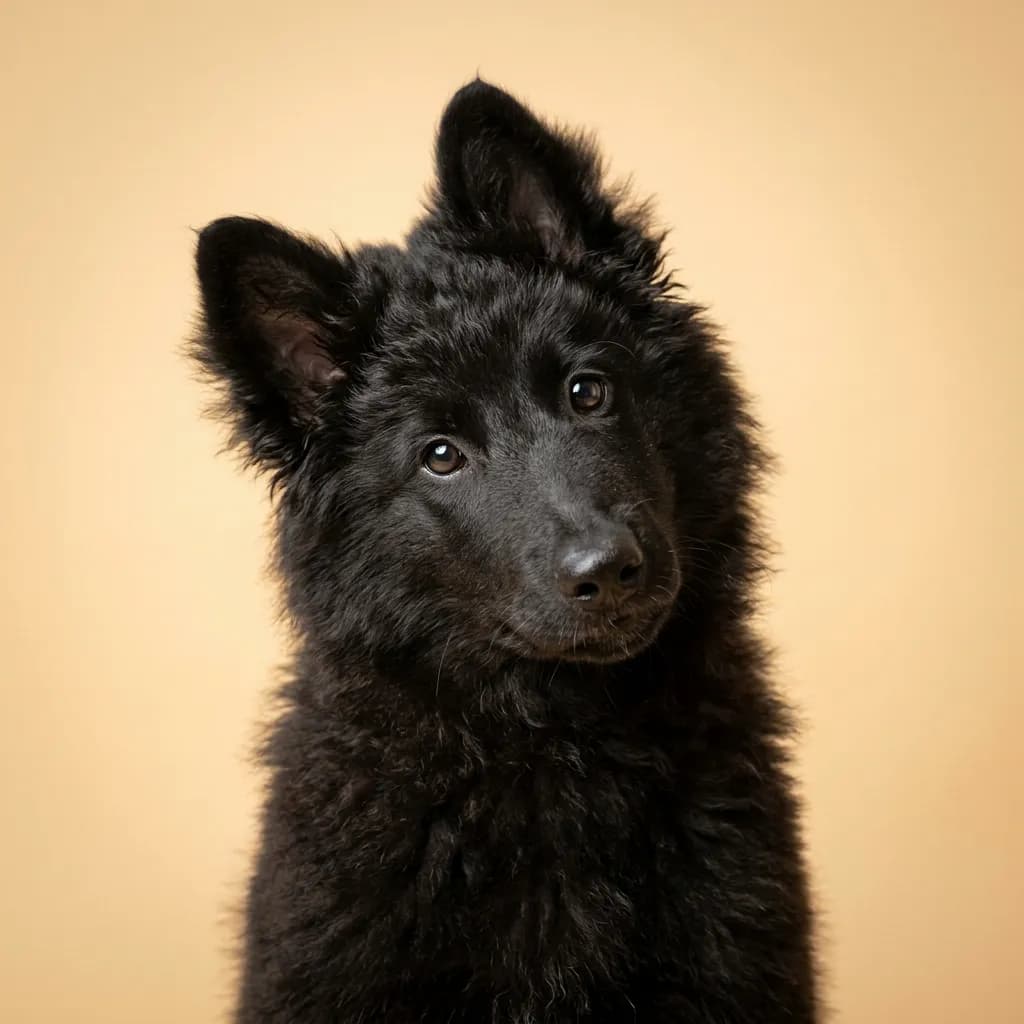
People compare the Belgian Sheepdog and the Canaan Dog because both are rare, working-line herders with a sharp mind and a watchful eye. They look vaguely similar at a glance. medium to large, alert, and built for purpose. but that’s where the similarities end. If you’re standing at the crossroads of these two breeds, you’re really asking: do I want a driven partner in adventure, or a fiercely loyal guardian with ancient instincts? The Belgian Sheepdog is the athlete. At 45 to 75 pounds, they’re larger, more energetic, and crave mental and physical challenges. Think agility trials, long trail runs, or advanced obedience. They bond deeply with their person and thrive on structure. But they’re not for the faint of heart. they need experienced hands and a lifestyle that matches their 4/5 energy and 5/5 trainability. Without it, they’ll find their own job, like redecorating your garden or barking at shadows. The Canaan Dog, on the other hand, is a survivor. Descended from ancient pariah dogs, they’re more independent, cautious with strangers, and deeply attuned to their environment. They’re smaller, bark more (5/5), shed more, and aren’t as eager to please as the Belgian. But they’re tough, healthy, and form intense loyalty to their family. They’re not dog-park regulars; they’re the dog that stands between you and the unknown. Here’s the real insight: the Belgian Sheepdog wants to work with you. The Canaan Dog decides whether to work with you. If you want a teammate who lives for the next challenge, go Belgian. If you want a vigilant, self-reliant guardian who chooses you every day, consider the Canaan. Both need space and savvy ownership. but they guard very different kinds of lives.
Trait-by-trait
Higher bar = more of that trait. Shedding, barking, drooling, grooming flipped for readability.Where they diverge
Choose the Belgian Sheepdog if…
- Active people
- Experienced owners
- Dog sports enthusiasts
- You value trainability — Belgian Sheepdog scores noticeably higher.
Choose the Canaan Dog if…
- Active individuals
- Experienced dog owners
- Homes with a yard
- You value barking level — Canaan Dog scores higher here.