Belgian Sheepdog vs Field Spaniel
Side-by-side comparison across all 14 AKC trait ratings, with a clear verdict on which breed fits which kind of household.
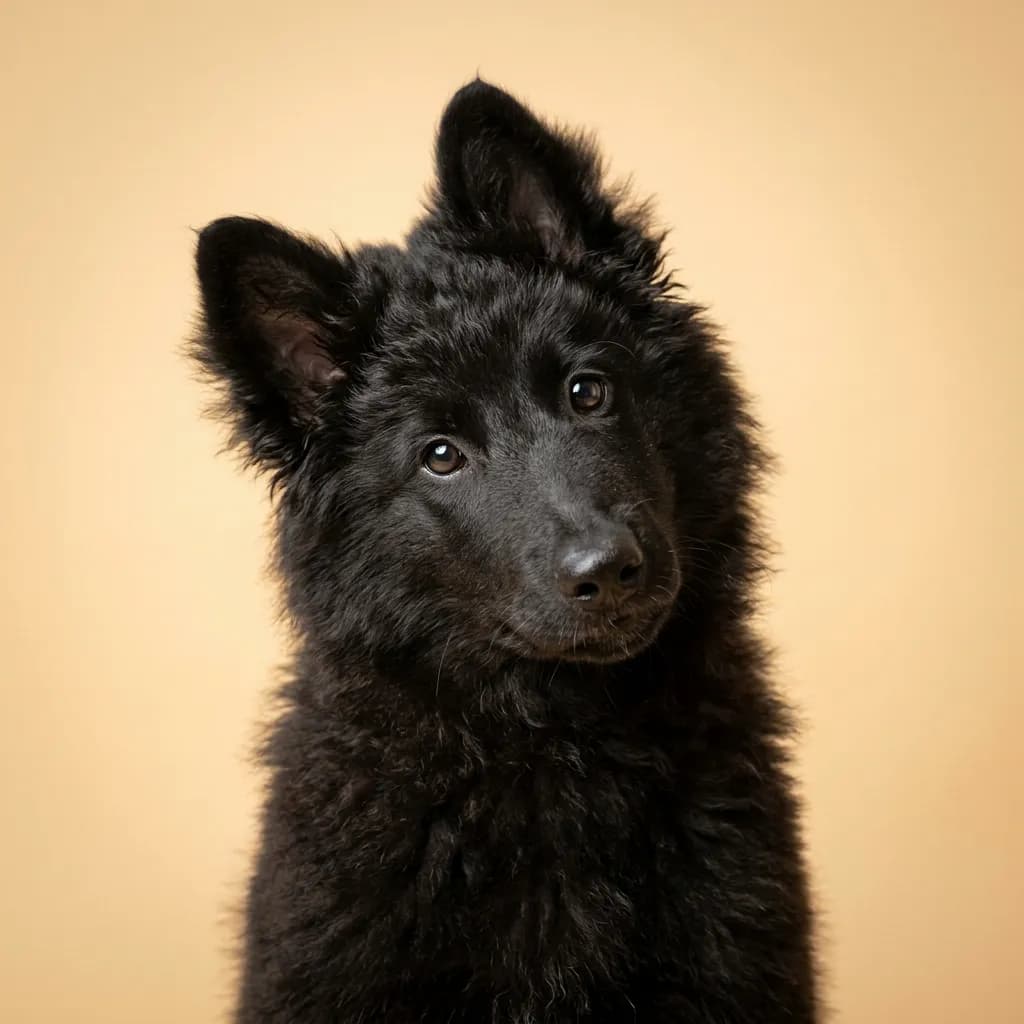
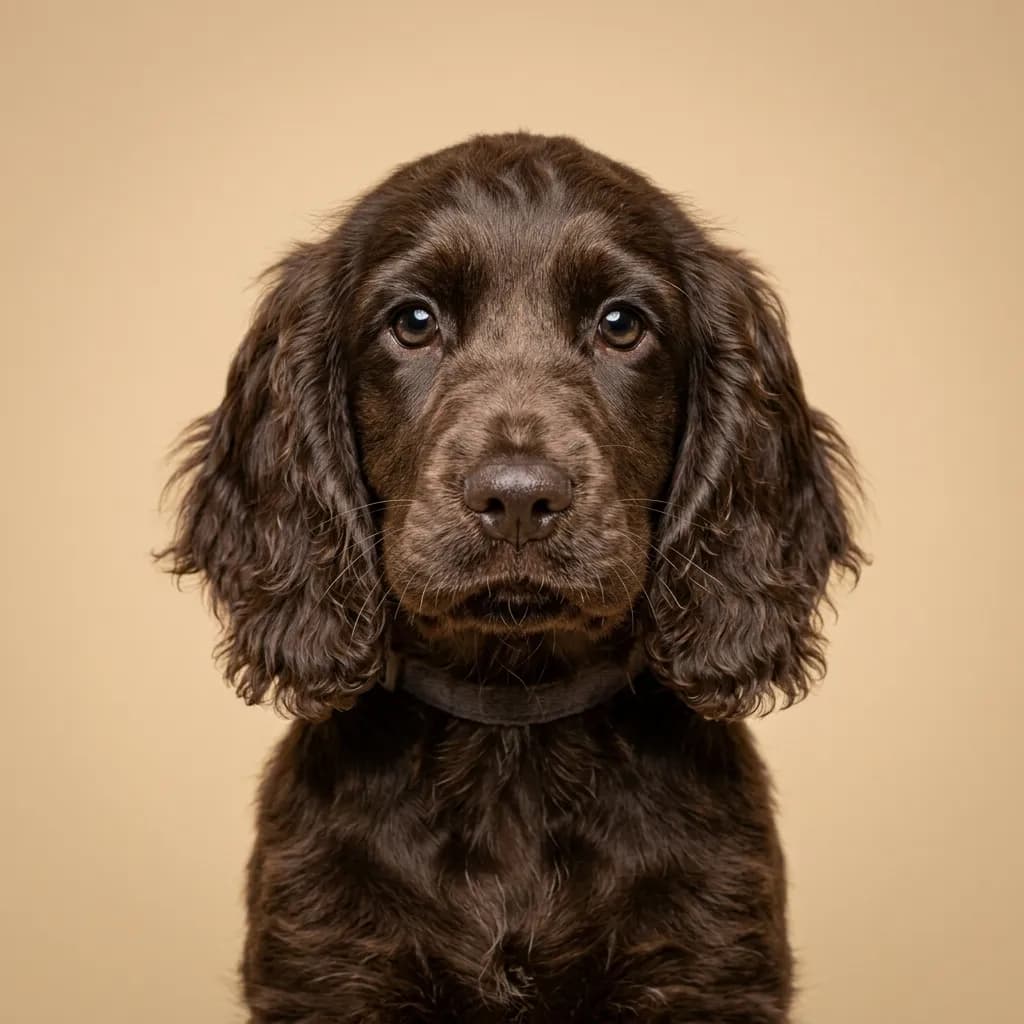
Not sure which breed fits your life?
Answer five questions about your home, your schedule, and your tolerance for shedding. We’ll match you to your top three breeds from over 200.
Belgian Sheepdog vs Field Spaniel
You’re not going to see a Belgian Sheepdog and a Field Spaniel side by side at the dog park every day, but people compare them when they’re looking for a smart, medium-to-large dog that’s loyal and trainable. yet they couldn’t be more different under the surface. One’s a thinker in a wool coat, the other a velvet-hearted shadow with floppy ears. The Belgian Sheepdog is no casual companion. This dog thrives on purpose. Bred to work long days herding and guarding in the Belgian fields, it’s got a gaze that’s always scanning and a mind that never powers down. You’ll need time for training, mental puzzles, and daily movement. lots of it. It’s not that they’re unaffectionate, but their love comes through partnership, not cuddles. Kids aren’t their priority unless raised together, and apartment life? Forget it. They’re loyal to a fault but demand an owner who speaks “dog” fluently. The Field Spaniel, on the other hand, is the quiet poet of the sporting group. Smaller, softer, and deeply in tune with your mood, they’ll follow you from room to room like a furry therapist. They love the outdoors. especially if there’s a pond or thicket to explore. but reset just fine in a suburban home with a yard. They’re the kind of dog who curls up after a long walk and leans into you like they mean it. Ear infections and grooming are real upkeep concerns, but their temperament is pure gold with kids and chaos. Here’s the truth the data won’t tell you: the Belgian Sheepdog will change how you live. You’ll adapt to them. The Field Spaniel? They’ll adapt to you. and that’s their magic. Pick the first if you want a teammate. The second if you want a soulmate.
Trait-by-trait
Higher bar = more of that trait. Shedding, barking, drooling, grooming flipped for readability.Where they diverge
Choose the Belgian Sheepdog if…
- Active people
- Experienced owners
- Dog sports enthusiasts
- You value watchdog / protective — Belgian Sheepdog scores noticeably higher.
Choose the Field Spaniel if…
- Active families
- Hunters
- Homes with a yard
- You value affectionate w/ family — Field Spaniel scores higher here.