Belgian Sheepdog vs Komondor
Side-by-side comparison across all 14 AKC trait ratings, with a clear verdict on which breed fits which kind of household.
Not sure which breed fits your life?
Answer five questions about your home, your schedule, and your tolerance for shedding. We’ll match you to your top three breeds from over 200.
Belgian Sheepdog vs Komondor
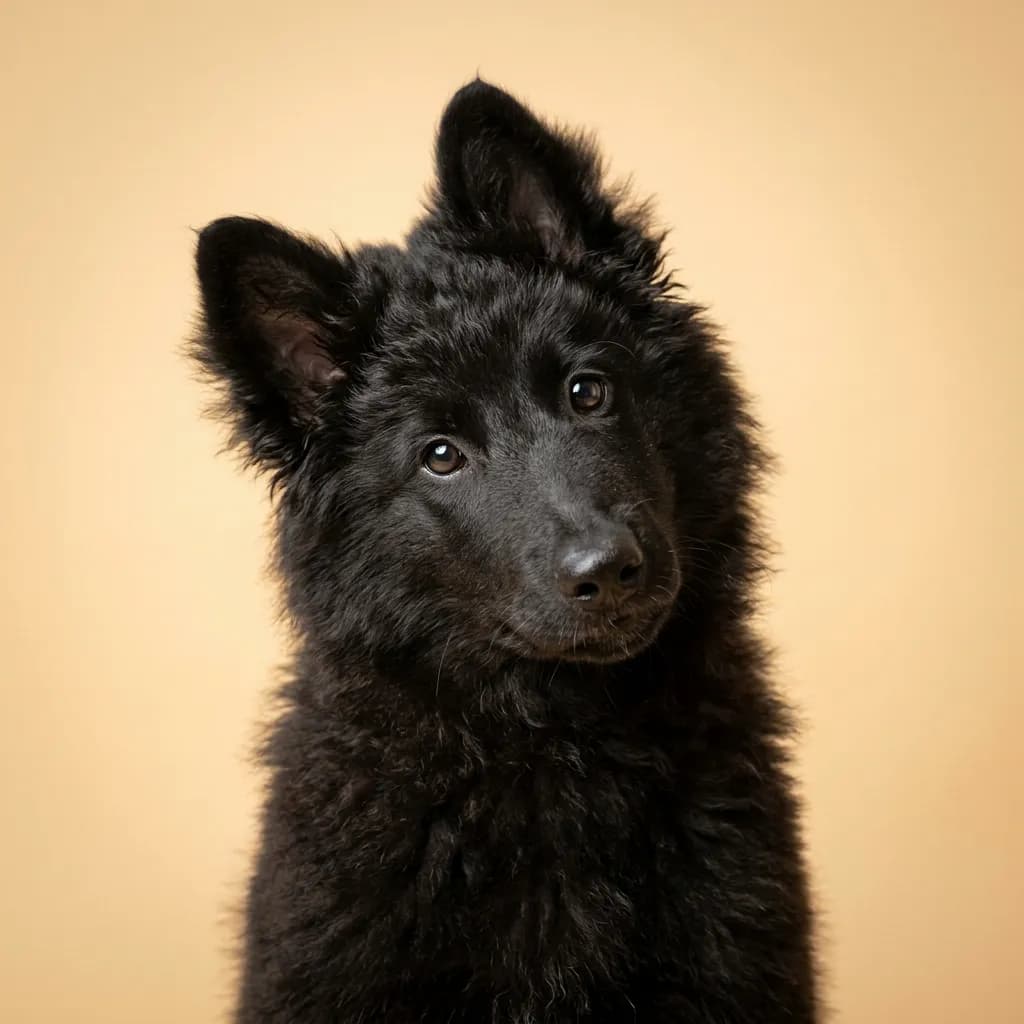
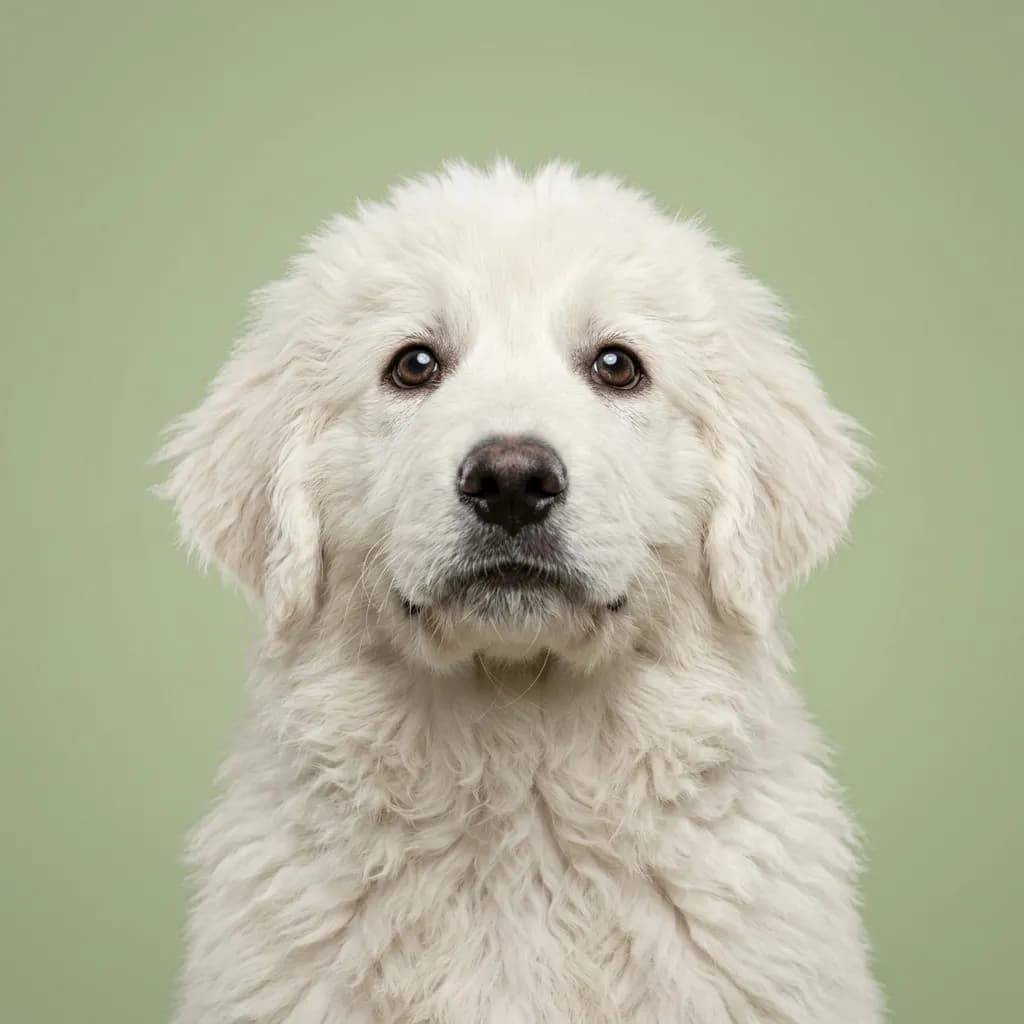
People compare Belgian Sheepdogs and Komondors because both are large, white, historically tied to protecting sheep, and look like they stepped out of a European pastoral painting. But that’s where the similarity ends. Think of them as two guardians with completely different job descriptions and personalities. The Belgian Sheepdog is the agile, brainy athlete. At 45 to 75 pounds, they’re lean and built for motion. They thrive on tasks, love obedience and agility, and need mental workouts as much as physical ones. You’ll need time for training, because they’re sharp and eager but won’t do well with inconsistency. They bond closely, but on their terms. If you’re active, experienced, and want a dog that can compete or hike all day, this one’s for you. The Komondor is the fortress. Massive, up to 100 pounds, with that iconic corded coat that looks like dreadlocks but acts like camouflage among sheep. They were bred to be independent, making split-second decisions when predators hit the flock. That means they’re not looking to please you every second. They’re loyal and deeply affectionate with family, but aloof with strangers. They don’t need constant stimulation, but they do need space. physically and mentally. A suburban backyard won’t cut it. Here’s the real talk: the Belgian needs your attention. The Komondor will tolerate yours. If you want a partner in activity, go Belgian. If you want a stoic, self-reliant guardian for a rural property, the Komondor stands tall. Just know. those cords aren’t for lazy groomers. You’ll be separating them by hand for hours, every few months. It’s not grooming, it’s a commitment.
Trait-by-trait
Higher bar = more of that trait. Shedding, barking, drooling, grooming flipped for readability.Where they diverge
Choose the Belgian Sheepdog if…
- Active people
- Experienced owners
- Dog sports enthusiasts
- You value shedding level — Belgian Sheepdog scores noticeably higher.
Choose the Komondor if…
- Livestock guardians
- Rural or farm living
- Experienced dog owners
- You value affectionate w/ family — Komondor scores higher here.