Belgian Sheepdog vs Labrador Retriever
Side-by-side comparison across all 14 AKC trait ratings, with a clear verdict on which breed fits which kind of household.

Not sure which breed fits your life?
Answer five questions about your home, your schedule, and your tolerance for shedding. We’ll match you to your top three breeds from over 200.
Belgian Sheepdog vs Labrador Retriever
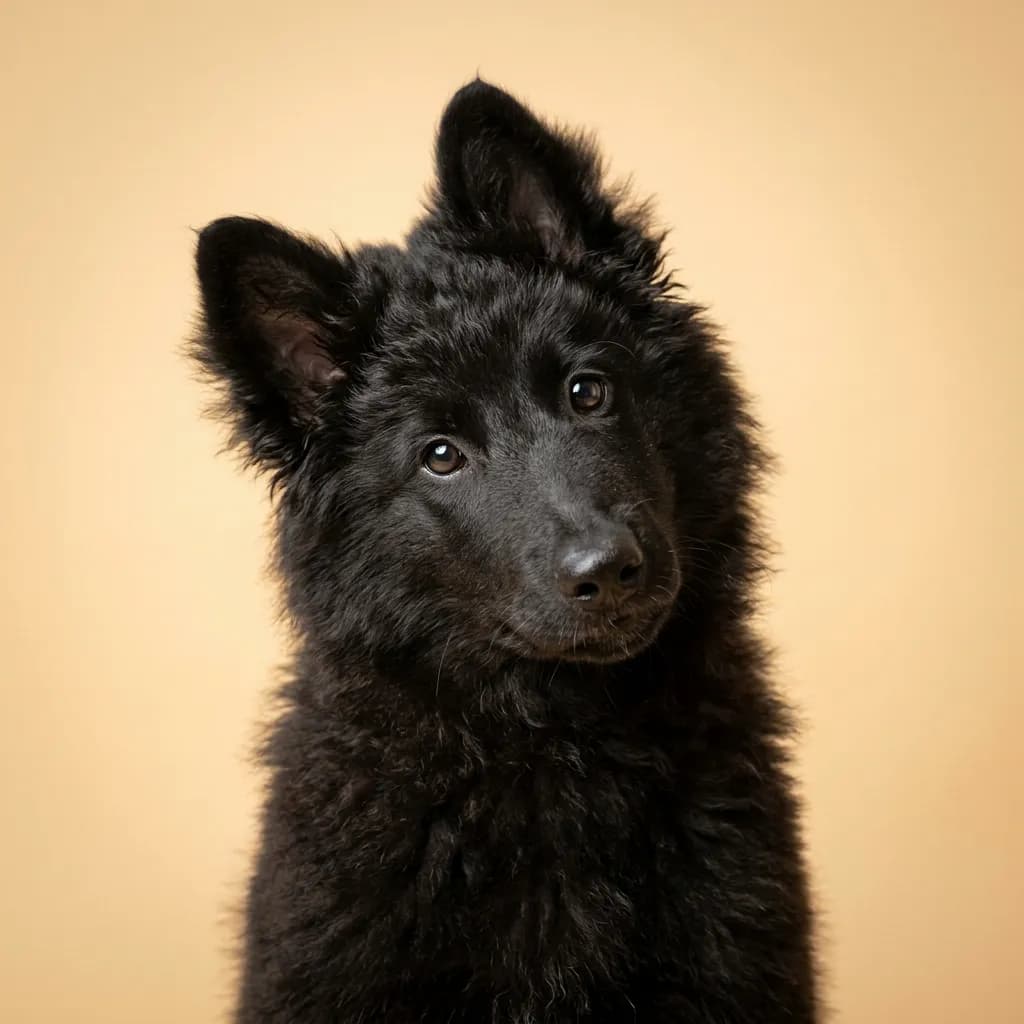
People compare Belgian Sheepdogs and Labrador Retrievers because both are smart, energetic, and deeply loyal. but that’s where the similarities end. One’s built for precision and purpose, the other for connection and chaos in the best possible way. The Belgian Sheepdog isn’t just smart, it’s intense. This dog notices when you take a different route on your walk and will remind you. politely but firmly. when it’s time for training. They thrive with structure, excel in agility or herding trials, and bond tightly with their person. But they’re not the dog to leave alone all day or expect to nap on the couch while kids scream nearby. They’re serious-minded, which means they’re not always “on” for playtime, and their patience with young kids is decent but not automatic. If you’re new to dogs or just want a laid-back companion, this isn’t your breed. The Lab? They’re the golden retriever’s more athletic cousin. always up for a game, a swim, or licking a child’s face like it’s their job. Labs are famously easygoing, adaptable to apartments or farms alike, as long as they get their daily exercise. They’re also relentless shedders and prone to eating anything that isn’t nailed down. But their warmth and trainability make them ideal for first-time owners, therapy work, or families. Here’s the real difference: a Belgian Sheepdog wants to work with you. A Lab wants to love on you. Pick the Belgian if you need a driven partner. Pick the Lab if you want a joyful, messy, endlessly affectionate family member. And if you’re not active? Don’t pick either.
Trait-by-trait
Higher bar = more of that trait. Shedding, barking, drooling, grooming flipped for readability.Where they diverge
Choose the Belgian Sheepdog if…
- Active people
- Experienced owners
- Dog sports enthusiasts
- You value watchdog / protective — Belgian Sheepdog scores noticeably higher.
Choose the Labrador Retriever if…
- Families with children
- First-time owners
- Active individuals
- You value affectionate w/ family — Labrador Retriever scores higher here.