Belgian Sheepdog vs Lapponian Herder
Side-by-side comparison across all 14 AKC trait ratings, with a clear verdict on which breed fits which kind of household.

Not sure which breed fits your life?
Answer five questions about your home, your schedule, and your tolerance for shedding. We’ll match you to your top three breeds from over 200.
Belgian Sheepdog vs Lapponian Herder
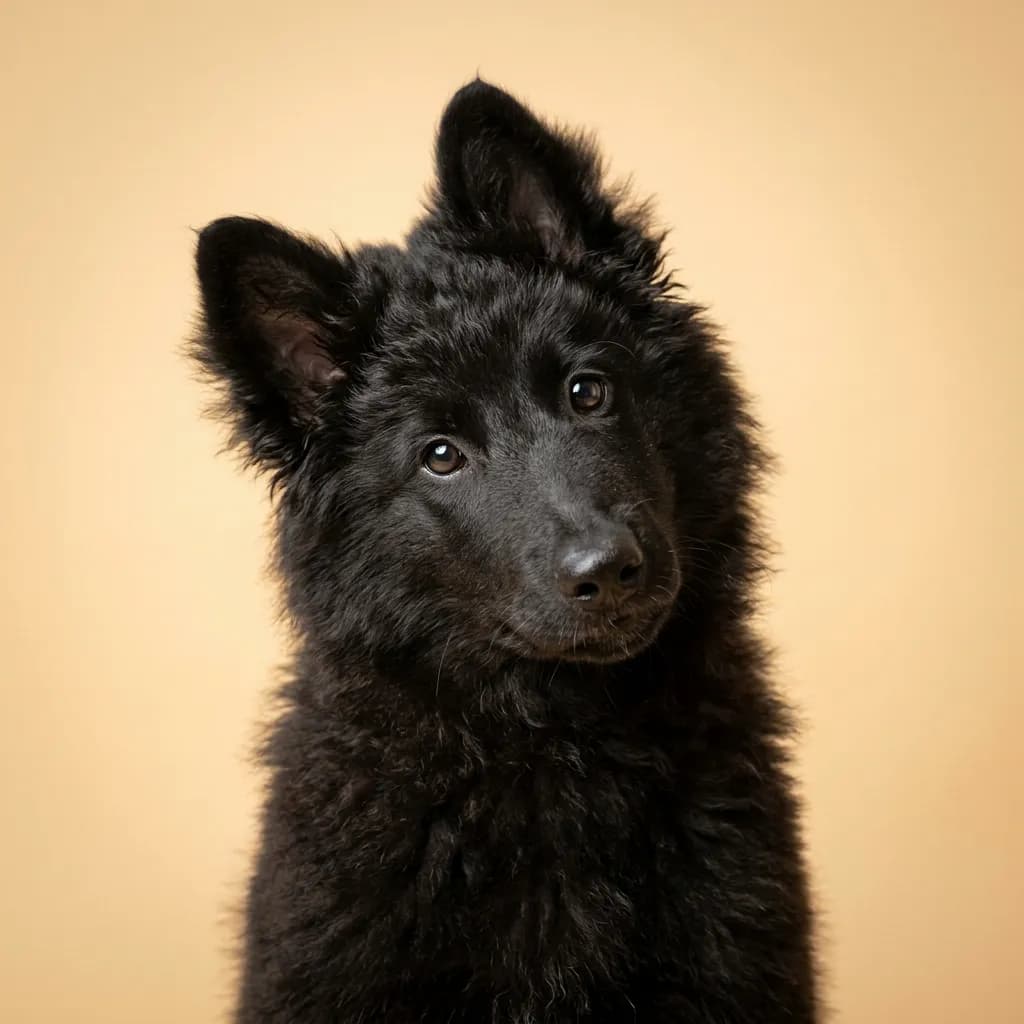
You’re not going to find these two breeds side by side at your average dog park, but if you’re deep into working dogs or have a hankering for a high-drive herder with a job to do, you might start comparing the Belgian Sheepdog and the Lapponian Herder. On paper, they look like cousins. both energetic, intelligent, built for purpose. But spend time with them and you’ll see they’re cut from different cloth. The Belgian Sheepdog is all business. Serious-minded and laser-focused, this dog thrives when it has a mission. whether that’s excelling in dog sports, patrolling your property, or mastering complex obedience. It bonds tightly with its person and wants to work alongside you, not just play. You’ll need experience to keep up. They’re not barkers by default, but they are watchful, which means they notice everything. If you’re a first-time owner or just want a casual companion, this isn’t your breed. The Lapponian Herder, on the other hand, carries a lighter spirit. Bred to move reindeer across Arctic tundra, it’s tough as nails in cold climates and endlessly adaptable to outdoor life. It’s still intense. don’t get it unless you can handle 4/5 on the energy scale. but it’s more approachable, more openly affectionate. It’ll lean into you after a long hike, happy just to be part of the action. Here’s the real difference: the Belgian Sheepdog wants to serve you. The Lapponian Herder wants to partner with you. If you need precision and drive, go Belgian. If you want a loyal teammate for rugged outdoor life with a bit more warmth, the Lapponian’s your dog. Just don’t expect either to be happy on a city balcony. Both need space, purpose, and cold weather helps. especially the Lapponian.
Trait-by-trait
Higher bar = more of that trait. Shedding, barking, drooling, grooming flipped for readability.Where they diverge
Choose the Belgian Sheepdog if…
- Active people
- Experienced owners
- Dog sports enthusiasts
- You value trainability — Belgian Sheepdog scores noticeably higher.
Choose the Lapponian Herder if…
- active families
- cold climates
- herding and working dog enthusiasts
- You value affectionate w/ family — Lapponian Herder scores higher here.