Belgian Sheepdog vs Norwegian Buhund
Side-by-side comparison across all 14 AKC trait ratings, with a clear verdict on which breed fits which kind of household.

Not sure which breed fits your life?
Answer five questions about your home, your schedule, and your tolerance for shedding. We’ll match you to your top three breeds from over 200.
Belgian Sheepdog vs Norwegian Buhund
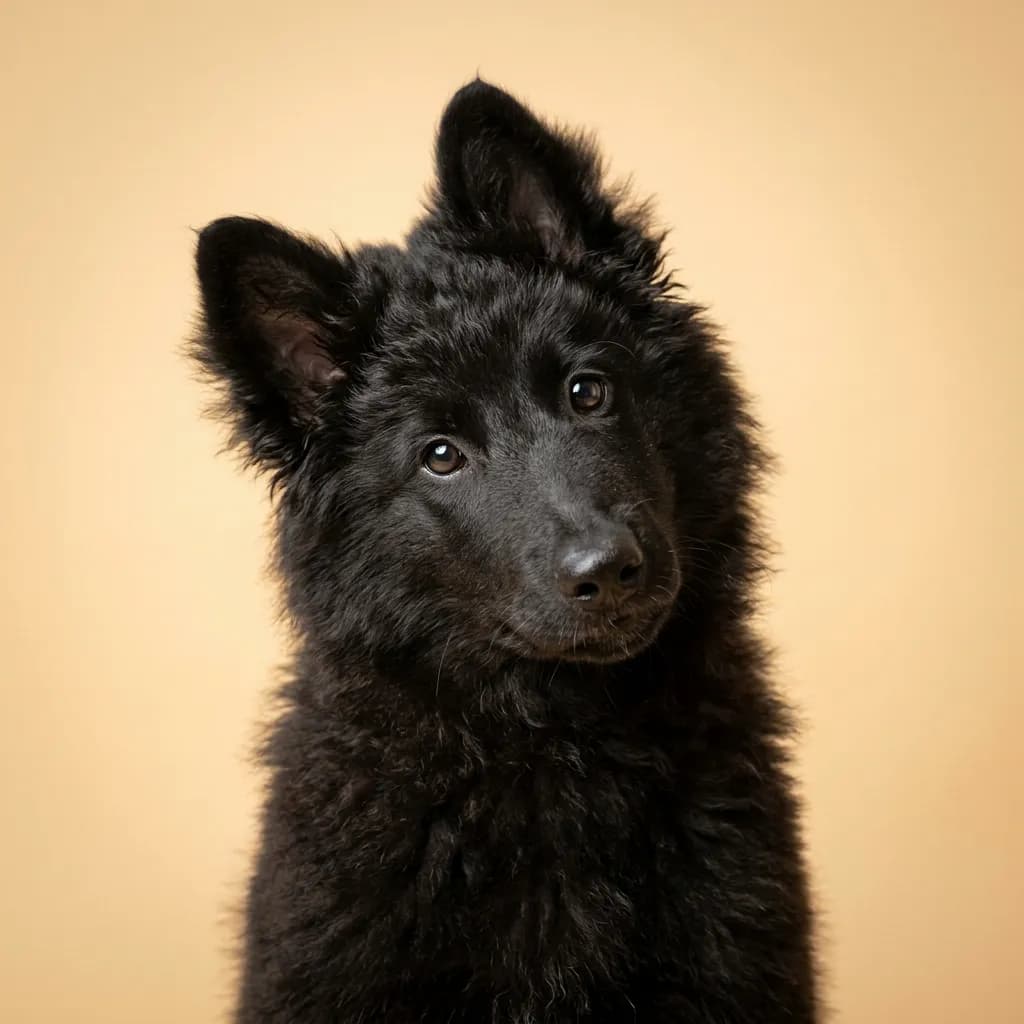
People compare Belgian Sheepdogs and Norwegian Buhunds because both are energetic, intelligent herding breeds with a strong work ethic and a love for cold weather. On paper, they seem like two sides of the same coin. both thrive on mental challenges and active lifestyles. But living with one versus the other? That’s where the real differences bite. The Belgian Sheepdog is a 70-pound shadow in a jet-black coat, serious and intense. It reads your mood like a therapist and expects a job. serious obedience, protection work, or advanced agility. It’s not cuddly in the casual sense, more like a devoted partner who’ll guard your family with quiet vigilance. You need space, experience, and time. This isn’t a dog for weekend hikes and Netflix nights. It needs purpose, or it’ll invent its own, probably involving your shoes. The Norwegian Buhund, meanwhile, is half the size and twice the personality. At under 40 pounds, it’s a spitz-type bundle of fire. bright, bold, and loud. It barks at changes in the wind and will alert you to a squirrel three blocks away. But it’s also deeply affectionate, the kind of dog that jumps in your lap if you let it. It adapts better to smaller homes, even town living, as long as you’re active. It’s still smart, but with a stubborn streak that makes training a negotiation, not a command. Here’s the real insight: the Belgian Sheepdog changes your life to fit its needs. The Buhund fits into a lively life but amplifies the noise. both literal and emotional. Pick the Belgian if you want a driven, precise working companion and already speak fluent dog. Choose the Buhund if you want a feisty, loyal family sidekick who’s ready to sing along. loudly. to every moment.
Trait-by-trait
Higher bar = more of that trait. Shedding, barking, drooling, grooming flipped for readability.Where they diverge
Choose the Belgian Sheepdog if…
- Active people
- Experienced owners
- Dog sports enthusiasts
- You value trainability — Belgian Sheepdog scores noticeably higher.
Choose the Norwegian Buhund if…
- Active families
- Cold climate dwellers
- Dog sport enthusiasts
- You value affectionate w/ family — Norwegian Buhund scores higher here.