Belgian Sheepdog vs Puli
Side-by-side comparison across all 14 AKC trait ratings, with a clear verdict on which breed fits which kind of household.
Not sure which breed fits your life?
Answer five questions about your home, your schedule, and your tolerance for shedding. We’ll match you to your top three breeds from over 200.
Belgian Sheepdog vs Puli
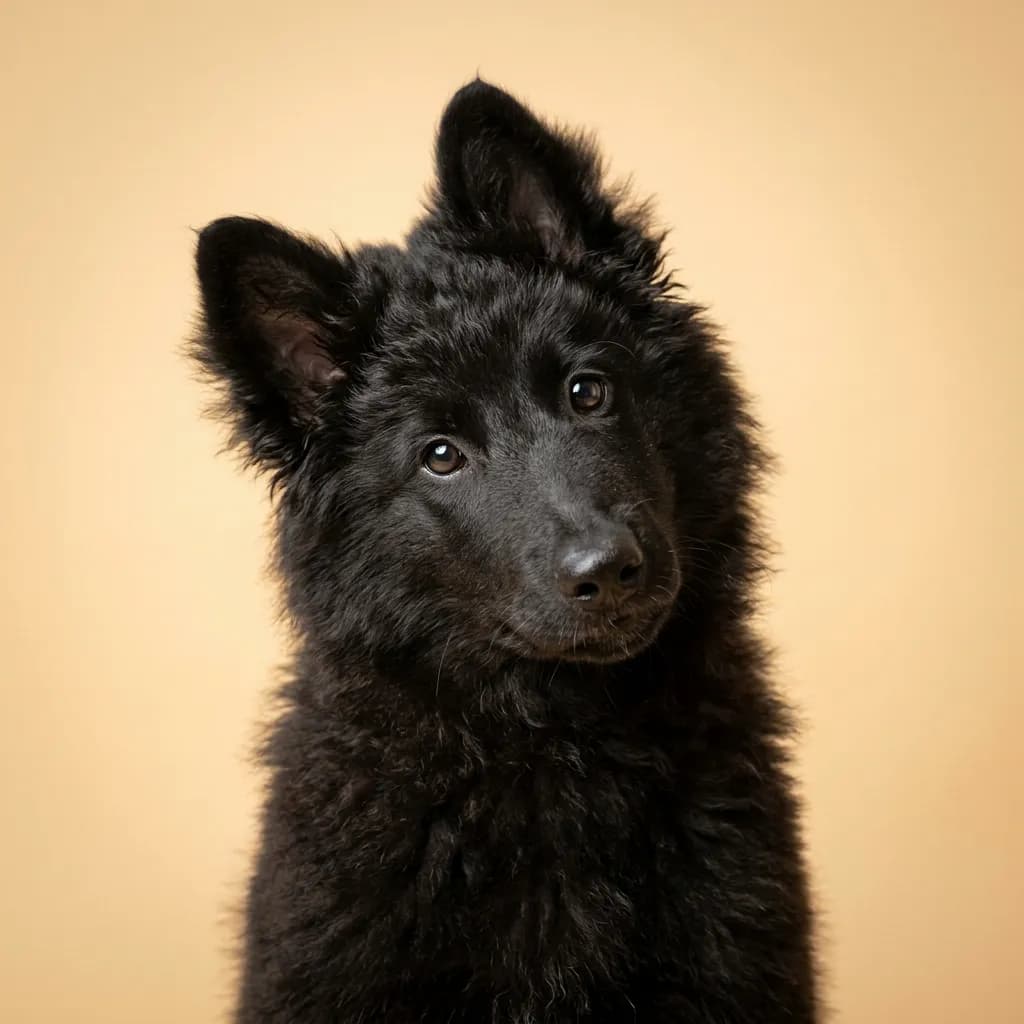
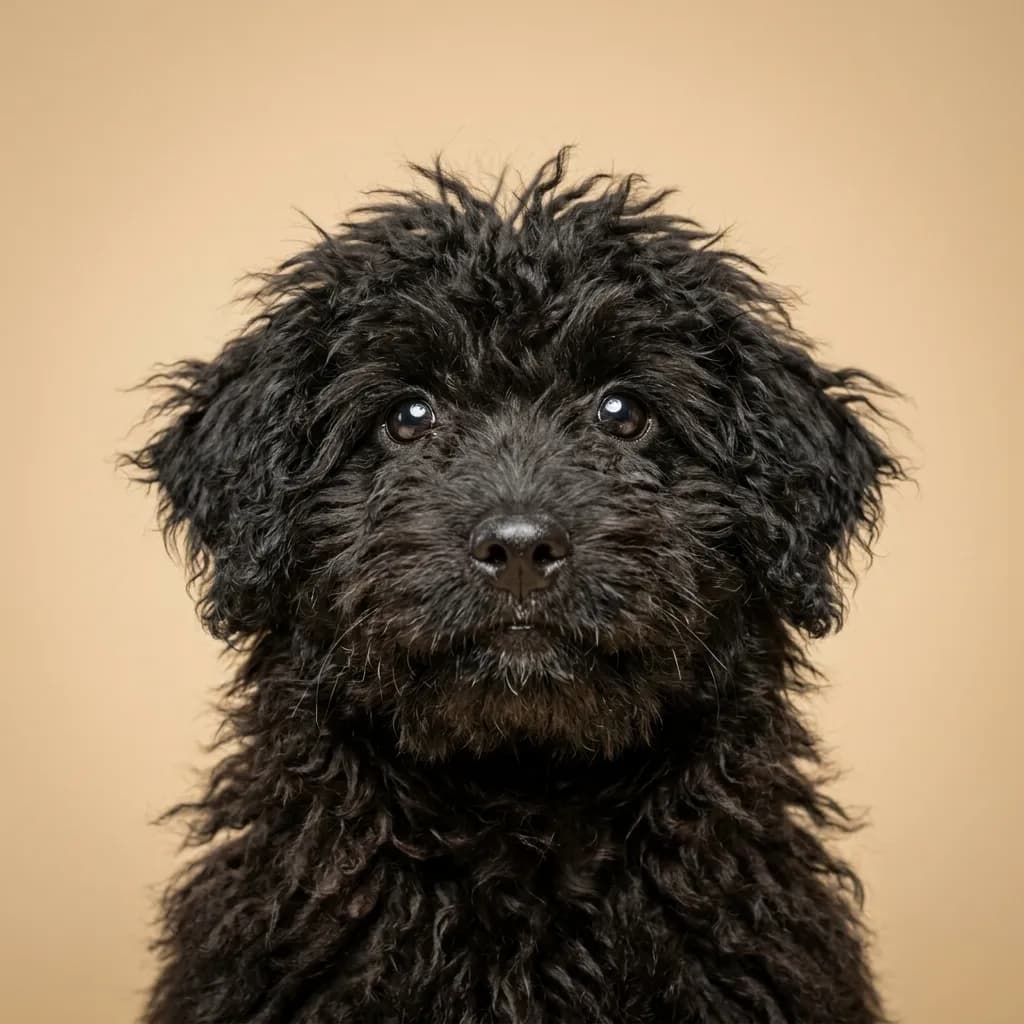
People compare Belgian Sheepdogs and Pulis because they’re both herding breeds with dramatic, eye-catching coats and sharp minds. At first glance, you might think they’re two versions of the same idea. But live with either, and you’ll quickly realize they’re built for different rhythms of life. The Belgian Sheepdog is a high-octane partner, built for serious work. At 45 to 75 pounds and standing over two feet tall, this dog needs space, structure, and a job. It thrives in dog sports, search and rescue, or any role where it can channel its intense focus. You’ll need time for training and daily mental challenges. Without it, expect boredom and destruction. It’s not that it won’t cuddle. but affection comes on its terms, not constant demand. Families with older kids and active lifestyles can make it work, but apartment living? Forget it. The Puli, in contrast, is smaller, lighter, and somehow both more intense and more adaptable. That mop-like coat doesn’t shed much, but it demands weekly upkeep. neglect it and you’ll face matted dreadlocks that can’t be saved. What surprises most people is the Puli’s deep loyalty. It bonds fiercely to its family, almost like a shadow. It’s smart and trainable, but its energy is more contained. It does well in a house with a yard, even in suburbs, as long as it gets daily walks and brain games. Here’s the real difference: the Belgian Sheepdog wants to work with you, like a colleague. The Puli wants to be with you, like a devoted companion. If you want a driven, versatile athlete, go Belgian. If you want a clever, affectionate oddball who’ll follow you room to room, the Puli’s your dog. Just don’t underestimate either one’s need for attention. mental or emotional.
Trait-by-trait
Higher bar = more of that trait. Shedding, barking, drooling, grooming flipped for readability.Where they diverge
Choose the Belgian Sheepdog if…
- Active people
- Experienced owners
- Dog sports enthusiasts
- You value shedding level — Belgian Sheepdog scores noticeably higher.
Choose the Puli if…
- Active families
- Experienced dog owners
- Those wanting a unique coat
- You value coat grooming — Puli scores higher here.