Belgian Sheepdog vs Pyrenean Shepherd
Side-by-side comparison across all 14 AKC trait ratings, with a clear verdict on which breed fits which kind of household.
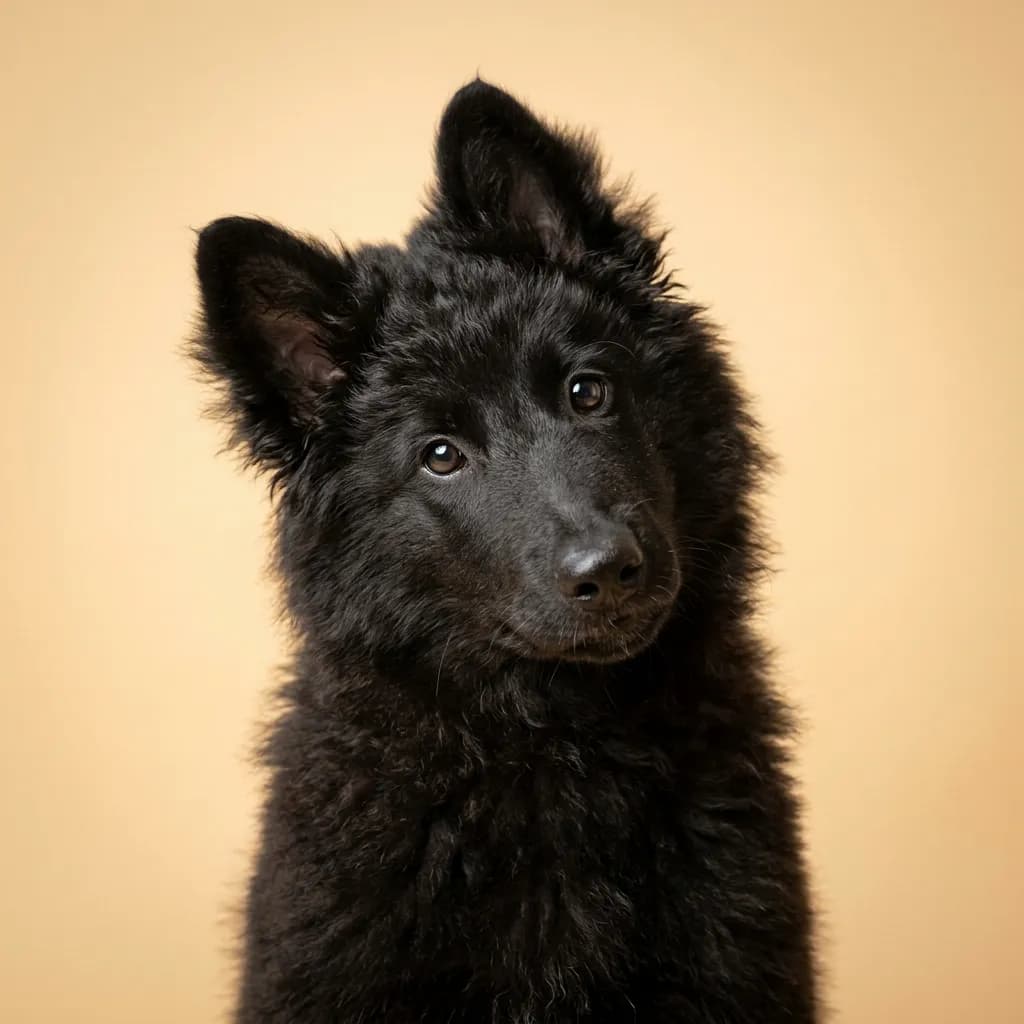
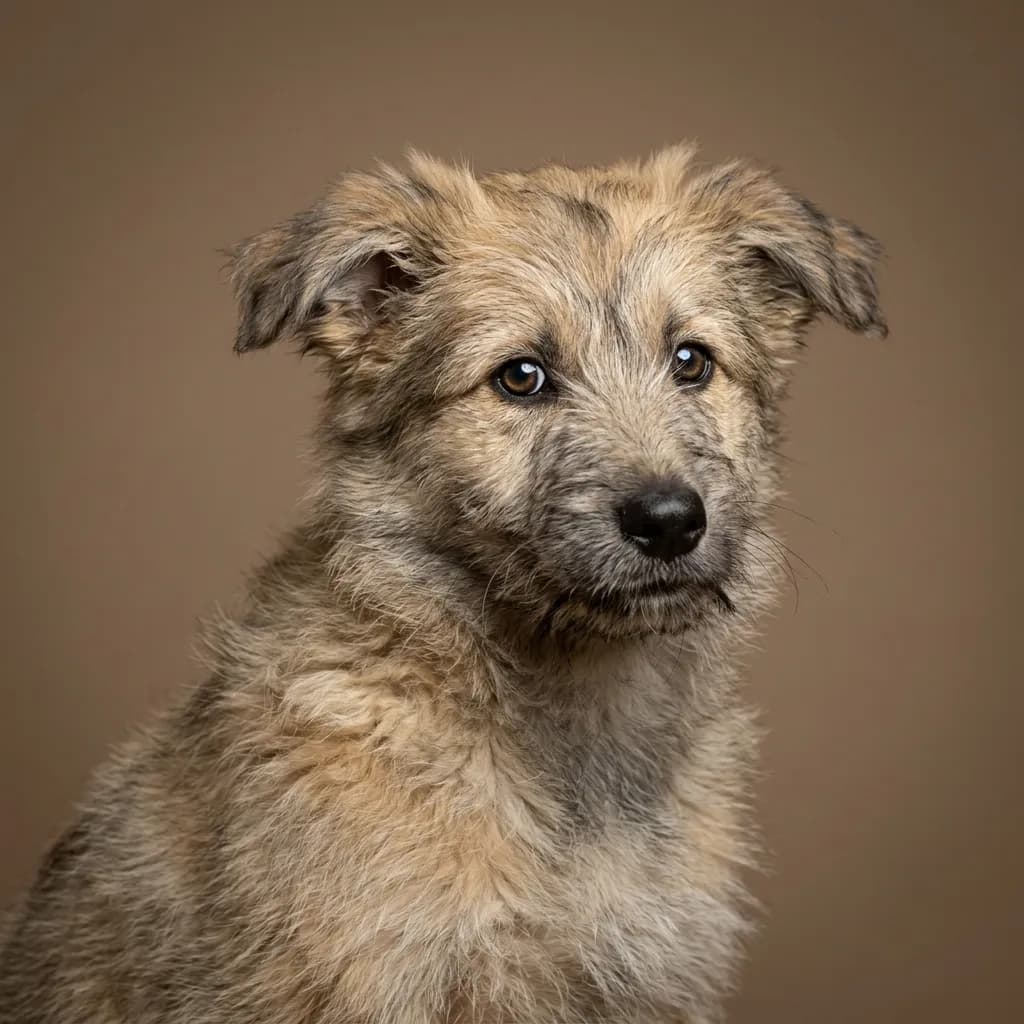
Not sure which breed fits your life?
Answer five questions about your home, your schedule, and your tolerance for shedding. We’ll match you to your top three breeds from over 200.
Belgian Sheepdog vs Pyrenean Shepherd
You’re comparing a Belgian Sheepdog and a Pyrenean Shepherd because both are rare, driven herding breeds with intense eyes and zero interest in being couch potatoes. They look vaguely similar from afar. lean, alert, built for work. but that’s where the overlap ends. Think of the Belgian as the serious graduate student of the dog world. At 50 to 75 pounds, they’re substantial, focused, and deeply committed. They thrive in structured environments where they have a job, whether it’s competitive obedience or patrolling a large property. They bond tightly but don’t fawn. They’re not unfriendly, just reserved. especially with kids, who might find them a bit aloof. Now meet the Pyrenean Shepherd. At 15 to 30 pounds, they’re half the size but twice the whirlwind. Bred to zip up and down the Pyrenees all day, they’re tireless, affectionate, and deeply in tune with their person. This dog will follow you from room to room, not out of neediness but partnership. They’re more adaptable than the Belgian. better for smaller homes, as long as you’re matching their energy. But don’t be fooled by their size. They bark more, demand more mental stimulation, and will outlast you in agility class. The real difference? The Belgian wants to work for you. The Pyrenean wants to work with you. If you need a focused guardian with presence, go Belgian. If you want a nimble, emotional athlete who lives for the next challenge, the Pyrenean’s your dog. Here’s the thing no one mentions: both breeds suffer in silence when bored. A Belgian might shut down. A Pyrenean might start nipping at heels just to feel something. You don’t own these dogs. You partner with them. And if you’re not all in, they’ll know it.
Trait-by-trait
Higher bar = more of that trait. Shedding, barking, drooling, grooming flipped for readability.Where they diverge
Choose the Belgian Sheepdog if…
- Active people
- Experienced owners
- Dog sports enthusiasts
Choose the Pyrenean Shepherd if…
- Highly active owners
- Dog sports enthusiasts
- Herding enthusiasts
- You value affectionate w/ family — Pyrenean Shepherd scores higher here.