Belgian Sheepdog vs Rat Terrier
Side-by-side comparison across all 14 AKC trait ratings, with a clear verdict on which breed fits which kind of household.

Not sure which breed fits your life?
Answer five questions about your home, your schedule, and your tolerance for shedding. We’ll match you to your top three breeds from over 200.
Belgian Sheepdog vs Rat Terrier
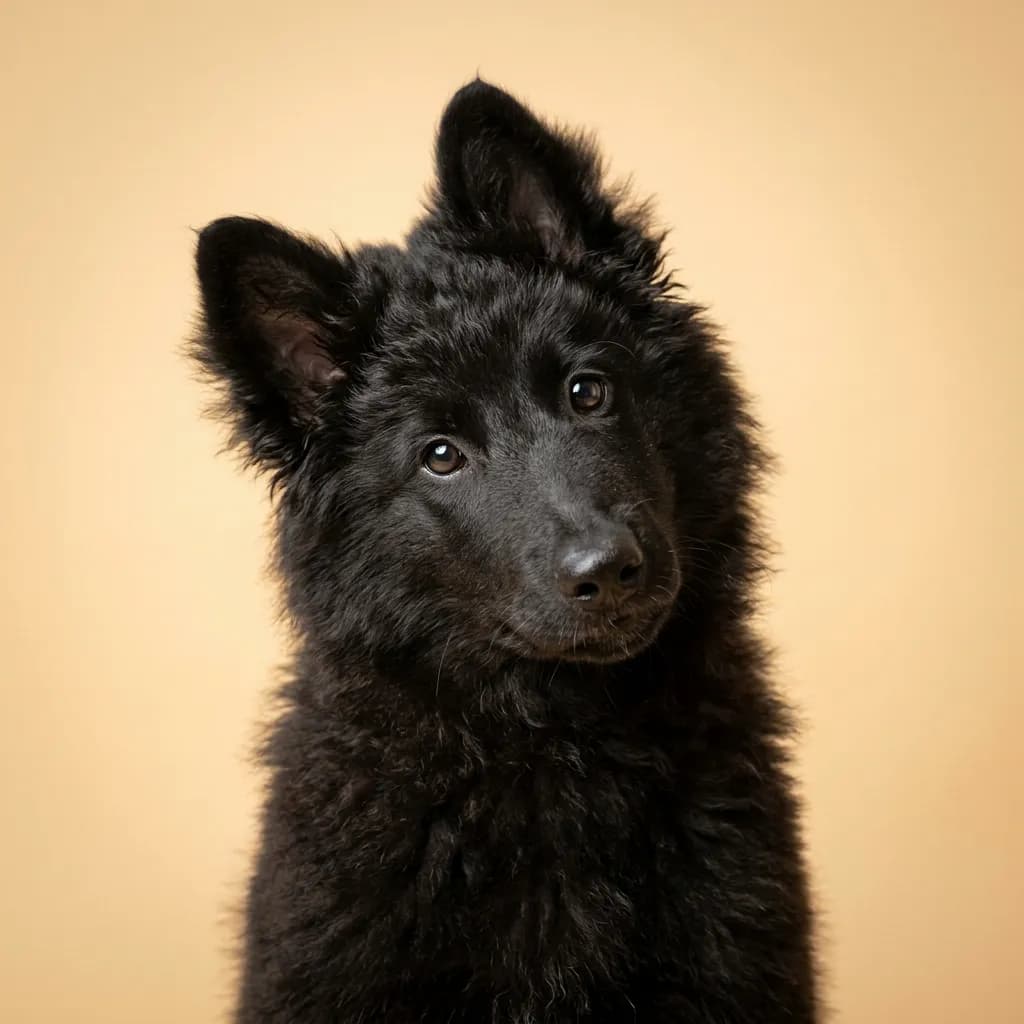
People compare Belgian Sheepdogs and Rat Terriers because they’re both energetic, brainy dogs with a high gear for work and a loyal streak. But that’s where the similarities end. One’s a velvet-voiced guardian built for wide pastures and serious jobs, the other a pocket-sized farmhand who’ll curl up on your lap after a day of digging. If you're eyeing a Belgian Sheepdog, you’re signing up for a dog that thrives on purpose. These dogs are 22 to 26 inches of focused intensity, bred to move sheep and watch over them with a calm, almost human-like awareness. They need structure, training, and space to move. You’ll love their devotion and brilliance in agility or herding trials, but don’t expect a laid-back couch buddy. They’re not great with kids unless raised together, and their sensitivity means heavy-handed training backfires fast. Now picture the Rat Terrier. 10 to 18 inches of wiry charm. This dog adapts. Whether you’re in a city apartment or on a country acre, they’ll match your rhythm. They’re playful, fearless with kids, and bond deeply with the whole family. Bred to hunt rats, they’ve got a sharp prey drive, so don’t pair them with pet hamsters. But they’re easiergoing on the training front, quicker to forgive, and more likely to bark just for fun. The real difference isn’t size or origin. It’s this: the Belgian Sheepdog demands a job, or it’ll invent one. like reorganizing your backyard with a digging fit or barking at shadows. The Rat Terrier just wants to be part of your day, every day. If you want a partner in purpose, go Belgian. If you want a cheerful shadow who’s down for anything, go Rat Terrier. One’s a symphony conductor, the other the town bard. Pick your personality, not just your lifestyle.
Trait-by-trait
Higher bar = more of that trait. Shedding, barking, drooling, grooming flipped for readability.Where they diverge
Choose the Belgian Sheepdog if…
- Active people
- Experienced owners
- Dog sports enthusiasts
Choose the Rat Terrier if…
- Active families
- First-time dog owners
- Apartment or small home living
- You value affectionate w/ family — Rat Terrier scores higher here.