Belgian Sheepdog vs Shetland Sheepdog
Side-by-side comparison across all 14 AKC trait ratings, with a clear verdict on which breed fits which kind of household.

Not sure which breed fits your life?
Answer five questions about your home, your schedule, and your tolerance for shedding. We’ll match you to your top three breeds from over 200.
Belgian Sheepdog vs Shetland Sheepdog
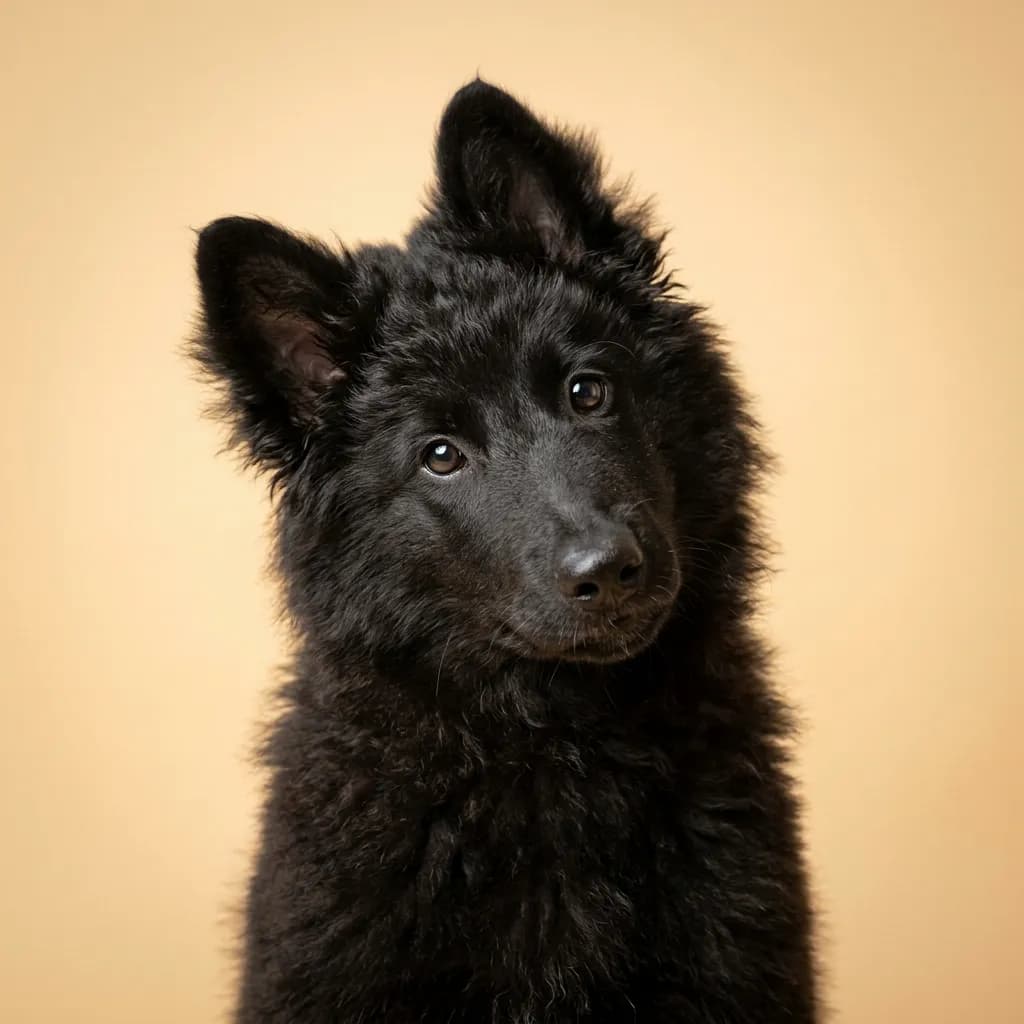
People compare Belgian Sheepdogs and Shetland Sheepdogs because they’re both herding breeds with that classic “sheepdog” look. long coats, alert eyes, and brains to burn. But beyond the silhouette, they’re built for entirely different lives. Think of the Belgian as a marathon runner with a security clearance; the Sheltie as a hyper-observant poet who also happens to do parkour. The Belgian is big, intense, and built for serious work. You’ll need space, time, and a plan to keep them busy. They’re not the kind of dog you leave in the backyard while you work 60-hour weeks. They thrive with structure. dog sports, advanced training, or actual jobs. They’re loyal but reserved, especially with kids; not out of aggression, but because they take their watchdog role seriously. You’ll need to socialize them early and often. The Sheltie, on the other hand, fits in a suitcase compared to the Belgian. But don’t mistake size for low demand. They’re bursting with energy and even more bark. If you live in an apartment or hate constant “alerting” at passing squirrels, this won’t be your dog. But they’re deeply affectionate, great with kids, and adapt to homes from farms to suburbs. as long as their mind is engaged daily. Here’s the real talk: both breeds live to please, but the Belgian demands a handler, while the Sheltie wants a partner. If you’re a first-time owner with time to train, the Sheltie can be a dream. If you’re experienced and active, the Belgian will astonish you with their capability. Just know. neither will let you get away with being boring.
Trait-by-trait
Higher bar = more of that trait. Shedding, barking, drooling, grooming flipped for readability.Where they diverge
Choose the Belgian Sheepdog if…
- Active people
- Experienced owners
- Dog sports enthusiasts
- You value good with strangers — Belgian Sheepdog scores noticeably higher.
Choose the Shetland Sheepdog if…
- Families with children
- Active owners
- Dog sports enthusiasts
- You value affectionate w/ family — Shetland Sheepdog scores higher here.