Belgian Tervuren vs Havanese
Side-by-side comparison across all 14 AKC trait ratings, with a clear verdict on which breed fits which kind of household.
Not sure which breed fits your life?
Answer five questions about your home, your schedule, and your tolerance for shedding. We’ll match you to your top three breeds from over 200.
Belgian Tervuren vs Havanese
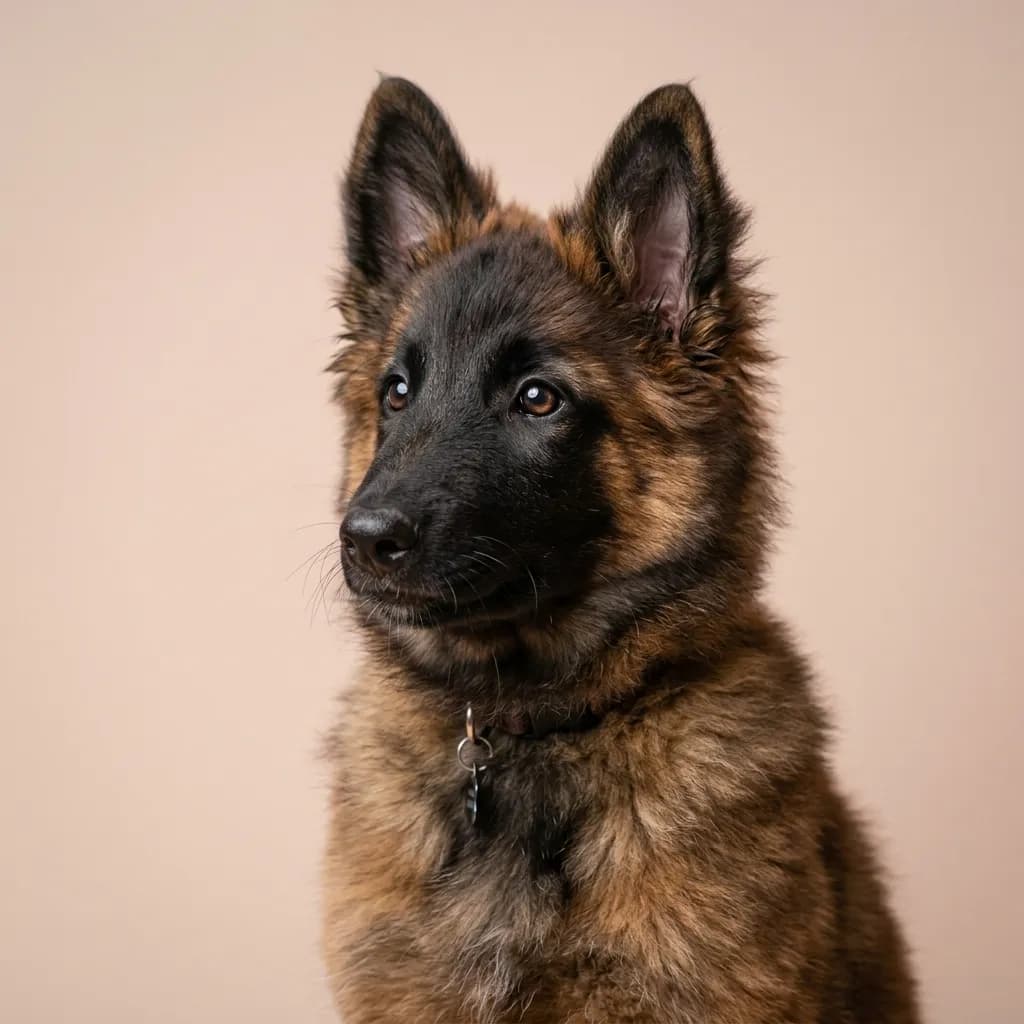
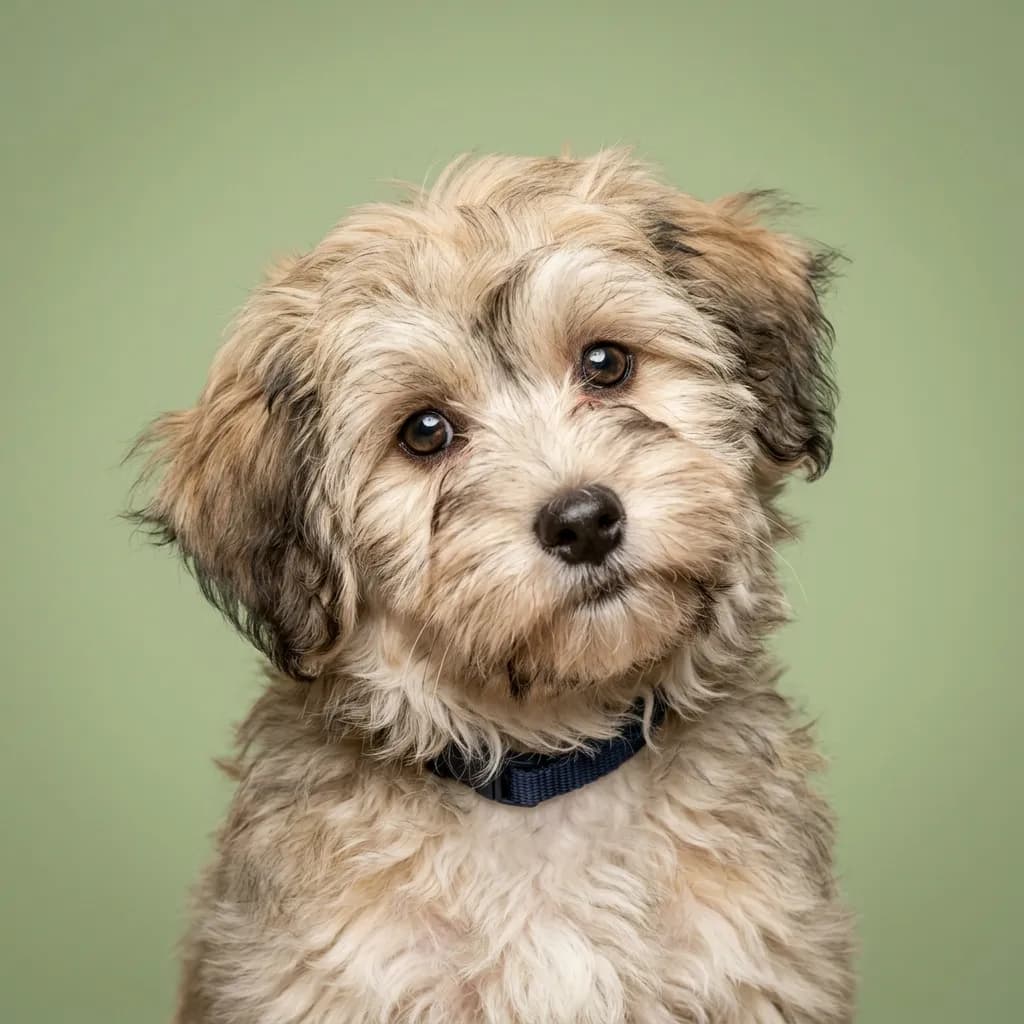
You’re probably comparing a Belgian Tervuren and a Havanese because you want a smart dog, but that’s where the obvious similarities end. One was built to work all day in open fields under harsh weather, the other to nap on silk cushions in 19th-century Cuban mansions. This isn’t just size or energy. it’s a fundamental mismatch in lifestyle design. The Tervuren is a high-performance engine in dog form. At 50 to 75 pounds, with a sharp mind and relentless drive, it needs serious physical and mental work. You’ll find them excelling in agility, herding trials, or as working K9s. They’re loyal and alert, but they demand engagement. If you’re home eight hours a day with a desk job, this isn’t the dog for you. They’re not overly demonstrative, and while they’ll bond deeply, they’re not lap dogs. Their thick double coat sheds seasonally, and health issues like hip dysplasia mean vet checks are non-negotiable. The Havanese, meanwhile, weighs under 13 pounds and lives to love and be loved. They’re outgoing, playful, and thrive in tiny apartments or busy family homes. They adapt to almost any routine, but leave them alone too long and they’ll howl the walls down. Their silky coat doesn’t shed much but needs daily brushing. a different kind of commitment. Great with kids, easy to train, and eager to please, they’re ideal for first-time owners or retirees. Here’s the real insight: the Tervuren isn’t just active, it’s obsessive. They need a job that challenges them deeply, not just a walk around the block. The Havanese just wants to be part of your life, full stop. Pick the Tervuren if you want a canine partner in adventure. Pick the Havanese if you want a furry shadow that makes everyday moments brighter.
Trait-by-trait
Higher bar = more of that trait. Shedding, barking, drooling, grooming flipped for readability.Where they diverge
Choose the Belgian Tervuren if…
- Active people
- Experienced owners
- Dog sports enthusiasts
- You value shedding level — Belgian Tervuren scores noticeably higher.
Choose the Havanese if…
- Apartment dwellers
- Seniors
- Families with children
- You value affectionate w/ family — Havanese scores higher here.