Bergamasco Sheepdog vs Bloodhound
Side-by-side comparison across all 14 AKC trait ratings, with a clear verdict on which breed fits which kind of household.
Not sure which breed fits your life?
Answer five questions about your home, your schedule, and your tolerance for shedding. We’ll match you to your top three breeds from over 200.
Bergamasco Sheepdog vs Bloodhound
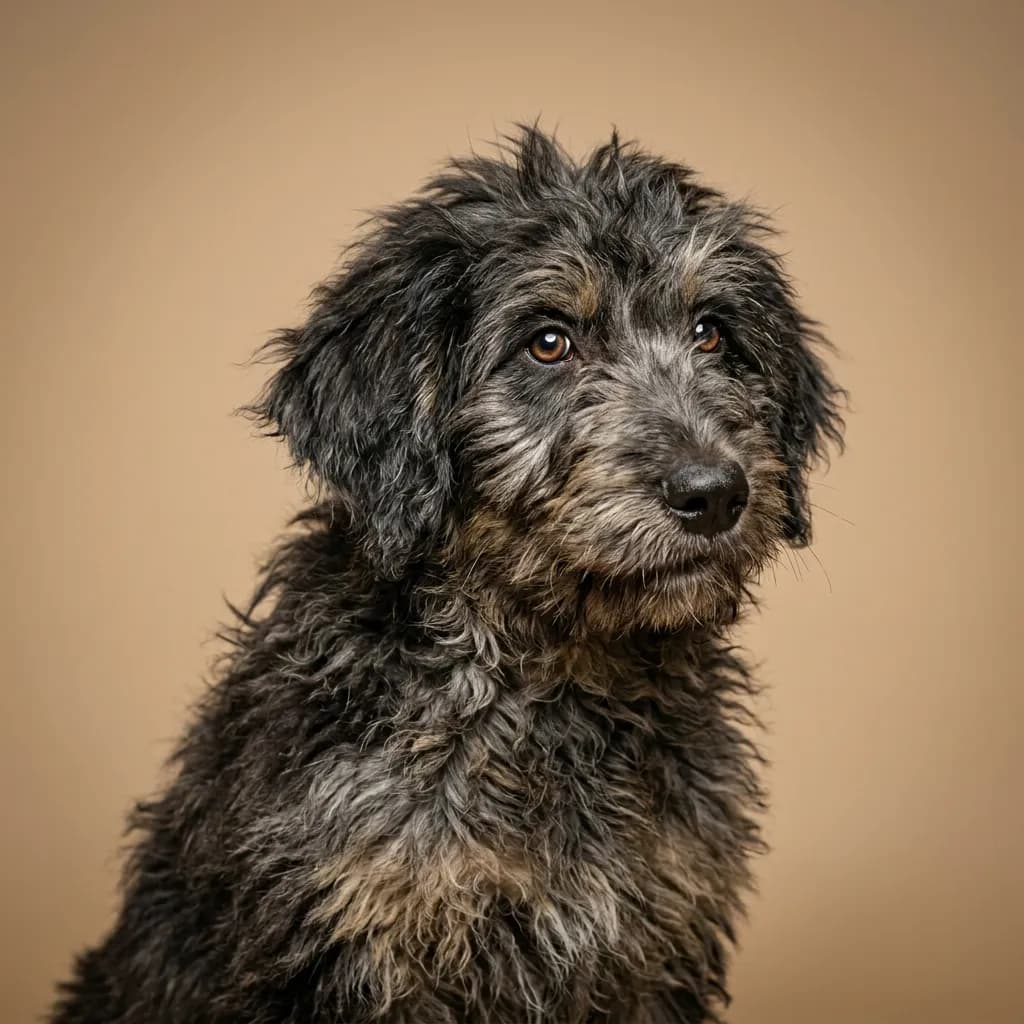
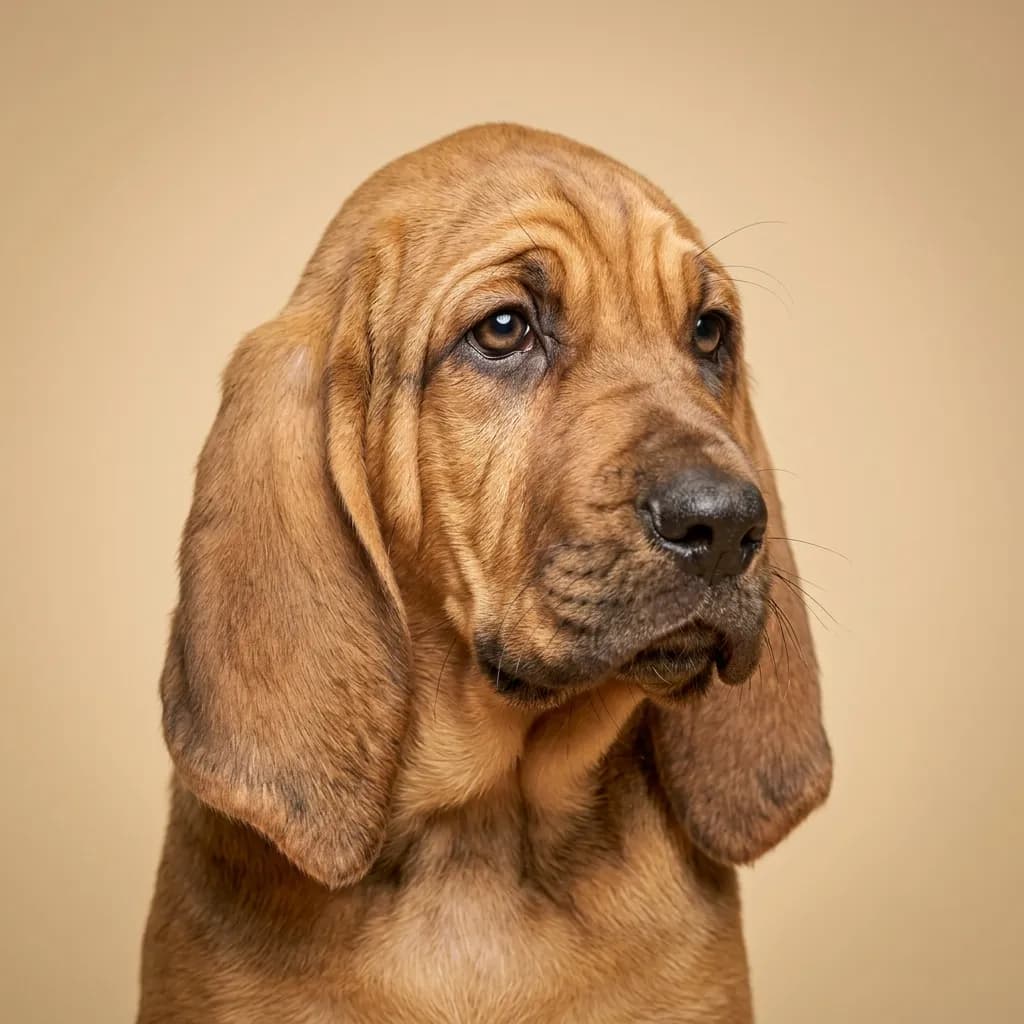
People compare the Bergamasco Sheepdog and Bloodhound because they’re both large, droopy-faced dogs with coats that turn heads and a history of serious working chops. But that’s where the similarities end. If you’re torn between them, you’re really choosing between a thoughtful guardian of the flocks and a single-minded scent detective. The Bergamasco is quiet, almost catlike in its independence. You’ll love its calm presence if you’re hiking in the mountains or living off-grid, but don’t expect a gregarious greeter. Its signature dreadlock-like coat isn’t high-maintenance in the brushing sense, but it does need careful maintenance to prevent matting and skin issues. It’s a dog that bonds deeply but on its own terms. If you’ve had dogs before, know how to read canine body language, and value a peaceful, observant companion, this is your breed. The Bloodhound, meanwhile, is all about the nose. It’s friendly to a fault, adores kids, and will lean on you like a furry linebacker. But it will also bay like a foghorn and follow a scent trail through your neighbor’s backyard if given half a chance. That means a secure fence isn’t optional. It’s loyal and affectionate, yes, but its brain is wired for tracking, not obedience. Training a Bloodhound is less about command mastery and more about managing its instincts. Here’s the real talk: the Bergamasco might look like a shaggy mystery, but it’s the more predictable of the two. The Bloodhound’s sweet face hides a dog that can be stubborn and loud. If you want a quiet partner, pick the Bergamasco. If you want a nose with a heartbeat and don’t mind the noise, go Bloodhound. Just don’t expect silence either way.
Trait-by-trait
Higher bar = more of that trait. Shedding, barking, drooling, grooming flipped for readability.Where they diverge
Choose the Bergamasco Sheepdog if…
- Experienced owners
- Active people
- Rural homes
- You value watchdog / protective — Bergamasco Sheepdog scores noticeably higher.
Choose the Bloodhound if…
- Active people
- Rural homes
- Hunters
- You value barking level — Bloodhound scores higher here.