Bichon Frise vs Bluetick Coonhound
Side-by-side comparison across all 14 AKC trait ratings, with a clear verdict on which breed fits which kind of household.
Not sure which breed fits your life?
Answer five questions about your home, your schedule, and your tolerance for shedding. We’ll match you to your top three breeds from over 200.
Bichon Frise vs Bluetick Coonhound
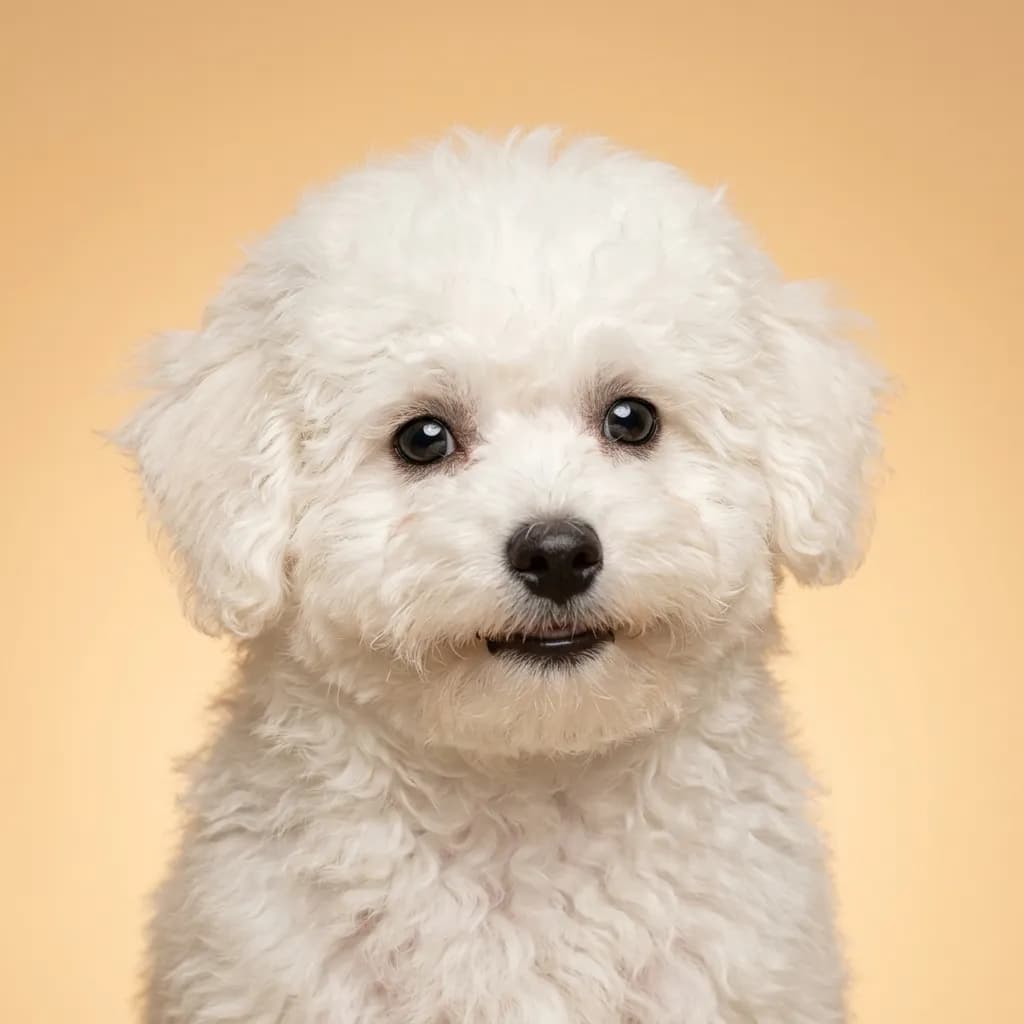
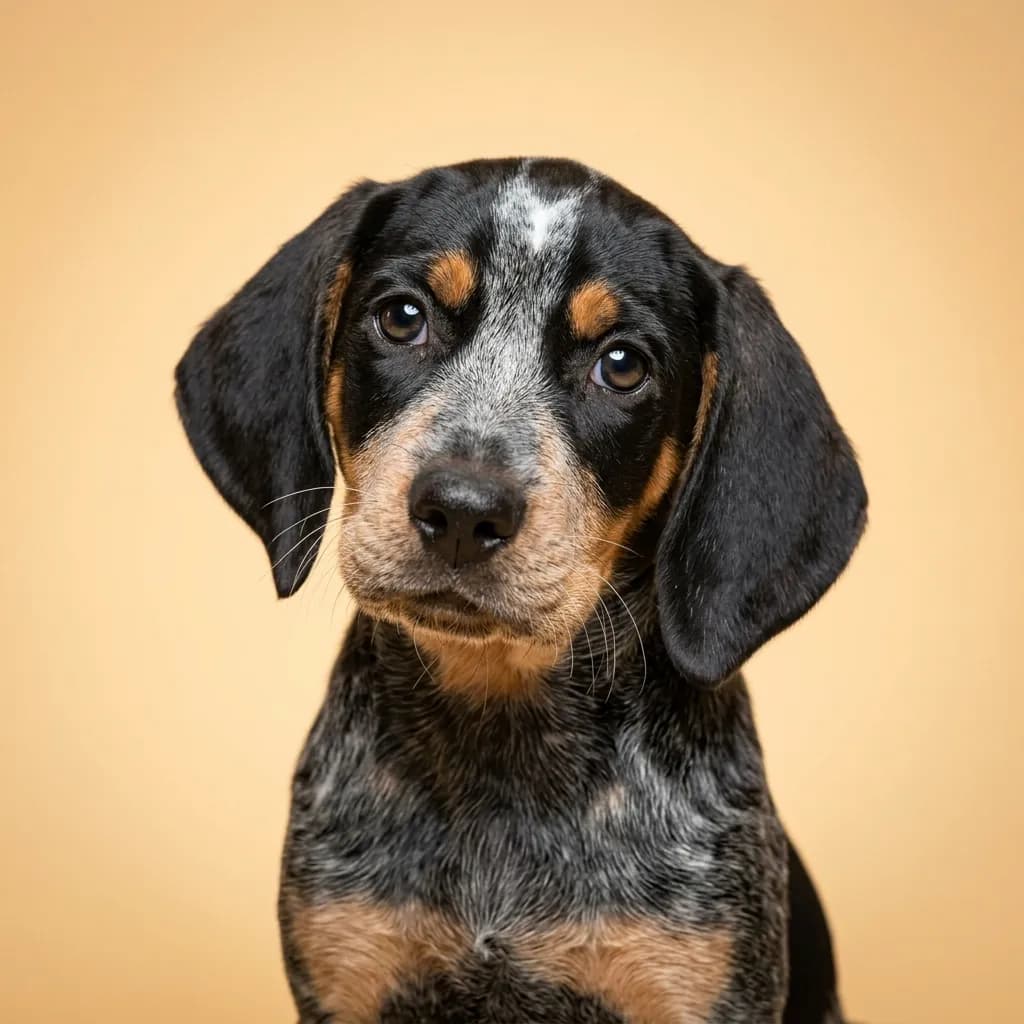
You’re probably not comparing a Bichon Frise and a Bluetick Coonhound because they look anything alike. One’s a powder puff in a teacup, the other a rugged, howling hound built for tracking raccoons through swampy backwoods. But people do end up choosing between them. usually because both are friendly, moderately trainable, and pop up in breed searches for “good with families.” That’s where the similarities end. The Bichon is a cheerful, velcro dog who lives to be part of your day. He’ll adapt to a city apartment or a house, as long as you’re around. He’s low-shedding but high-maintenance in grooming. think monthly trips to the groomer, not just a quick brush. He’s great with kids, loves cuddles, and will follow you to the bathroom. But leave him alone too long and he’ll bark or chew your shoes out of boredom. The Bluetick? He’s not a lap dog. He’s a working hound with a nose that never quits and a voice that carries for miles. You don’t own a Bluetick. You manage him. He needs space, a secure fence, and daily mental and physical challenges. He’s affectionate in his own stoic way but not clingy. Good with older, respectful kids, but his size and energy can knock over toddlers. Your choice comes down to lifestyle. Want a portable, people-focused companion who thrives in routines and doesn’t mind a small space? Go Bichon. But if you’re active, live in the country, and want a loyal co-pilot for outdoor adventures, the Bluetick’s your guy. Here’s the real talk: the Bichon seems easier but demands constant social connection. The Bluetick seems harder but just wants a job and your presence. Pick based on who you are, not who you think you’ll become.
Trait-by-trait
Higher bar = more of that trait. Shedding, barking, drooling, grooming flipped for readability.Where they diverge
Choose the Bichon Frise if…
- Apartments
- Seniors
- Families
- You value coat grooming — Bichon Frise scores noticeably higher.
Choose the Bluetick Coonhound if…
- Active people
- Hunters
- Rural homes
- You value shedding level — Bluetick Coonhound scores higher here.