Bichon Frise vs Maltese
Side-by-side comparison across all 14 AKC trait ratings, with a clear verdict on which breed fits which kind of household.
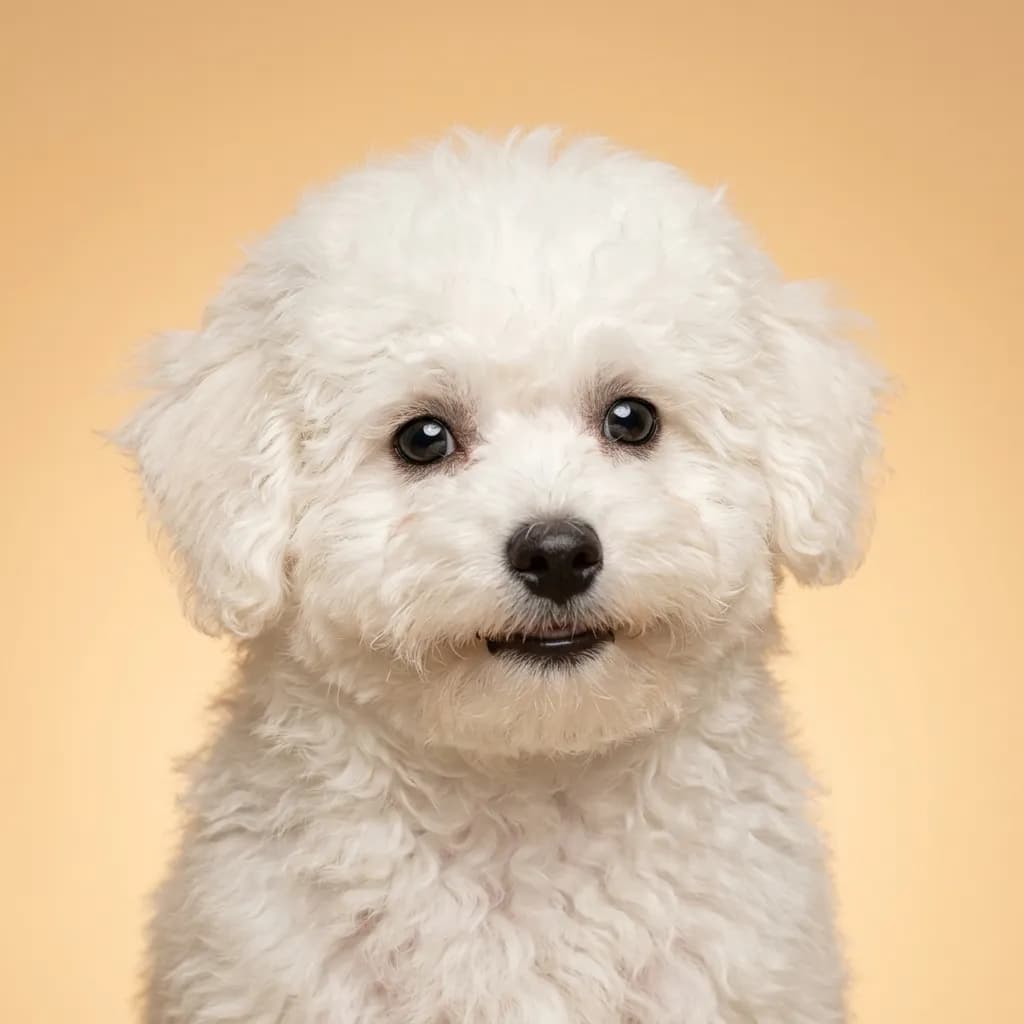
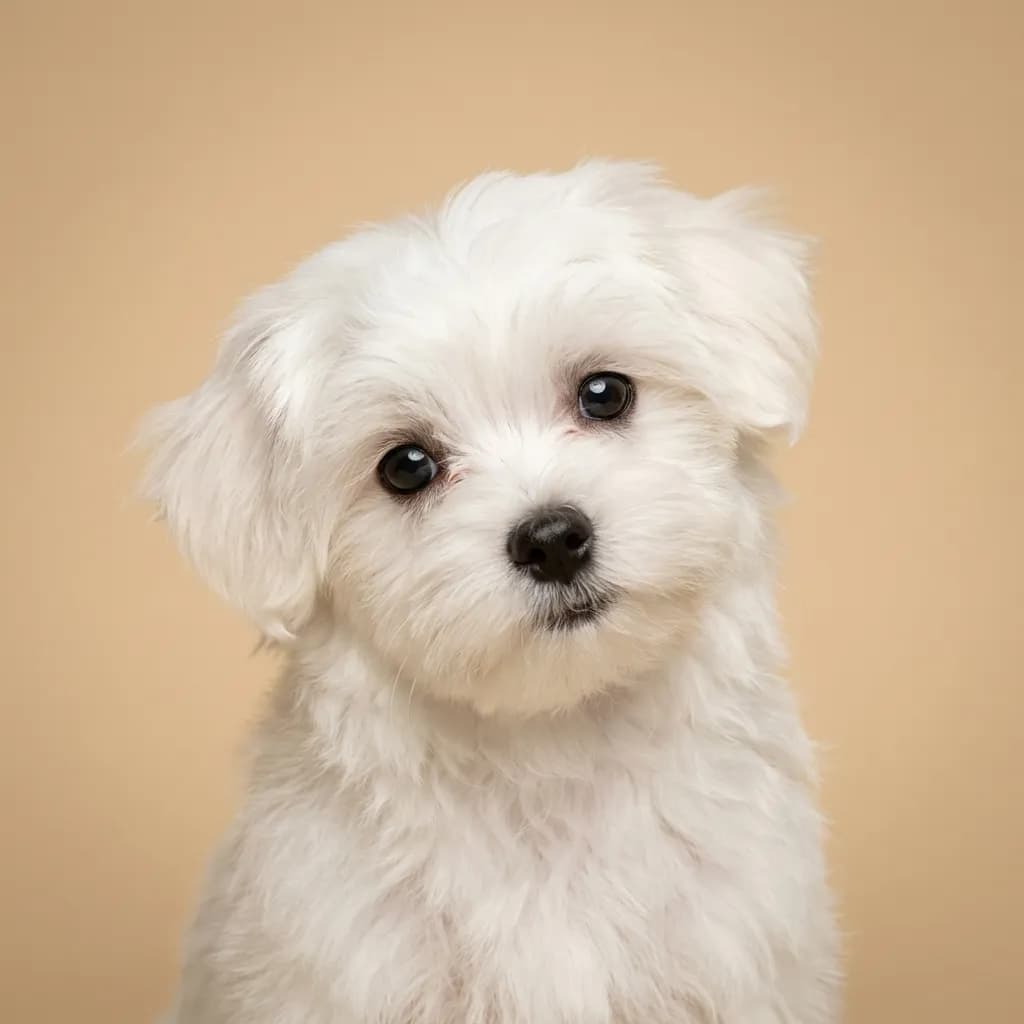
Not sure which breed fits your life?
Answer five questions about your home, your schedule, and your tolerance for shedding. We’ll match you to your top three breeds from over 200.
Bichon Frise vs Maltese
People compare Bichon Frises and Maltese because they look the same in photos. fluffy white puffballs that fit in a tote bag. But live with both and you’ll see they’re totally different roommates. The Bichon is the clown who bounces off the walls at 7 a.m. and learns tricks just to hear you laugh. The Maltese is the velvety lap diplomat who’d rather nap on your sweater than zoom around the living room. Size matters here. The Maltese is often under 7 pounds. tiny enough that an overenthusiastic toddler could hurt them by accident. That’s why they’re not ideal for homes with little kids, despite their sweet nature. Bichons are sturdier at up to 18 pounds, more forgiving of clumsy hugs, and rate higher for kid-friendliness. If you’ve got a busy family, the Bichon’s resilience wins. Grooming? Both need it weekly, no shortcuts. But here’s the real talk: Bichons are slightly easier to train. Their 4/5 trainability means they pick up potty training and cues faster, which is huge for first-time owners. Maltese can be a little more stubborn, and their 3/5 trainability means patience is non-negotiable. The Bichon’s higher energy means they need more playtime and mental engagement. If you’re gone 10 hours a day, they’ll struggle. Maltese adapt just as well to routine but are content with less activity. great for seniors who want a warm pocket of fur on their lap. One insight no breeder brochure mentions: Bichons thrive on chaos. They want to be part of every conversation, every meal, every Netflix binge. Maltese are more selective. They’ll love you deeply, but on their terms. If you want a shadow, get a Bichon. If you want a graceful companion who tolerates your existence with elegance, go Maltese.
Trait-by-trait
Higher bar = more of that trait. Shedding, barking, drooling, grooming flipped for readability.Where they diverge
Choose the Bichon Frise if…
- Apartments
- Seniors
- Families
- You value good with young children — Bichon Frise scores noticeably higher.
Choose the Maltese if…
- Apartment living
- Allergy sufferers
- Seniors
- You value watchdog / protective — Maltese scores higher here.