Bichon Frise vs Samoyed
Side-by-side comparison across all 14 AKC trait ratings, with a clear verdict on which breed fits which kind of household.
Not sure which breed fits your life?
Answer five questions about your home, your schedule, and your tolerance for shedding. We’ll match you to your top three breeds from over 200.
Bichon Frise vs Samoyed
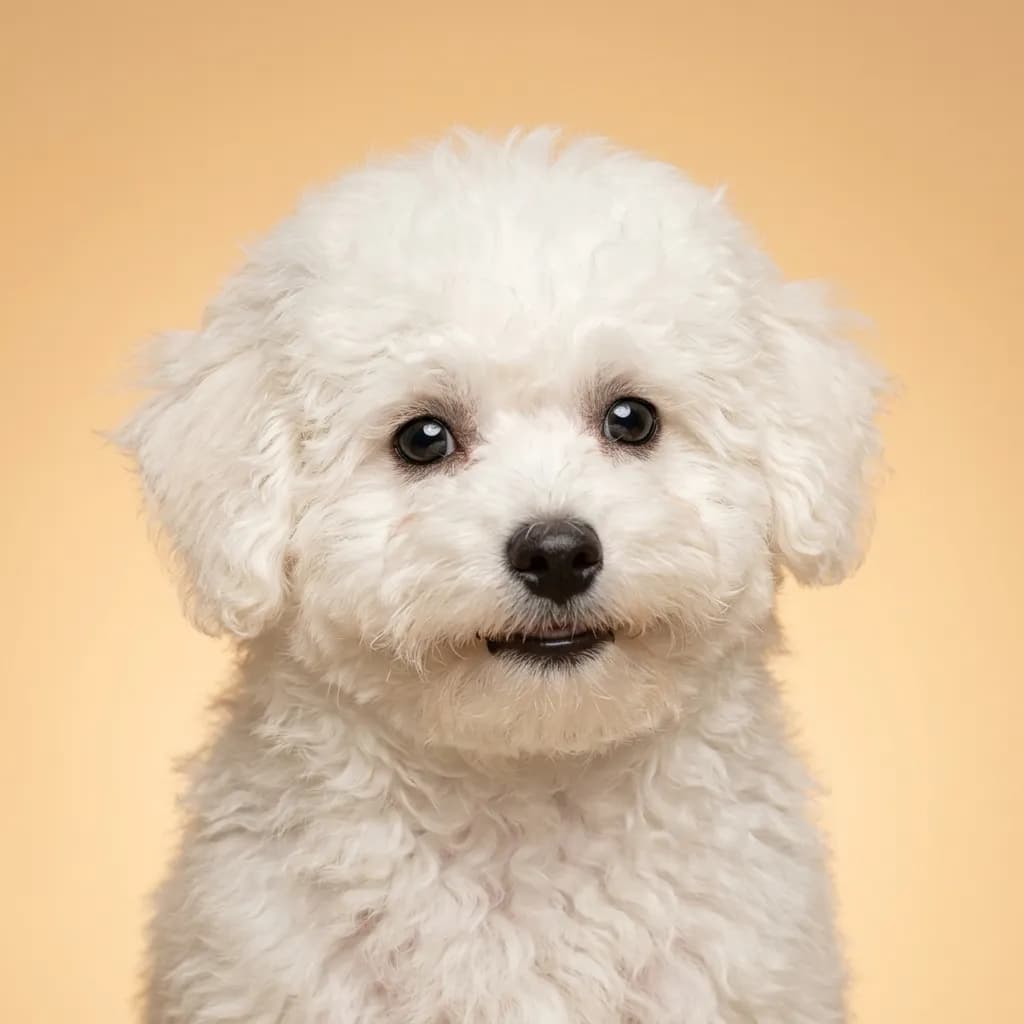
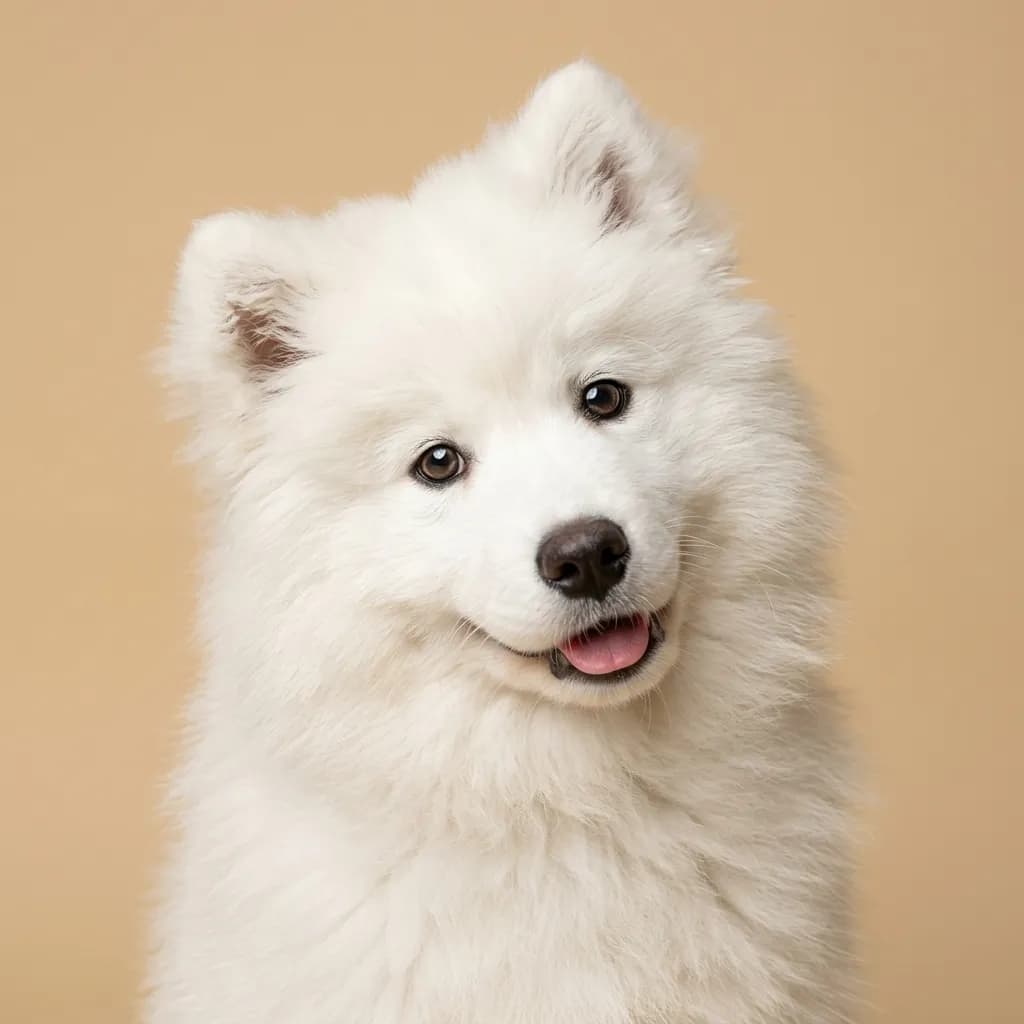
People compare Bichon Frises and Samoyeds because both are fluffy, white, and look like walking cotton balls that smile. But don’t let the color fool you. these breeds come from different worlds. The Bichon is a tiny court jester from Renaissance Europe, bred to charm nobles in silk-lined laps. The Samoyed is a Siberian powerhouse, built to pull sleds and herd reindeer in subzero winds. That difference shapes everything. If you live in a studio apartment and work long hours, the Bichon might fit better. He’s light on space, adaptable to routines, and while he needs grooming, it’s on a smaller scale. You’ll bathe and clip him every few weeks, but you’re not battling Arctic undercoat. He’s also less vocal. annoying barks are more occasional complaints than full debates. He’s great with kids, seniors, and first-time owners, but he won’t do well if left alone for days; he bonds hard and fast. The Samoyed? He’s a different commitment. You’re signing up for daily brushing, seasonal shedding events that look like a blizzard indoors, and a dog that will talk to you. And the neighbors. And the mailman. They’re not barkers out of fear. they’re communicators, bred to work alongside people, and they have opinions. They thrive in cold climates and active homes where they get mental and physical challenges. If you’re into hiking, sledding, or dog sports, they’re eager partners. Here’s the real talk: both are affectionate and great with families. But the Bichon lives to love you. The Samoyed loves you but also expects you to keep up with his life. If you want a dog that feels like a warm, fuzzy roommate with strong emotional opinions and a coat like a sheep, go Samoyed. If you want a portable, cheerful companion who’s easier to manage but needs emotional attention, the Bichon’s your match.
Trait-by-trait
Higher bar = more of that trait. Shedding, barking, drooling, grooming flipped for readability.Where they diverge
Choose the Bichon Frise if…
- Apartments
- Seniors
- Families
- You value good with other dogs — Bichon Frise scores noticeably higher.
Choose the Samoyed if…
- Active families
- Cold climate households
- Dog sports enthusiasts
- You value shedding level — Samoyed scores higher here.