Bichon Frise vs Swedish Vallhund
Side-by-side comparison across all 14 AKC trait ratings, with a clear verdict on which breed fits which kind of household.
Not sure which breed fits your life?
Answer five questions about your home, your schedule, and your tolerance for shedding. We’ll match you to your top three breeds from over 200.
Bichon Frise vs Swedish Vallhund
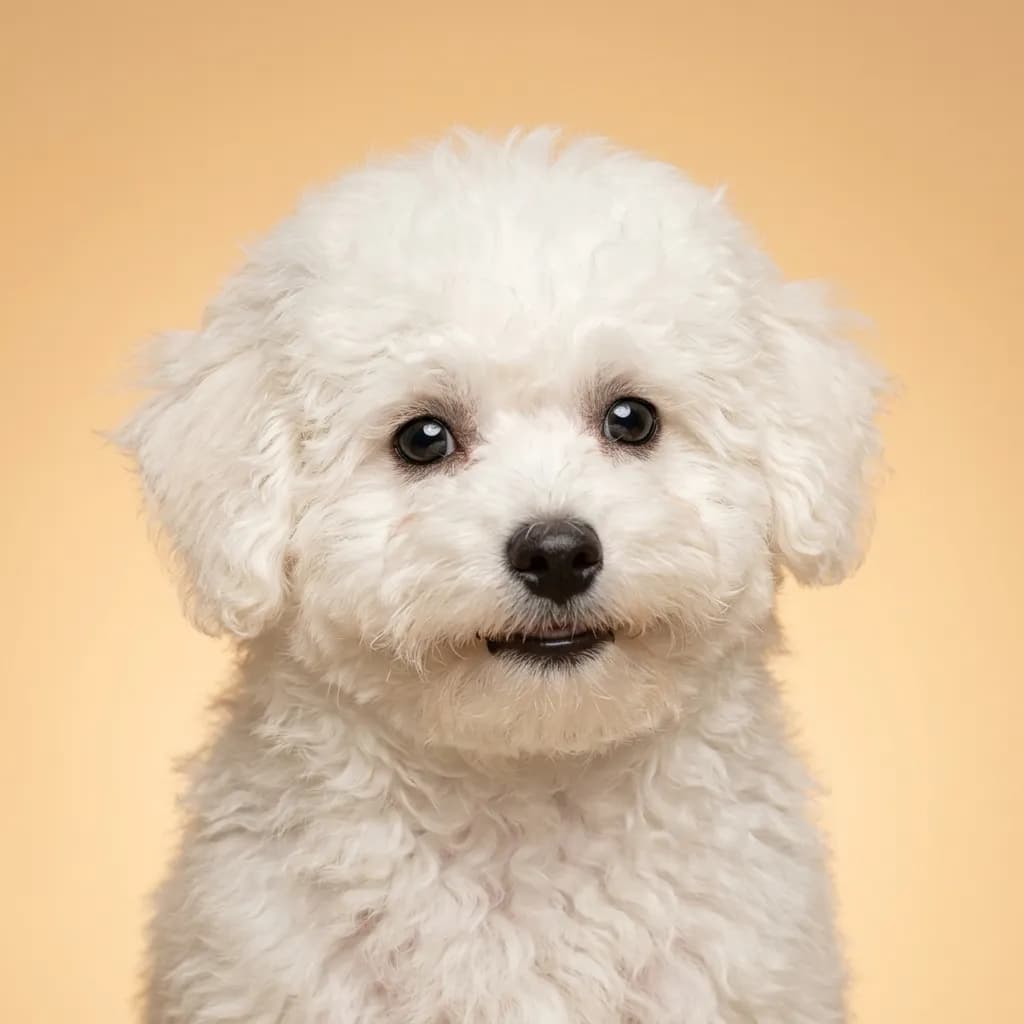
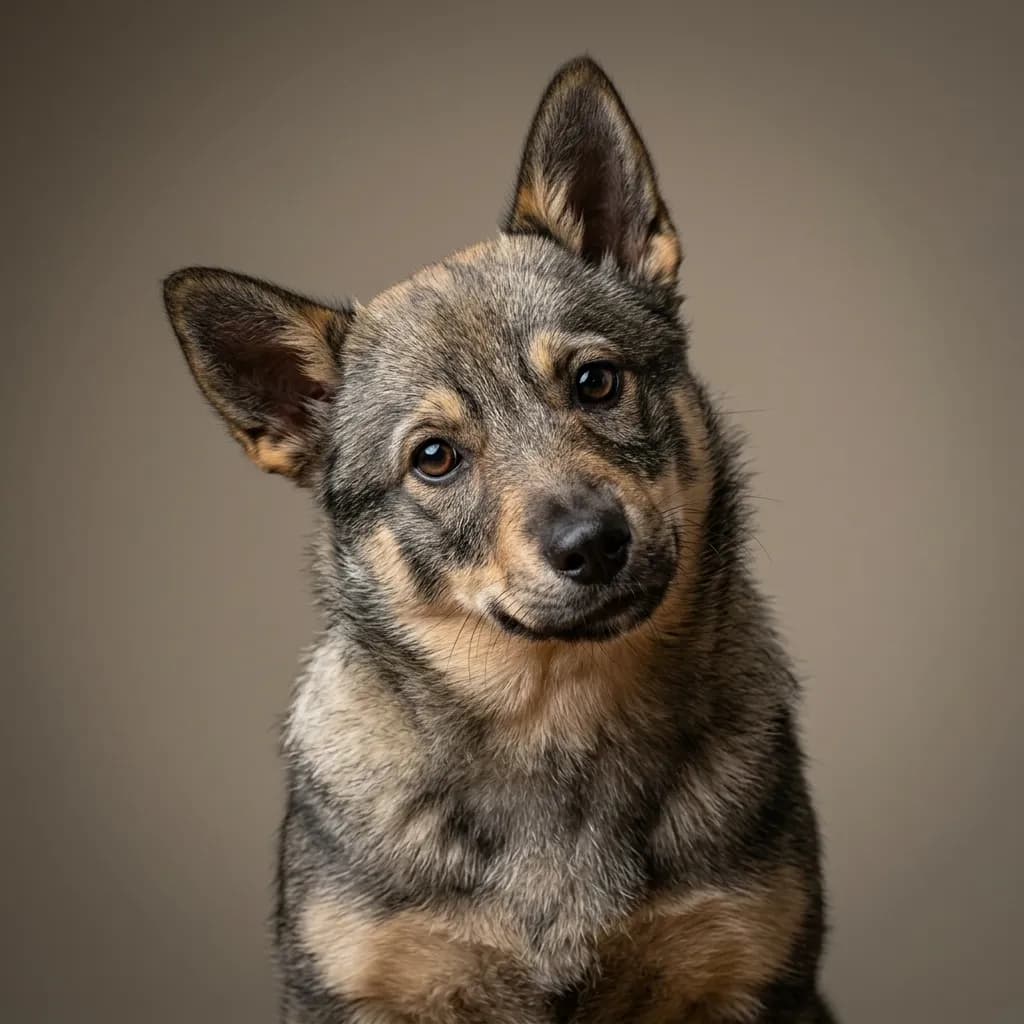
People compare Bichon Frises and Swedish Vallhunds because they’re both small, sturdy dogs with big personalities and tails that wag like they mean it. But that’s where the similarity ends. If the Bichon is the cheerful, powder-puff court jester bred to charm nobles on a velvet couch, the Vallhund is the scrappy Viking farmhand who herded cattle all day and then curled up by the fire, proud and alert. Both are smart and affectionate, yes, and great with kids, but their energy lives in different dimensions. The Bichon thrives on companionship. You’ll want to be home often. this isn’t a breed that does well being crated all day while you work. They’re low-shedding but high-maintenance when it comes to grooming; expect weekly salon visits unless you’re ready to learn clipping and brushing like a pro. They’re adaptable, doing well in apartments or houses, as long as they get daily walks and playtime. The Vallhund is tougher, literally and figuratively. They shed. don’t be fooled by their manageable length. and they’ve got a herding instinct that can turn your toddler into a “livestock” if you’re not consistent with training. They need a job, even if it’s just agility classes or advanced obedience. A bored Vallhund will rearrange your backyard or bark at every leaf that falls. Here’s the real talk: the Bichon wants to be your emotional support animal, always in your lap or at your heels. The Vallhund wants to be your partner, not just your pal. If you’re active, love outdoor adventures, and want a dog with history in its bones, go Vallhund. If you want a joyful, resilient companion who’s basically a dog-shaped mood booster and don’t mind the grooming, the Bichon’s your match.
Trait-by-trait
Higher bar = more of that trait. Shedding, barking, drooling, grooming flipped for readability.Where they diverge
Choose the Bichon Frise if…
- Apartments
- Seniors
- Families
- You value coat grooming — Bichon Frise scores noticeably higher.
Choose the Swedish Vallhund if…
- Active families
- Dog sports enthusiasts
- First-time dog owners willing to train
- You value shedding level — Swedish Vallhund scores higher here.