Black Russian Terrier vs Schipperke
Side-by-side comparison across all 14 AKC trait ratings, with a clear verdict on which breed fits which kind of household.
Not sure which breed fits your life?
Answer five questions about your home, your schedule, and your tolerance for shedding. We’ll match you to your top three breeds from over 200.
Black Russian Terrier vs Schipperke
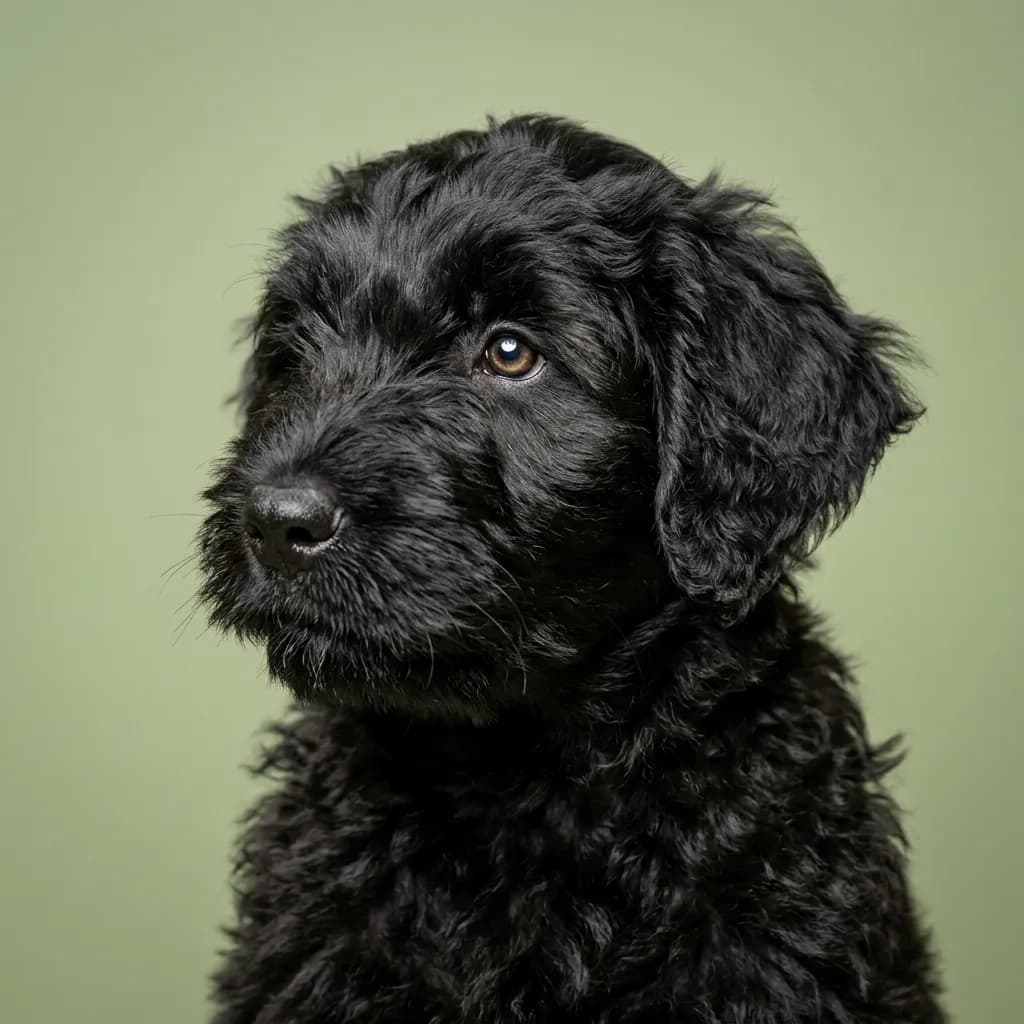
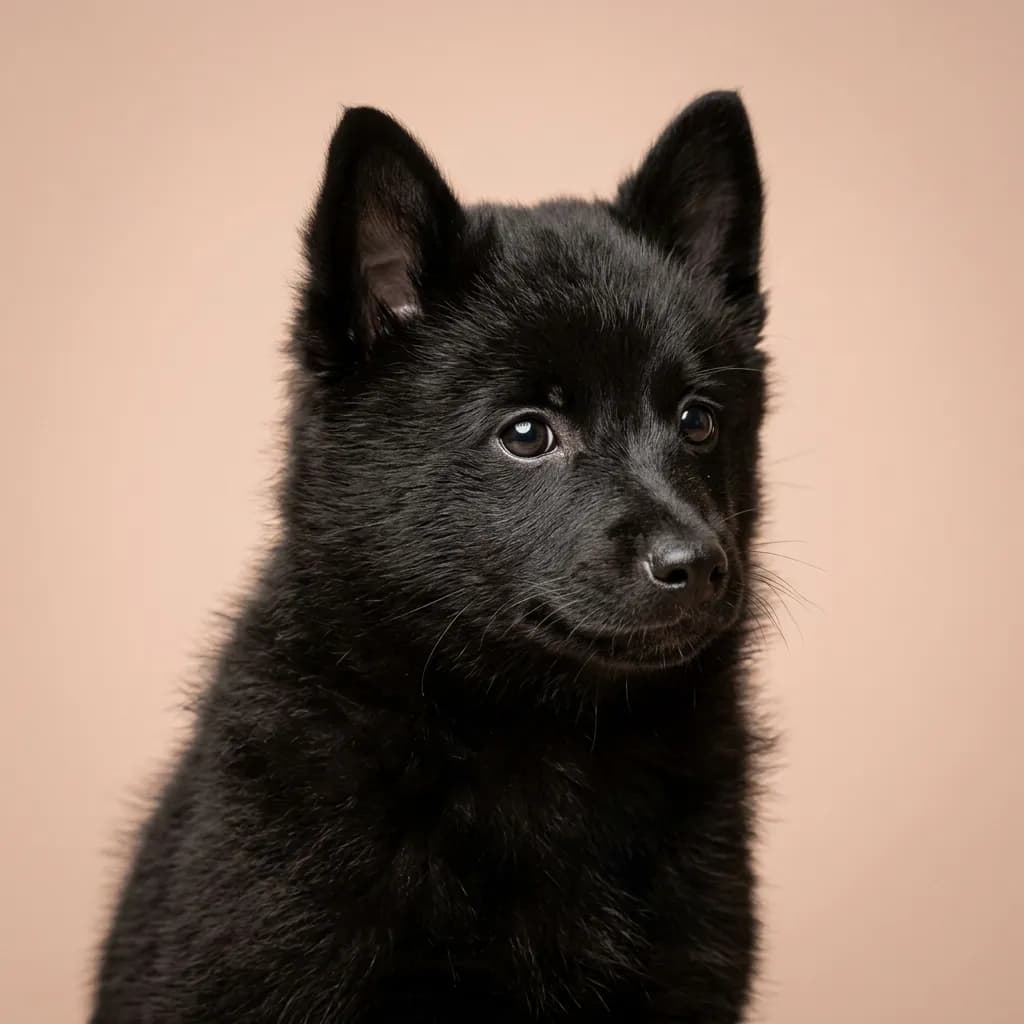
You’re probably not cross-shopping a 120-pound Soviet-era guard dog and a 12-pound Belgian barge ratter because they look alike. You’re comparing them because both are rare, both look like little black tanks, and both carry themselves with a seriousness way beyond their size. But that’s where the similarity ends. The Black Russian Terrier is a project. He’s big, powerful, and built for cold, rugged work. You don’t just own a Black Russ; you manage him. He needs space, structure, and an owner who’s already read the manual on dog behavior. He’s calm indoors but demands daily physical and mental work. think long hikes, obedience drills, or protection sports. He’s not the best with toddlers simply because he’s so massive, and a playful shove could knock over a small kid. Families with teens who want a loyal, impressive dog and live near a farm or in a cold climate? This is your breed. The Schipperke, meanwhile, is a pocket-sized daredevil with a fox-like face and zero awareness of his size. He’s bold, affectionate, and will bark at the toaster if it pops too loud. He’s great in a house with a yard, but you’ll need to watch him around cats or hamsters. he still remembers his vermin-hunting roots. He bonds deeply with his people and thrives on being involved. But don’t expect a lap snoozer; he’s always on patrol. Here’s the real difference: the Black Russian Terrier is a commitment to stewardship. The Schipperke is a 14-year-long adventure with a tiny, fearless companion. Pick the Black Russ if you want a working partner. Pick the Schipperke if you want a hero in a small coat.
Trait-by-trait
Higher bar = more of that trait. Shedding, barking, drooling, grooming flipped for readability.Where they diverge
Choose the Black Russian Terrier if…
- Experienced owners
- Active people
- Cold climates
- You value coat grooming — Black Russian Terrier scores noticeably higher.
Choose the Schipperke if…
- Active owners
- Those wanting a small but bold breed
- Suburban or rural settings
- You value affectionate w/ family — Schipperke scores higher here.