Black Russian Terrier vs Tornjak
Side-by-side comparison across all 14 AKC trait ratings, with a clear verdict on which breed fits which kind of household.
Not sure which breed fits your life?
Answer five questions about your home, your schedule, and your tolerance for shedding. We’ll match you to your top three breeds from over 200.
Black Russian Terrier vs Tornjak
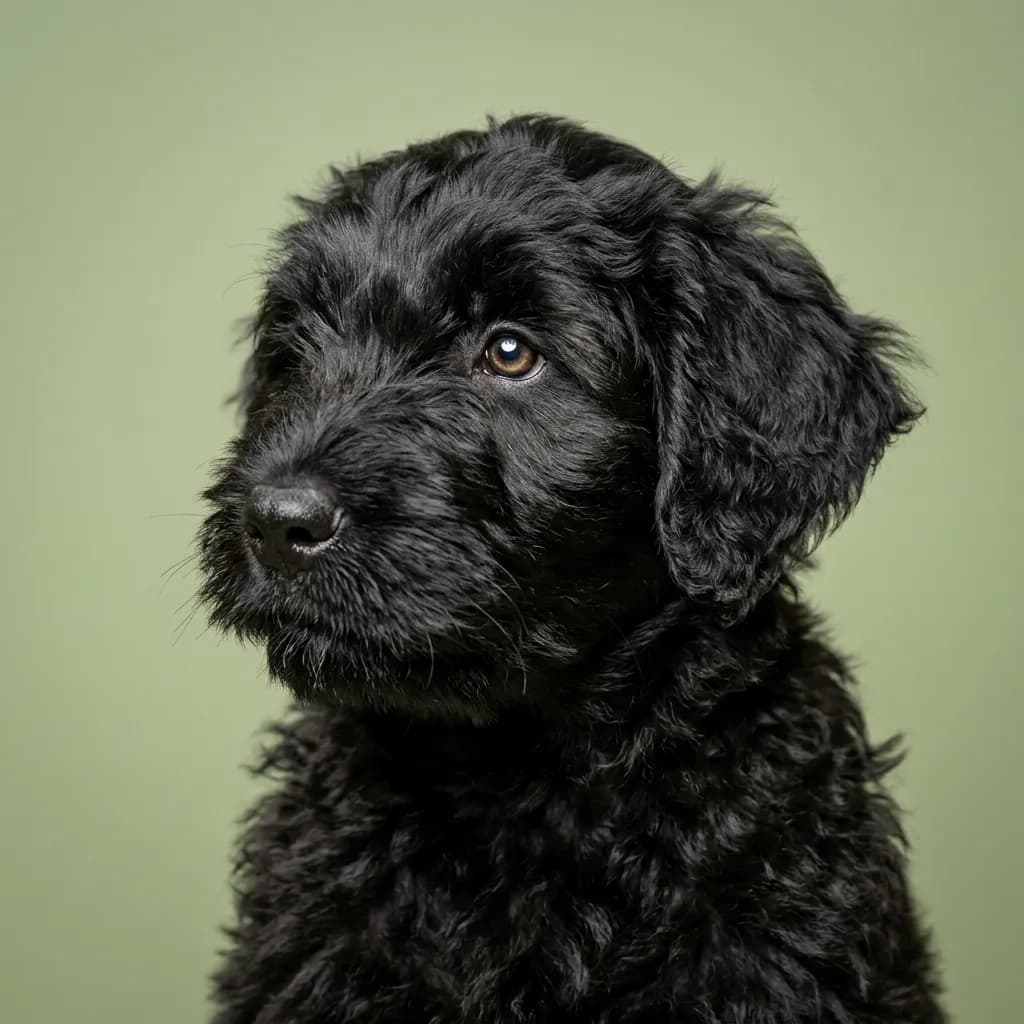
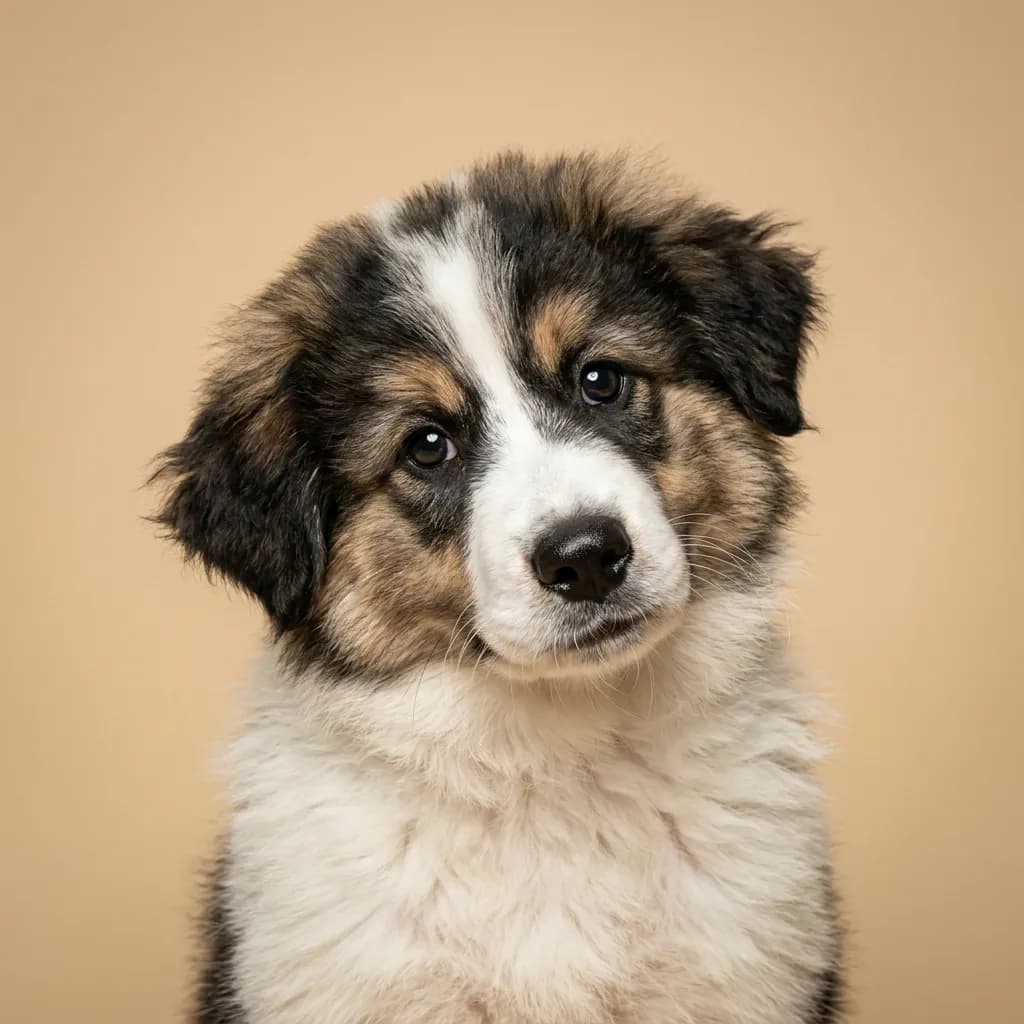
People compare the Black Russian Terrier and Tornjak because they’re both big, bearded guardians built for cold climates and serious jobs. At first glance, they look like distant cousins. thick coats, imposing builds, calm around threats. But if you’re choosing between them, the real story isn’t in their size. It’s in what they expect from you. The Black Russian Terrier is a polished tank. Bred for Soviet military work, it’s intensely intelligent, eager to learn, and thrives on structure. You’ll need to keep its mind busy or it’ll find its own job. like dismantling your fence. It’s slightly more adaptable, can handle a large suburban yard, and responds well to consistent training. But it’s not a cuddler. Affection is earned, not given freely, and it can be too much dog for homes with toddlers. The Tornjak? It’s a gentle mountain soul. Bred to roam rugged Balkan pastures guarding flocks, it’s deeply loyal and quietly affectionate with its family. But it’s not built for suburbia. It resists obedience drills, needs space to patrol, and sheds heavily twice a year. think tumbleweeds of fur rolling down your hallway. It bonds tightly, but its independence means training takes patience, not force. Here’s the thing most breed guides won’t stress: neither of these dogs does well without a purpose. The Black Russian wants a job with clear rules. The Tornjak wants a territory and a family to watch over. If you can’t give either a role. whether protection work, advanced training, or rural homestead life. you’ll end up with a stressed, bored giant. For experienced owners with space and a mission, they’re rock-solid. For everyone else, look smaller.
Trait-by-trait
Higher bar = more of that trait. Shedding, barking, drooling, grooming flipped for readability.Where they diverge
Choose the Black Russian Terrier if…
- Experienced owners
- Active people
- Cold climates
- You value good with other dogs — Black Russian Terrier scores noticeably higher.
Choose the Tornjak if…
- Experienced large-breed owners
- Farm or rural settings
- Livestock guardian needs
- You value affectionate w/ family — Tornjak scores higher here.