Bloodhound vs Canaan Dog
Side-by-side comparison across all 14 AKC trait ratings, with a clear verdict on which breed fits which kind of household.
Not sure which breed fits your life?
Answer five questions about your home, your schedule, and your tolerance for shedding. We’ll match you to your top three breeds from over 200.
Bloodhound vs Canaan Dog
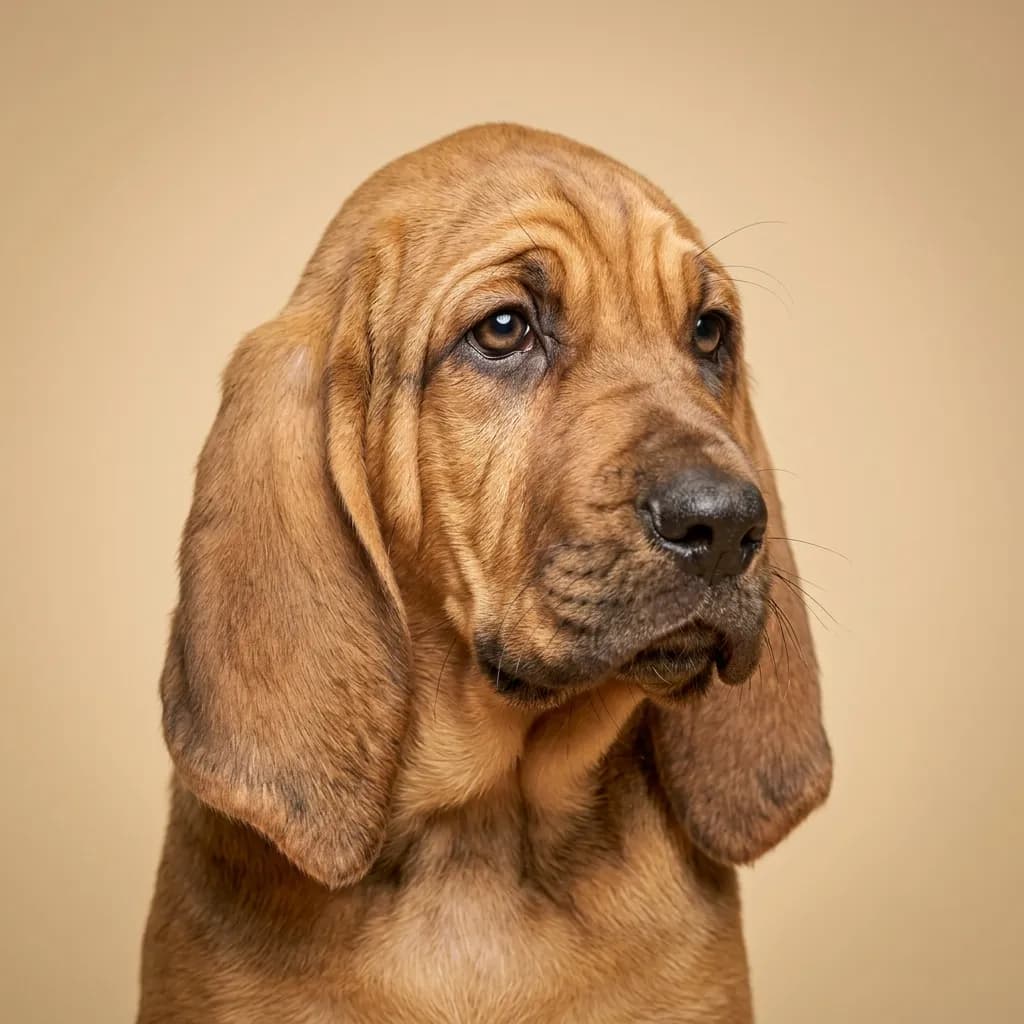
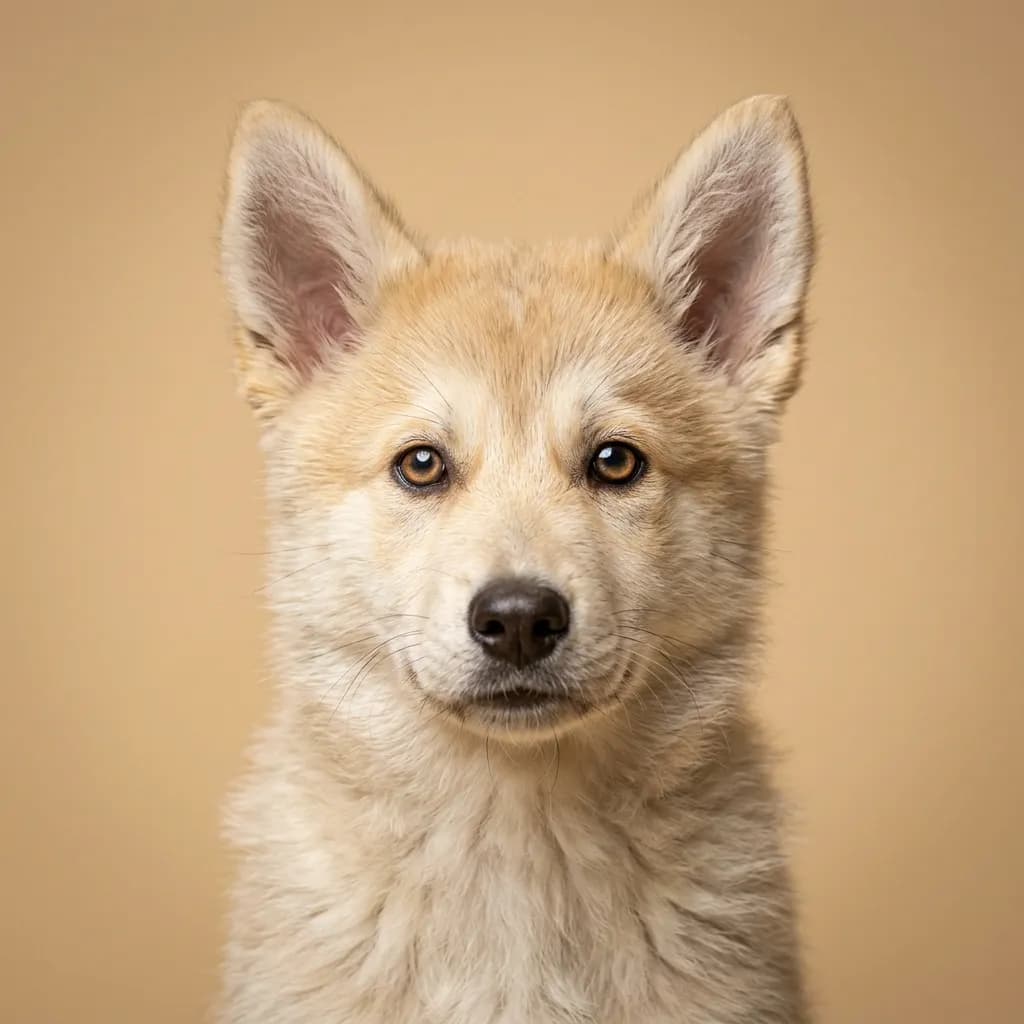
People compare Bloodhounds and Canaan Dogs because both are independent, bark a lot, and need experienced hands. But that’s where the similarities end. Think of them as two very different kinds of watchdogs. one follows scent, the other follows instinct. The Bloodhound is a gentle, droopy-eared powerhouse of smell. You’ll find them tracking missing persons across miles, not because they’re obedient robots but because that nose compels them. They’re big, heavy dogs, often over 100 pounds, with loose skin and ears that drag through puddles. They’re affectionate with family but indifferent to strangers. And yes, they bark. Deep, mournful baying that carries for blocks. If you live in an apartment or value quiet evenings, this isn’t your dog. They need space, a secure fence, and someone who won’t mind the slobber trail from water bowl to couch. The Canaan Dog is leaner, lighter, and wired differently. Originating from the deserts of Israel, they were bred to guard flocks, not trail scents. They’re alert, suspicious of outsiders, and bond tightly with their people. While also vocal, their bark is sharper, more deliberate. a warning, not a song. They’re easier to manage in size and health, often living into their mid-teens with fewer inherited issues. But they’re not cuddly. They’re watchful. They’ll side-eye your guests and may nip at small animals. First-time owners often misread their aloofness as stubbornness, but it’s just their nature. Here’s the real difference: Bloodhounds ignore distractions because they’re lost in scent. Canaan Dogs ignore you because they’re assessing threats. You don’t “own” a Canaan Dog. You earn their cooperation. Pick a Bloodhound if you want a loyal, goofy, nose-driven companion for rural adventures. Pick a Canaan Dog if you want a sharp, ancient guardian who’ll treat your backyard like a border post.
Trait-by-trait
Higher bar = more of that trait. Shedding, barking, drooling, grooming flipped for readability.Where they diverge
Choose the Bloodhound if…
- Active people
- Rural homes
- Hunters
- You value drooling level — Bloodhound scores noticeably higher.
Choose the Canaan Dog if…
- Active individuals
- Experienced dog owners
- Homes with a yard
- You value watchdog / protective — Canaan Dog scores higher here.