Bloodhound vs Carolina Dog
Side-by-side comparison across all 14 AKC trait ratings, with a clear verdict on which breed fits which kind of household.
Not sure which breed fits your life?
Answer five questions about your home, your schedule, and your tolerance for shedding. We’ll match you to your top three breeds from over 200.
Bloodhound vs Carolina Dog
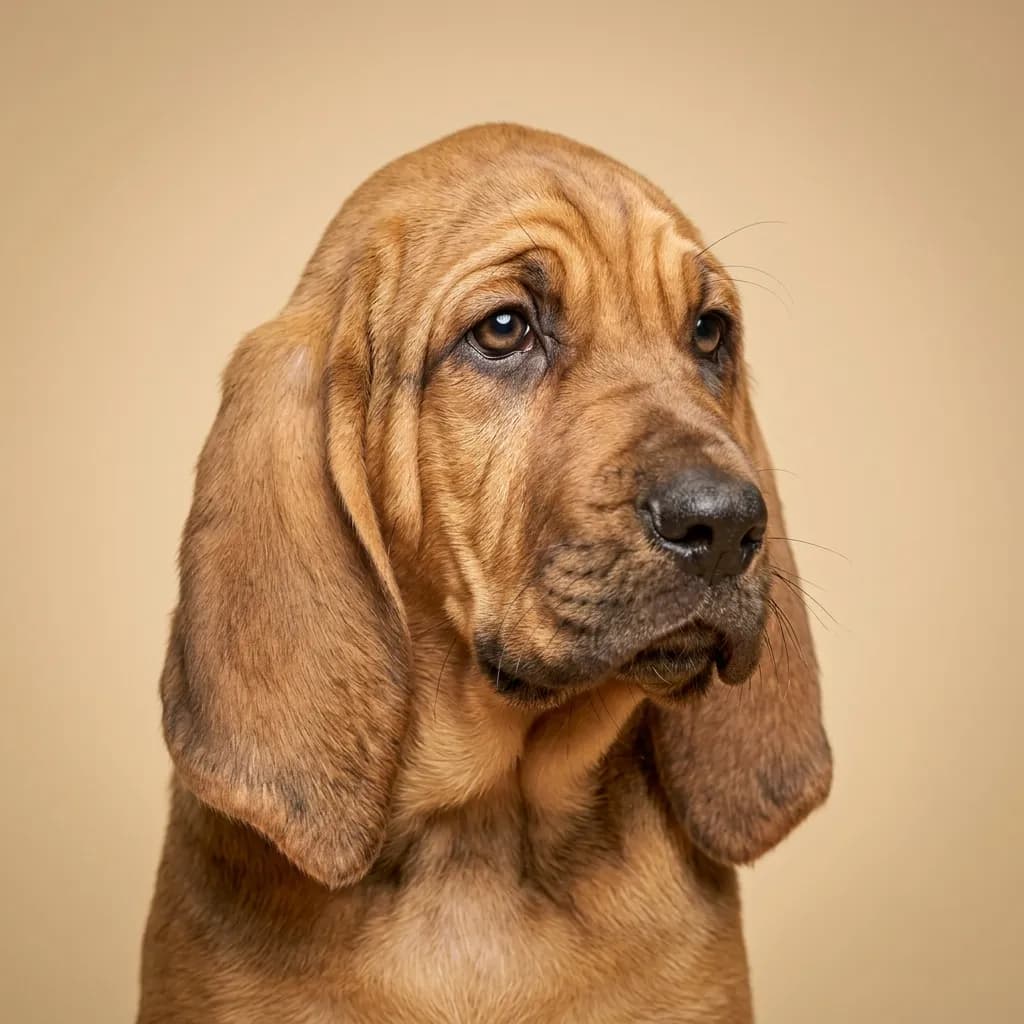
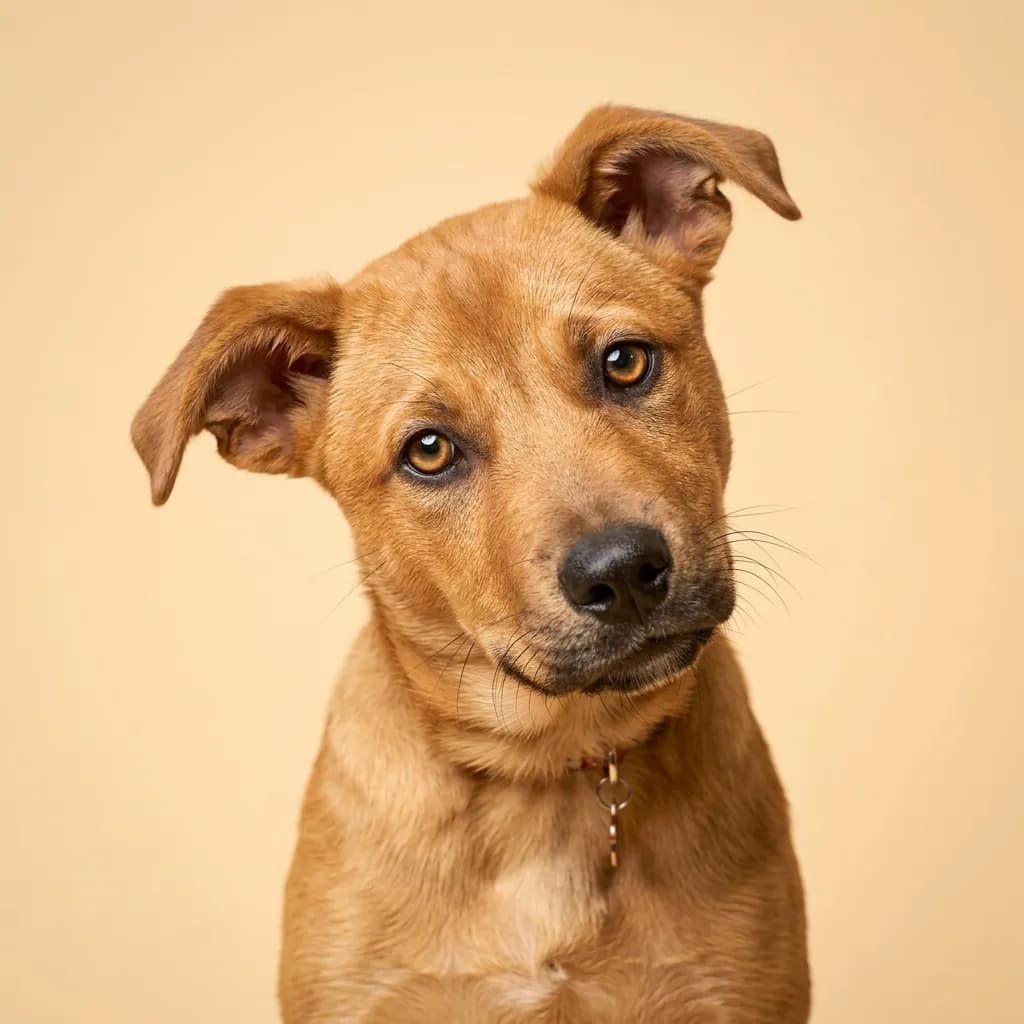
People compare Bloodhounds and Carolina Dogs because both are independent, scent-driven breeds with a wild streak, but that’s where the similarities end. One’s a gentle giant built for tracking fugitives, the other a lean survivor shaped by centuries of feral living in the Deep South. If you're imagining weekend hikes and relaxed country living with a dog that leans into your lap after a long day, the Bloodhound might feel like the choice. They’re deeply affectionate with their people, with those sad eyes and velvety ears that beg for attention. But don’t be fooled. This dog will follow a scent trail through your neighbor’s yard, over a creek, and won’t look back. They bark. A lot. And that loose skin? It traps moisture and bacteria, so ear infections and skin folds need daily checking. You need space, patience, and a solid fence. The Carolina Dog is different. It’s not trying to please you. it’s watching, assessing. More catlike than doglike in loyalty, it bonds deeply with one or two people but stays wary of strangers. You won’t find them in police work, but they’ve survived off roadkill and instinct for generations. They’re healthier, live longer, and cost less upfront, but they’re not trainable in the traditional sense. You’re not commanding this dog. You’re earning its cooperation. Here’s the real difference: Bloodhounds need a handler. Carolina Dogs need a partner. Pick the Bloodhound if you want a devoted, drooly shadow who needs structure. Pick the Carolina Dog if you’re okay with a little distance, and value resilience over affection. One is a specialist. The other is a survivor. Choose based on who you are, not who you think you’ll become.
Trait-by-trait
Higher bar = more of that trait. Shedding, barking, drooling, grooming flipped for readability.Where they diverge
Choose the Bloodhound if…
- Active people
- Rural homes
- Hunters
- You value drooling level — Bloodhound scores noticeably higher.
Choose the Carolina Dog if…
- active families
- experienced owners
- rural environments
- You value watchdog / protective — Carolina Dog scores higher here.