Bloodhound vs Caucasian Shepherd Dog
Side-by-side comparison across all 14 AKC trait ratings, with a clear verdict on which breed fits which kind of household.
Not sure which breed fits your life?
Answer five questions about your home, your schedule, and your tolerance for shedding. We’ll match you to your top three breeds from over 200.
Bloodhound vs Caucasian Shepherd Dog
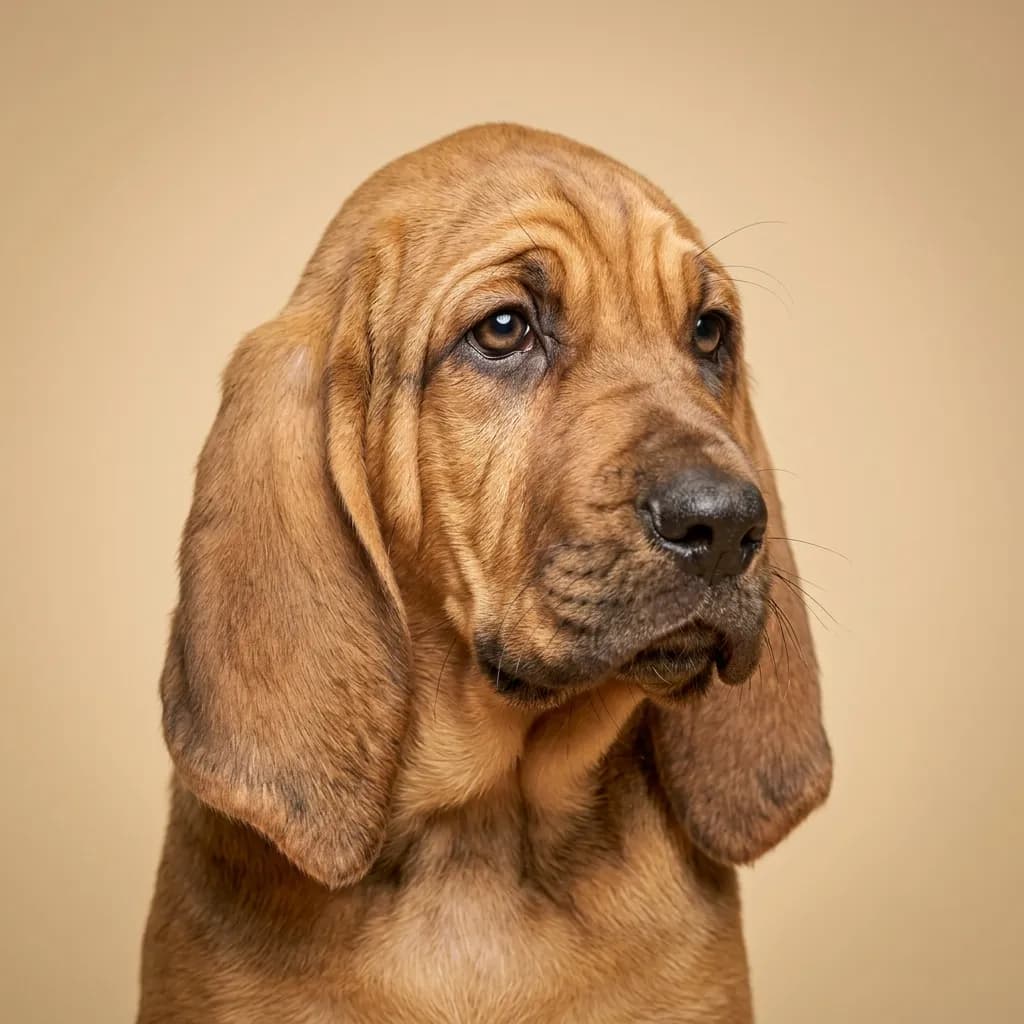
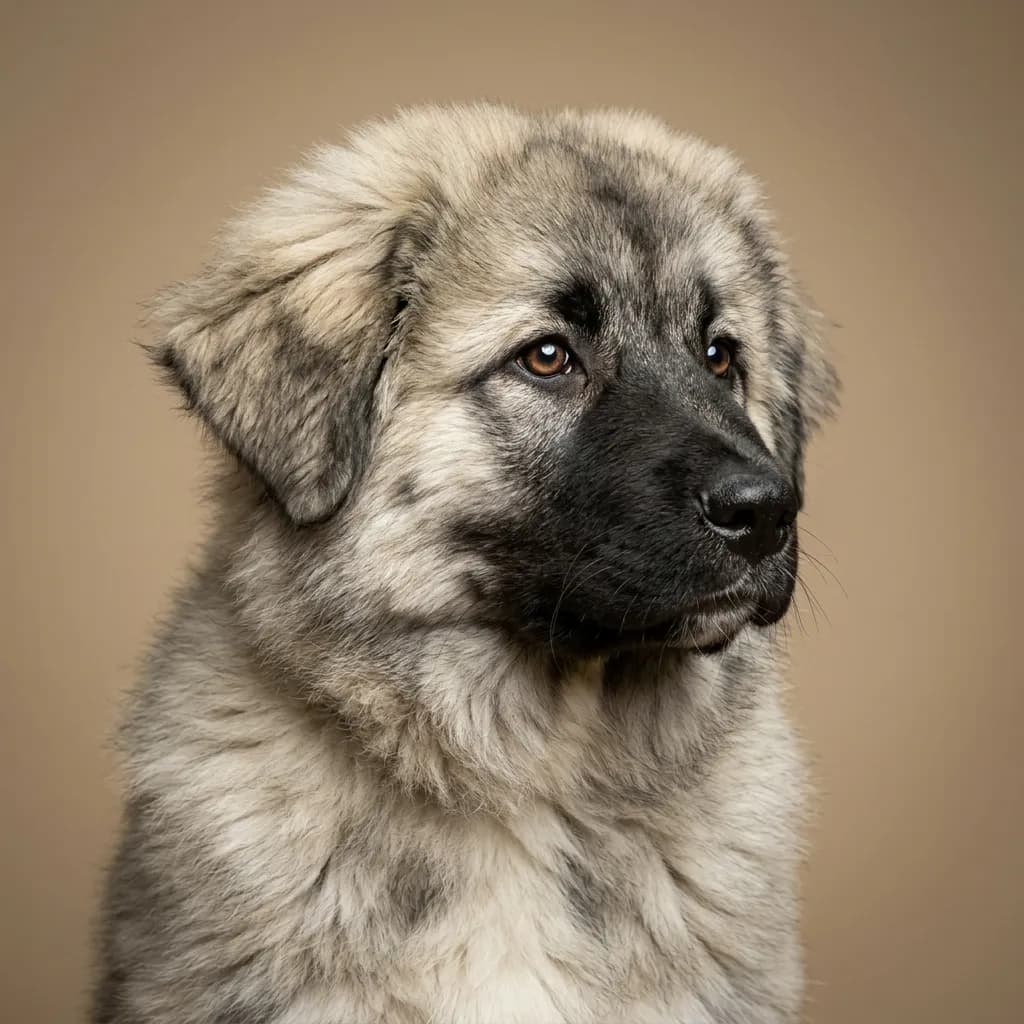
You don’t see people actually torn between a Bloodhound and a Caucasian Shepherd very often. But if you’re out there comparing them, you’re probably imagining a big, powerful dog that can handle rugged outdoor living. maybe you’ve got land, maybe you’re prepping for search and rescue, or maybe you just love massive, impressive breeds. That’s where the similarity ends. The Bloodhound is a scent-obsessed sleuth with floppy ears and a nose that’s basically a superpower. If something. or someone. went missing, this is the dog you want on the trail. They’re gentle, friendly, and surprisingly social for a hound, but they’ll bay like a foghorn and pull like a mule when they catch a whiff. You need space, a solid fence, and patience for drool and ear cleanings. They’re not guard dogs. They’ll lick an intruder’s face. The Caucasian Shepherd is the opposite. This dog isn’t tracking people. it’s stopping them. Bred to fend off wolves in the mountains of Russia, it’s a fortress on four legs. Calm but intensely territorial, it’s not eager to please or quick to train. It’s independent to a fault. You don’t own a Caucasian Shepherd. You negotiate with it. They’re less barky than you’d think, but when they act, they act decisively. Not for families with toddlers or nervous owners. Here’s the real talk: if you’re drawn to both, ask yourself whether you want a partner in adventure or a one-dog security system. The Bloodhound bonds through doing. The Caucasian Shepherd bonds through being. One follows a trail. The other becomes the boundary. Pick based on who you are, not who you wish you were.
Trait-by-trait
Higher bar = more of that trait. Shedding, barking, drooling, grooming flipped for readability.Where they diverge
Choose the Bloodhound if…
- Active people
- Rural homes
- Hunters
- You value barking level — Bloodhound scores noticeably higher.
Choose the Caucasian Shepherd Dog if…
- Experienced dog owners
- Rural or large property owners
- Those wanting a livestock guardian
- You value watchdog / protective — Caucasian Shepherd Dog scores higher here.