Bloodhound vs Dutch Shepherd
Side-by-side comparison across all 14 AKC trait ratings, with a clear verdict on which breed fits which kind of household.

Not sure which breed fits your life?
Answer five questions about your home, your schedule, and your tolerance for shedding. We’ll match you to your top three breeds from over 200.
Bloodhound vs Dutch Shepherd
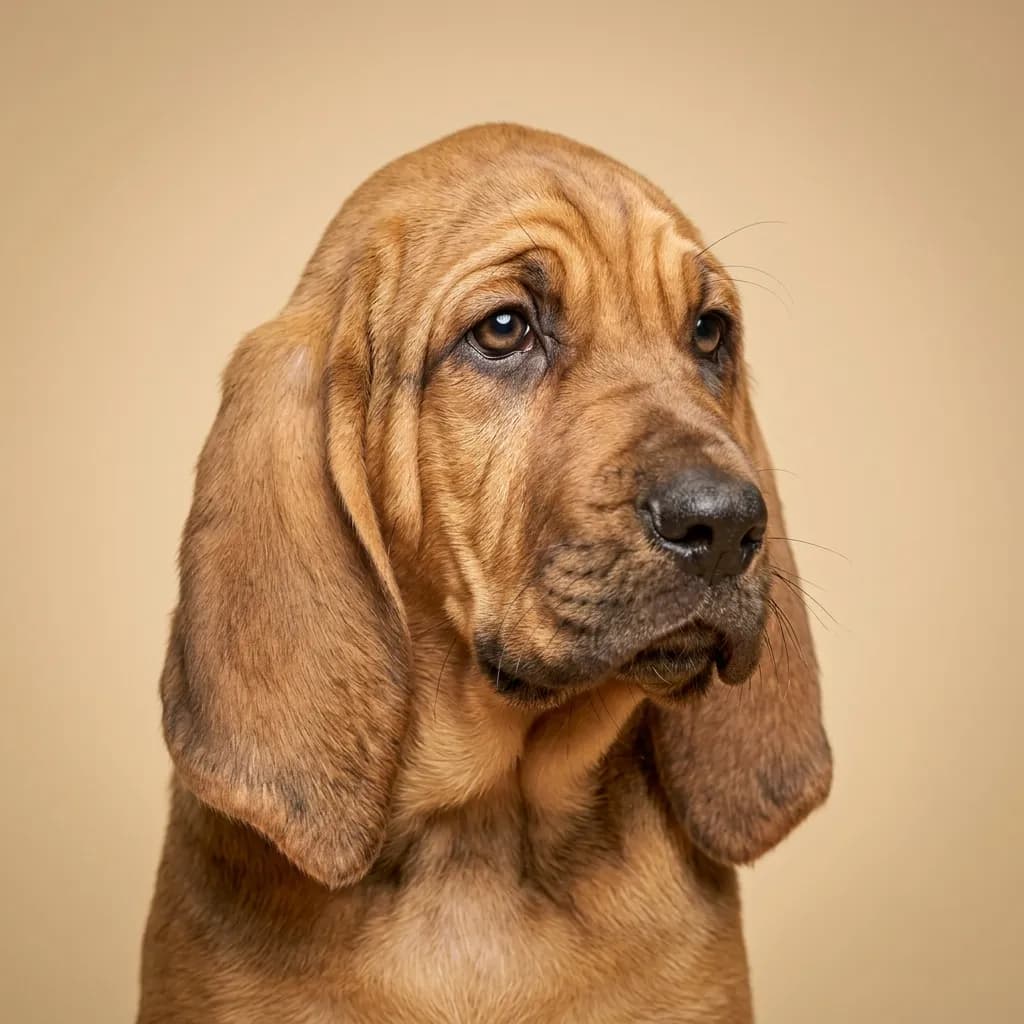
People compare Bloodhounds and Dutch Shepherds because both are working dogs with serious jobs, but they’re nothing alike once you get past the surface. You’re not choosing between two similar tools here. You’re picking between a deep-nosed detective and a high-octane farmhand with a PhD. The Bloodhound is all about the nose. literally built for it. Those droopy ears, those sad eyes, that loose skin. It’s not cute, it’s functional. This dog will track a scent for miles, ignoring everything else, and it won’t look back at you for approval. They’re friendly, sure, but they’re also stubborn as brick. You’ll need a 6-foot fence and a tolerance for baying that carries for blocks. Good luck in an apartment. Good luck keeping them off your neighbor’s trail. They’re gentle with kids but won’t entertain them like a golden retriever. And ear infections? Just part of the routine. The Dutch Shepherd is a different animal entirely. Lean, intense, and always ready to move, this dog thrives on structure. They’re not loud, but they’re never off. You’ll need hours a week for training, agility, or protection work. They bond deeply but aren’t daydreamers. They’re problem solvers. If you’re not giving them jobs, they’ll create their own. like dismantling your trash can or herding your toddlers. Here’s the real talk: Bloodhounds are single-purpose experts with the energy of a Sunday nap. Dutch Shepherds are multi-sport athletes who’ll burn out your flashlight on night patrols. Pick the Bloodhound if you want a calm(ish) home companion who moonlights in tracking. Pick the Dutch Shepherd if you’re ready for a 24/7 training partner who’ll outwork you every day. One follows a trail. The other follows you.
Trait-by-trait
Higher bar = more of that trait. Shedding, barking, drooling, grooming flipped for readability.Where they diverge
Choose the Bloodhound if…
- Active people
- Rural homes
- Hunters
- You value drooling level — Bloodhound scores noticeably higher.
Choose the Dutch Shepherd if…
- Active individuals
- Experienced dog owners
- Police and military work
- You value watchdog / protective — Dutch Shepherd scores higher here.