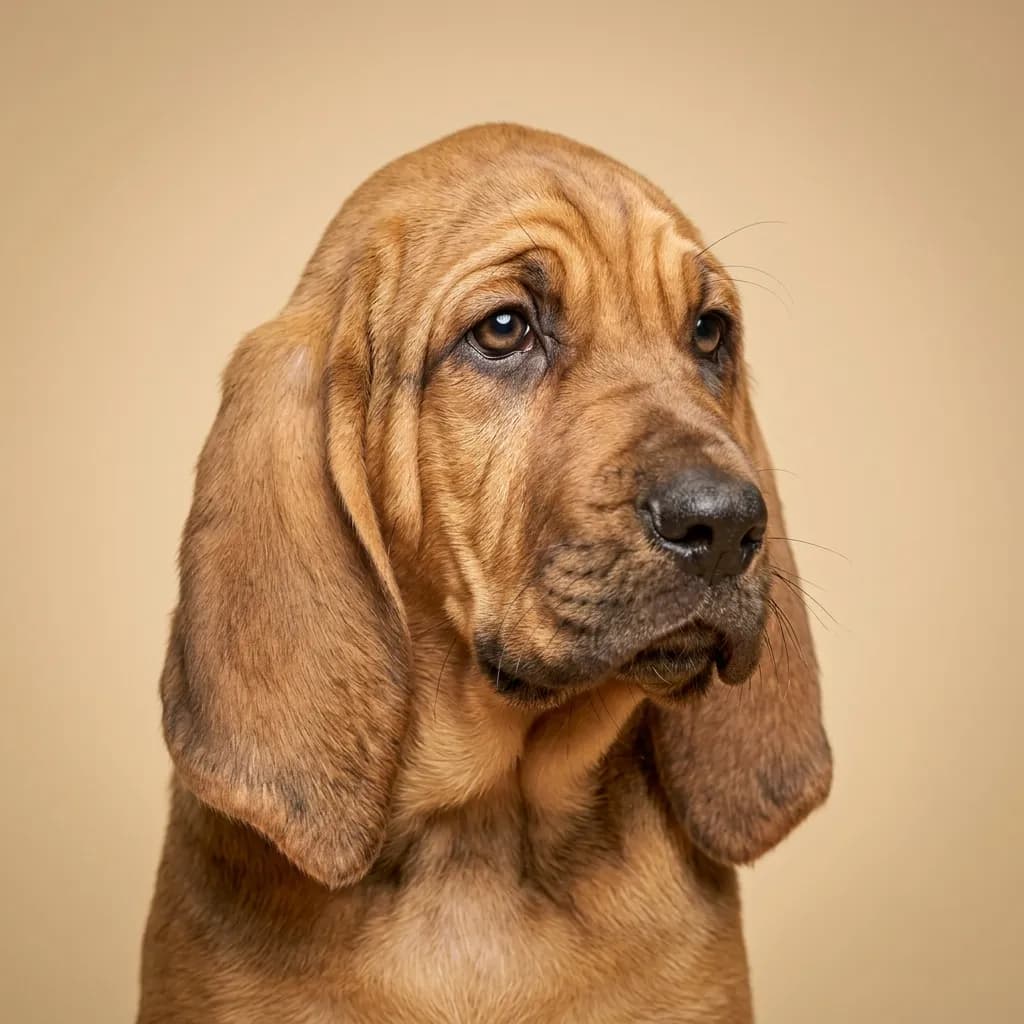
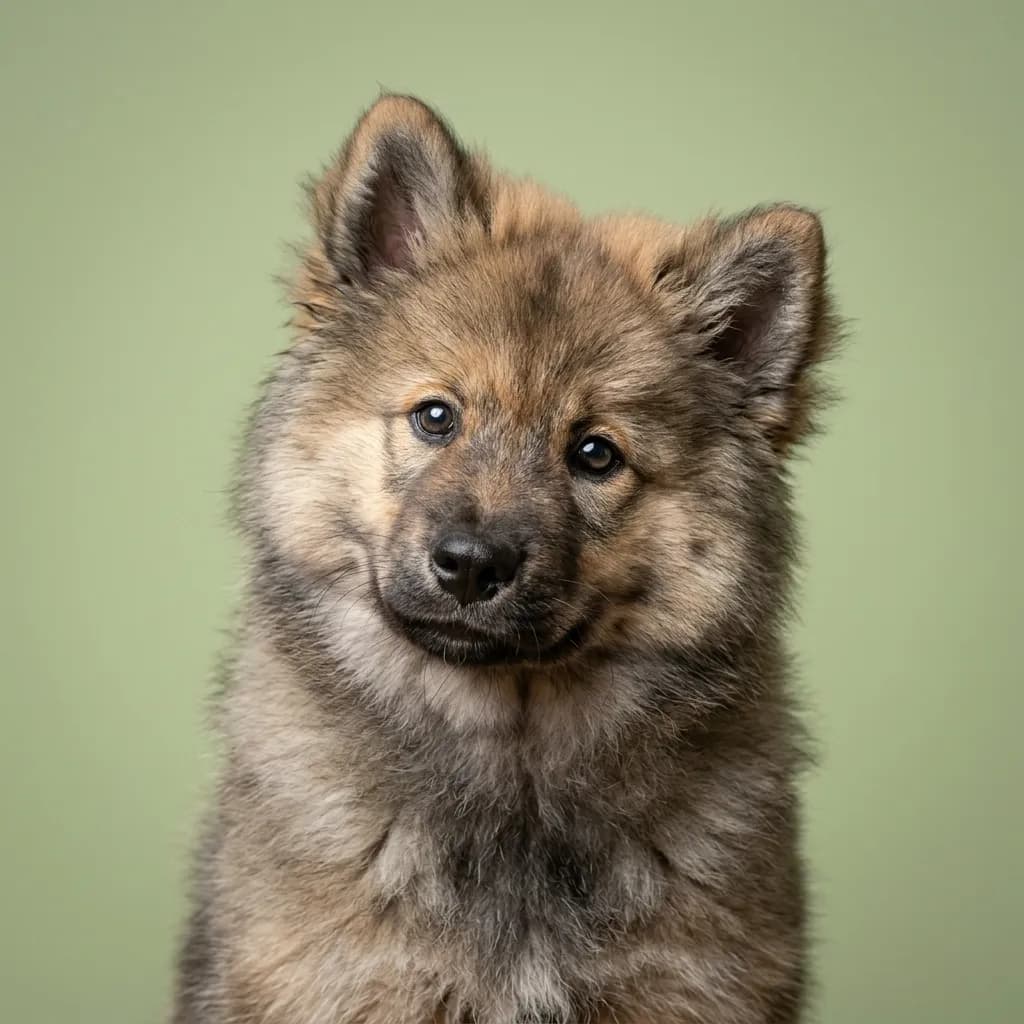
Bloodhound vs Eurasier
Side-by-side comparison across all 14 AKC trait ratings, with a clear verdict on which breed fits which kind of household.
Not sure which breed fits your life?
Answer five questions about your home, your schedule, and your tolerance for shedding. We’ll match you to your top three breeds from over 200.
Bloodhound vs Eurasier
People compare Bloodhounds and Eurasiers because both are serious, somewhat rare dogs that demand thoughtful ownership, and they share a calmness that can be misleading from the outside. But that’s where the real story diverges. The Bloodhound is all about the mission. Bred to track human scent for miles with relentless focus, it’s a scent-driven workaholic with floppy ears that collect every crumb of data. You’ll need a six-foot fence, because if a deer. or a whiff of one. crosses your yard, your dog is gone. They’re affectionate, yes, and will lean on you like a warm, drooly wall, but they’re not always listening. Training works, but only if it smells interesting. They bark at wildlife, snore like a chainsaw, and need daily ear cleanings. This dog isn’t for city life; it’s for someone with land, patience, and a tolerance for chaos. The Eurasier, by contrast, is the quiet philosopher of the dog world. Developed in Germany to be the ideal companion, it’s reserved but deeply bonded, the kind of dog that watches family dynamics like a therapist. It won’t track a fugitive, but it will sense your bad mood and press its head into your hand. Less vocal, more alert to household rhythm, it thrives on routine and cold weather. Its double coat sheds seasonally, but it’s not a slob like the Bloodhound. Kids? It’s better with them, as long as they’re respectful. Here’s the real difference: Bloodhounds live to follow their nose. Eurasiers live to be part of your quiet. You don’t just choose between breeds. you choose the kind of life you want. Pick the Bloodhound if you’re ready for adventure, mess, and purpose. Pick the Eurasier if you value depth, dignity, and a dog that feels like a gentle, steady heartbeat in your home.
Trait-by-trait
Higher bar = more of that trait. Shedding, barking, drooling, grooming flipped for readability.Where they diverge
Choose the Bloodhound if…
- Active people
- Rural homes
- Hunters
- You value drooling level — Bloodhound scores noticeably higher.
Choose the Eurasier if…
- families seeking a calm companion
- homes with children
- experienced but patient owners
- You value good with young children — Eurasier scores higher here.