Bloodhound vs Finnish Lapphund
Side-by-side comparison across all 14 AKC trait ratings, with a clear verdict on which breed fits which kind of household.
Not sure which breed fits your life?
Answer five questions about your home, your schedule, and your tolerance for shedding. We’ll match you to your top three breeds from over 200.
Bloodhound vs Finnish Lapphund
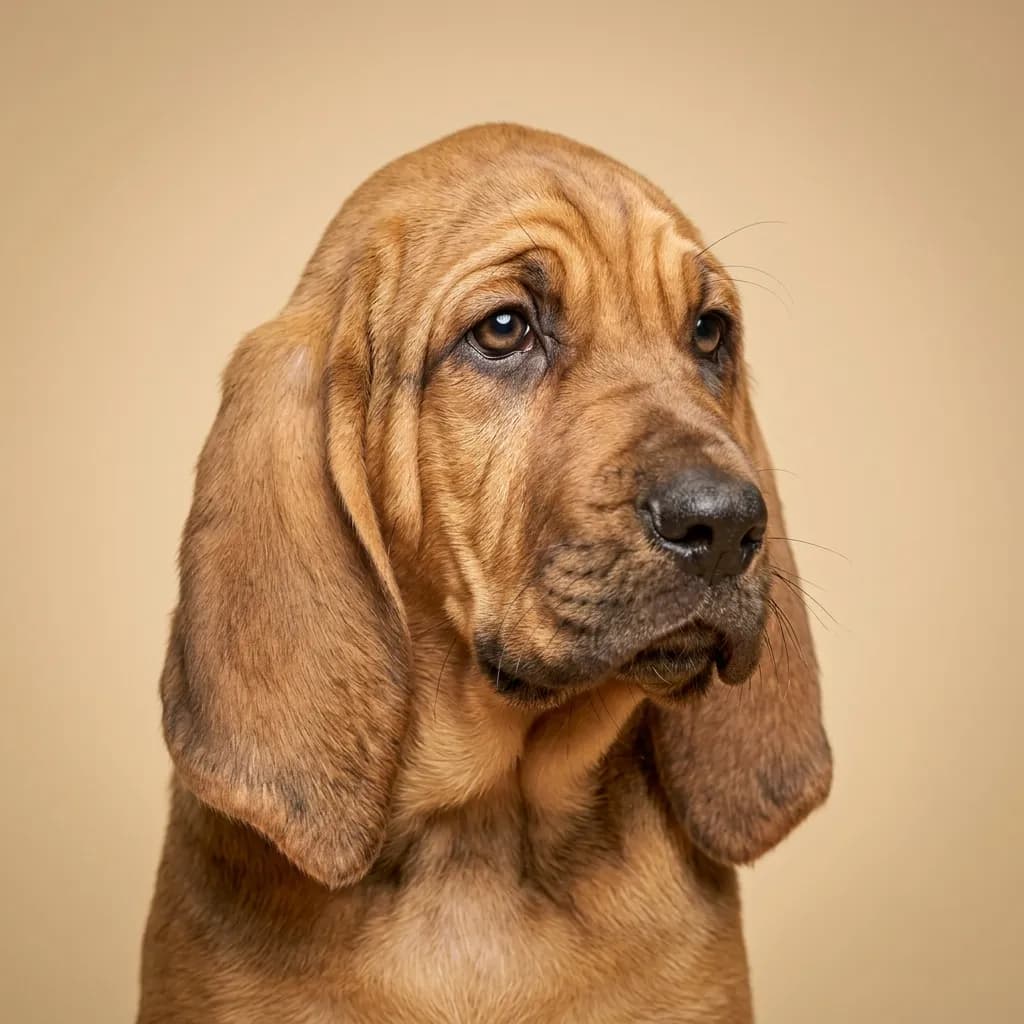
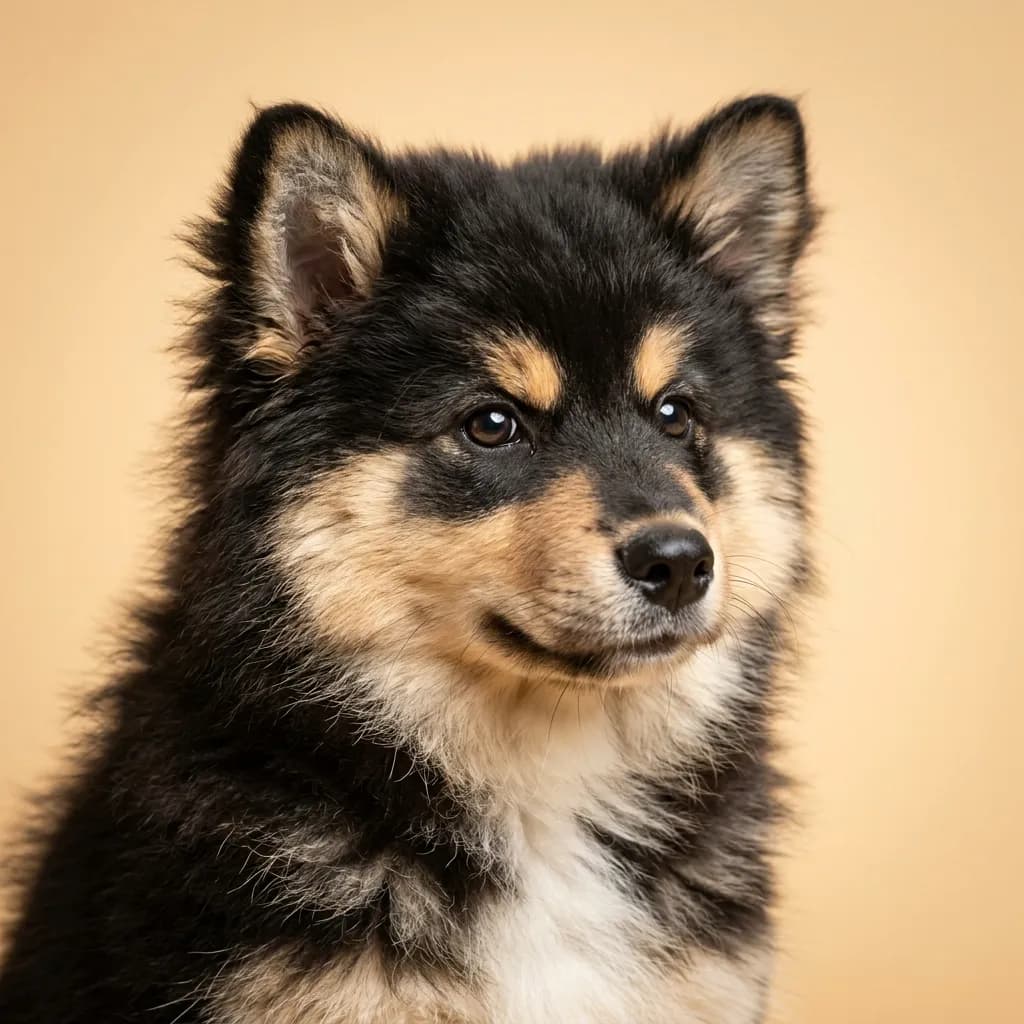
You don’t see Bloodhounds and Finnish Lapphunds in the same room often, but people compare them when they’re looking for a loyal, big-hearted dog with a rich history and a nose for adventure. Both are friendly, bark plenty, and thrive with active owners. But that’s where the similarities melt away like snow in spring. The Bloodhound is a scent-driven powerhouse. At 100 pounds of loose skin and drool, this dog will follow a trail for miles, ignoring everything. your calls, squirrels, even food. if a scent catches. They’re gentle with kids but not exactly tuned in. Their independence can look like stubbornness, and their baying? It’s not a bark. It’s a deep, mournful call that carries for blocks. You need space, patience, and a serious fence. They’re not ideal for city life or anyone craving quiet evenings. The Finnish Lapphund is a different kind of alert. Light, agile, and covered in a plush double coat, this breed was born for Arctic winds, not backwoods tracking. They bond tightly with families, are more adaptable to suburban living, and genuinely enjoy being part of the daily hustle. They’ll herd your kids into the kitchen at dinner time and bark at every passing bike. They’re easier to train for household manners, but you’ll need to stay on top of shedding. this dog blows its coat like a snowstorm. Here’s the real difference: a Bloodhound lives to track. A Lapphund lives to be with you. If you want a dog that works like a bloodhound but fits family life better, go Lapphund. If you’re drawn to the idea of a living, breathing search-and-rescue machine with a heart of gold, the Bloodhound will wreck your laundry with mud and your heart with loyalty. Just don’t expect silence.
Trait-by-trait
Higher bar = more of that trait. Shedding, barking, drooling, grooming flipped for readability.Where they diverge
Choose the Bloodhound if…
- Active people
- Rural homes
- Hunters
- You value drooling level — Bloodhound scores noticeably higher.
Choose the Finnish Lapphund if…
- Active families
- Cold climates
- First-time owners
- You value affectionate w/ family — Finnish Lapphund scores higher here.