Bloodhound vs German Pinscher
Side-by-side comparison across all 14 AKC trait ratings, with a clear verdict on which breed fits which kind of household.
Not sure which breed fits your life?
Answer five questions about your home, your schedule, and your tolerance for shedding. We’ll match you to your top three breeds from over 200.
Bloodhound vs German Pinscher
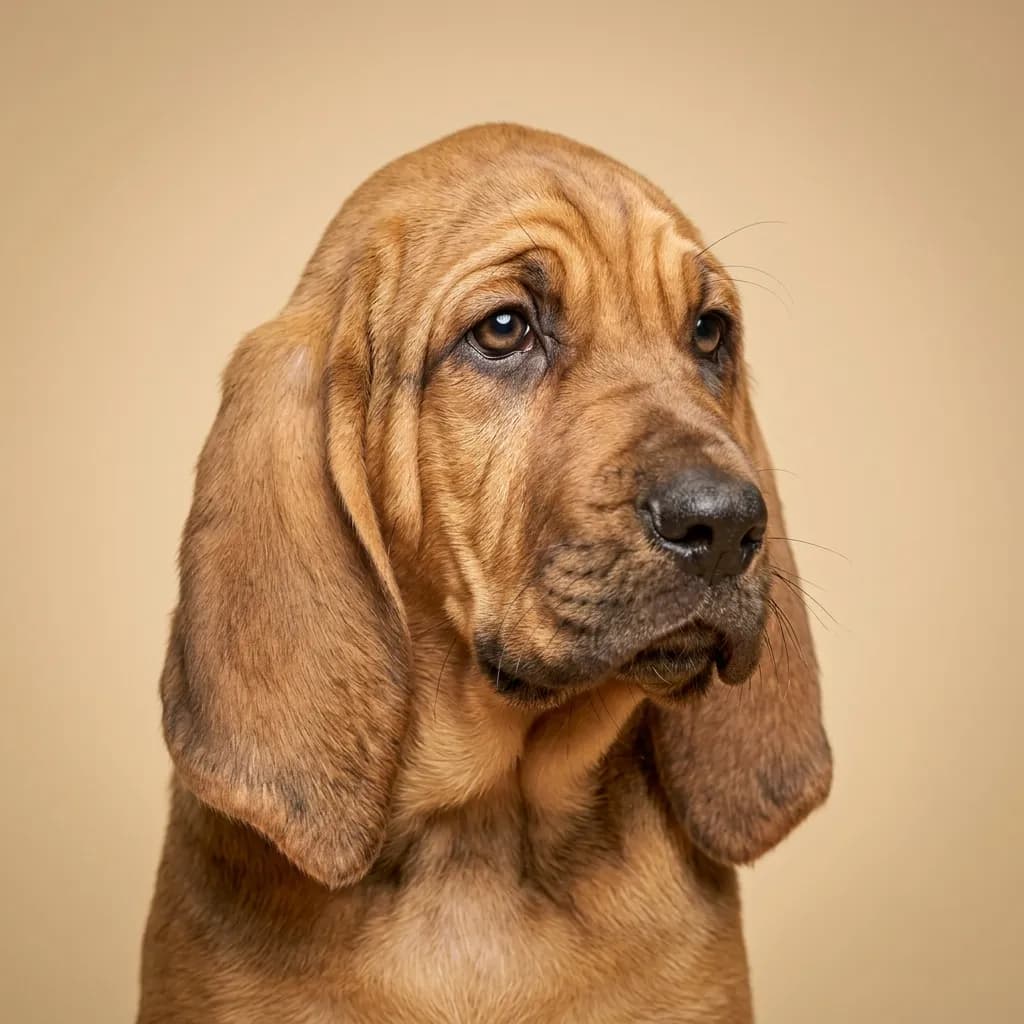
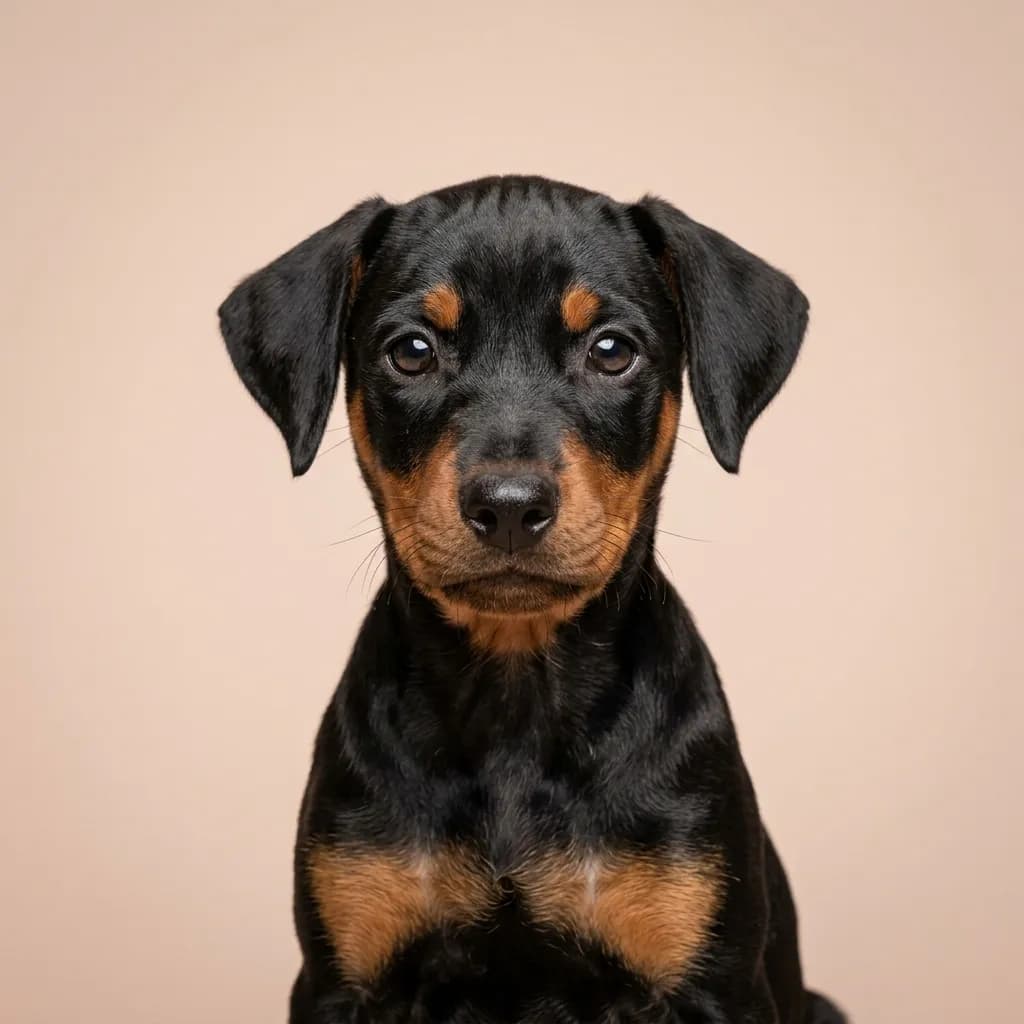
You wouldn’t think someone would compare a Bloodhound and a German Pinscher at first glance. one’s a droopy-faced sleuth built for miles of scent work, the other a sleek, wiry-legged guardian with a spark in its eye. But they pop up together when folks are digging into lesser-known breeds that demand experience and commitment. Both are alert, not for beginners, and have that intense focus that says, “I have a job to do.” Here’s where they split hard. The Bloodhound is all about the nose. You’ll lose it in a grocery store parking lot if it catches a whiff of something interesting. It’s not stubborn out of spite. it’s literally hardwired to follow a trail, even if that means ignoring you completely. You need space, patience, and a secure fence, because escape attempts are nearly guaranteed. It’s gentle with family, but don’t expect a lap dog. The baying? Loud, frequent, and carries for miles. The German Pinscher, on the other hand, is a live wire with loyalty baked in. It’s smaller, yes, but don’t be fooled. it’s bold, alert, and thrives on structure. This dog will learn complex tricks fast, dominate agility courses, and stand between you and anything it deems suspicious. It’s more contained in noise and space needs, but it needs a job and firm, consistent training. Without it, boredom turns destructive. If you’re on a rural property and love tracking or search work, the Bloodhound makes sense. But if you want a sharp, compact protector who lives for challenges and connection, the Pinscher’s your dog. Here’s the real talk: neither breed forgives sloppy ownership. But the Bloodhound will break your heart by wandering off because it forgot you exist. The Pinscher? It’ll remember every slight and test you daily. because it can.
Trait-by-trait
Higher bar = more of that trait. Shedding, barking, drooling, grooming flipped for readability.Where they diverge
Choose the Bloodhound if…
- Active people
- Rural homes
- Hunters
- You value drooling level — Bloodhound scores noticeably higher.
Choose the German Pinscher if…
- Experienced dog owners
- Active individuals
- Guard dog purposes
- You value watchdog / protective — German Pinscher scores higher here.