Bloodhound vs Hamiltonstovare
Side-by-side comparison across all 14 AKC trait ratings, with a clear verdict on which breed fits which kind of household.

Not sure which breed fits your life?
Answer five questions about your home, your schedule, and your tolerance for shedding. We’ll match you to your top three breeds from over 200.
Bloodhound vs Hamiltonstovare
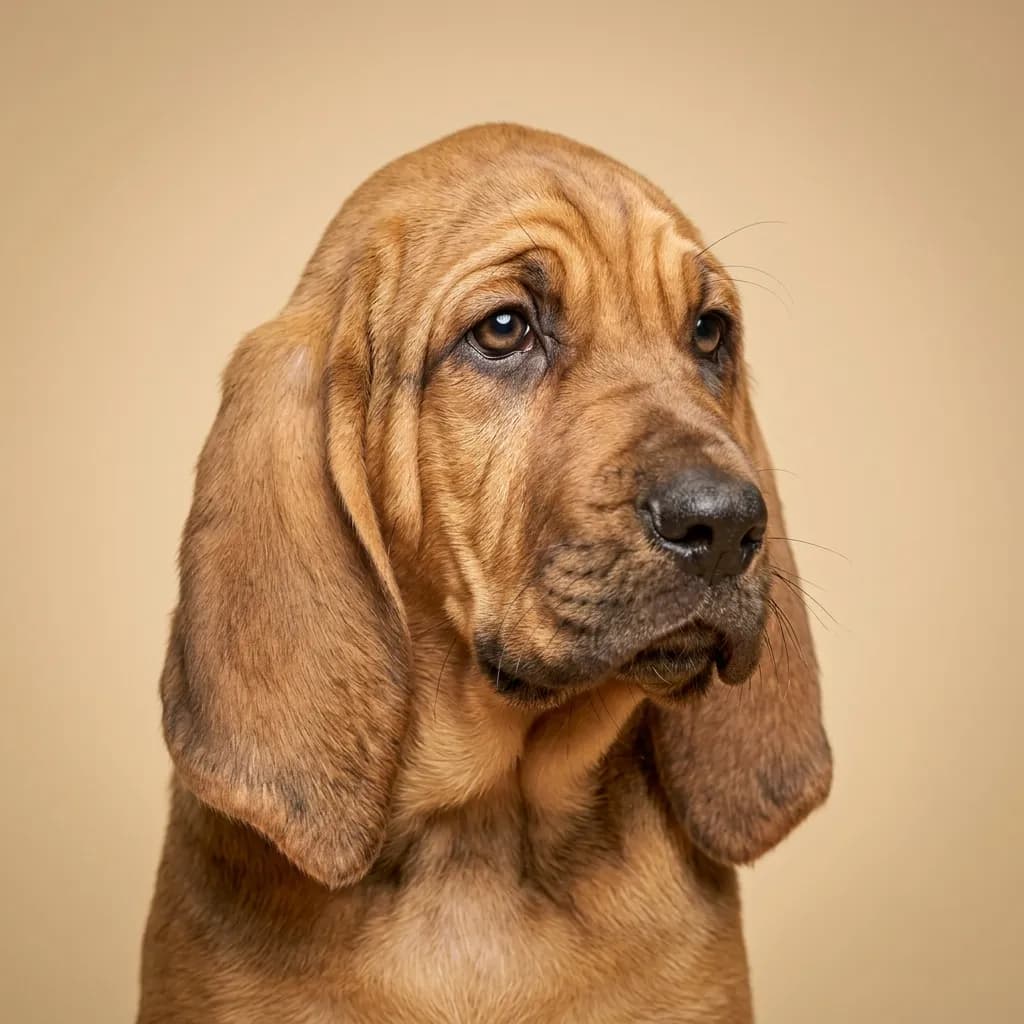
People throw these two breeds together because they’re both scent hounds with floppy ears and serious tracking chops. But comparing a Bloodhound to a Hamiltonstovare is like stacking up a long-haul trucker against a trail runner. Same job description, totally different build. The Bloodhound is the undisputed nose of the dog world. You’ve seen them on TV tracking fugitives or lost kids. That thing can follow a trail for 130 miles. But here’s the real talk: they’re slobbery, loud, and will ignore you completely if a smell catches their interest. They’re gentle and affectionate, yes, but good with kids? Only if you’ve got patience for a 100-pound dog leaning on toddlers. They need space, a secure fence, and someone who accepts that they’re part dog, part loose cannon. The Hamiltonstovare, on the other hand, is leaner, livelier, and way less dramatic. Bred to hunt fox and hare in Sweden’s forests, they’re tough, agile, and more balanced for family life. They bark less, weigh half as much, and actually seem to notice when you call them. sometimes. They’re great with kids and better suited to active families who hike, hunt, or just love a dog that’s game for anything. If you want a dog that’s built for one awe-inspiring skill and don’t mind the chaos, go Bloodhound. If you want a versatile hunting partner who also fits into a lively home without knocking over the Christmas tree, pick the Hamiltonstovare. Here’s the thing no one says: Bloodhounds aren’t stubborn. they’re just deeply committed to their work. You’re not the boss when there’s a scent in the air. The Hamiltonstovare still checks in with you, even mid-chase. That connection? It changes everything.
Trait-by-trait
Higher bar = more of that trait. Shedding, barking, drooling, grooming flipped for readability.Where they diverge
Choose the Bloodhound if…
- Active people
- Rural homes
- Hunters
- You value drooling level — Bloodhound scores noticeably higher.
Choose the Hamiltonstovare if…
- Hunters
- Active families
- Rural living
- You value good with young children — Hamiltonstovare scores higher here.