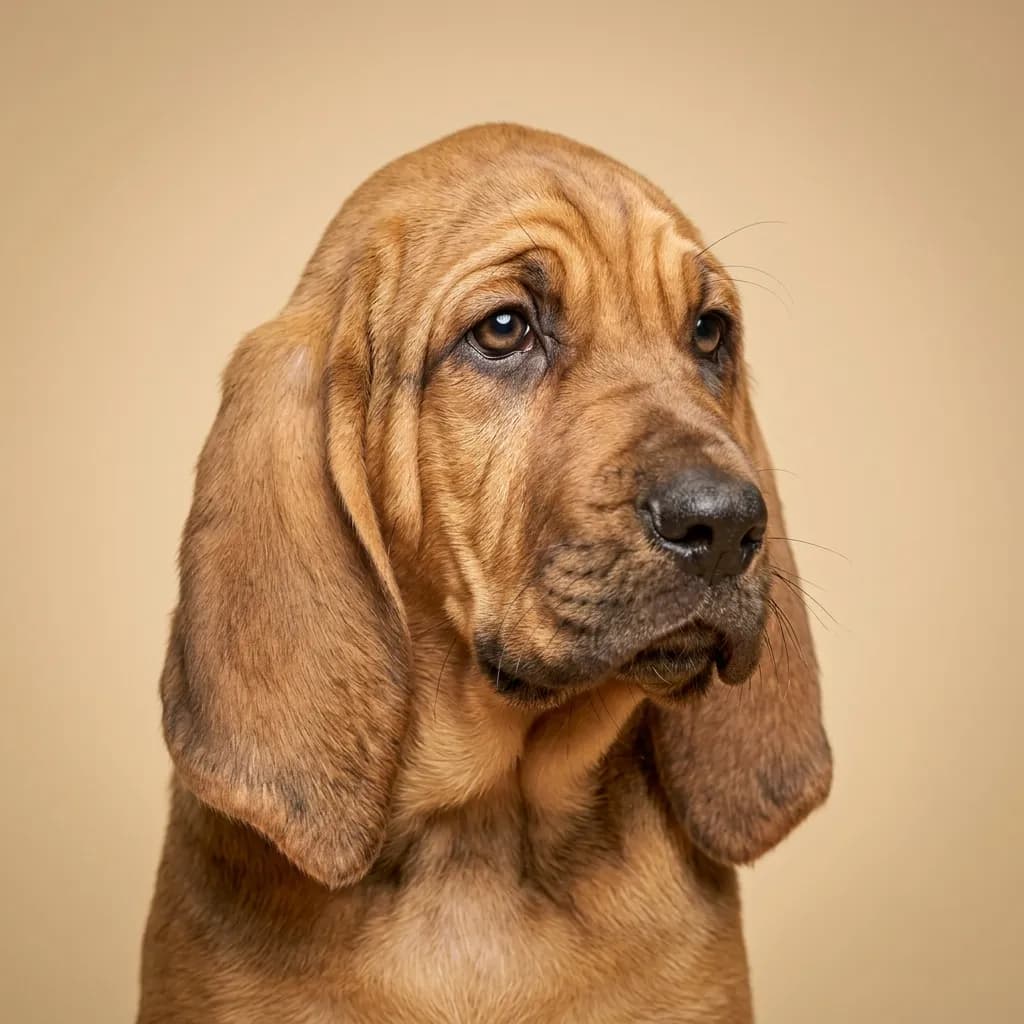
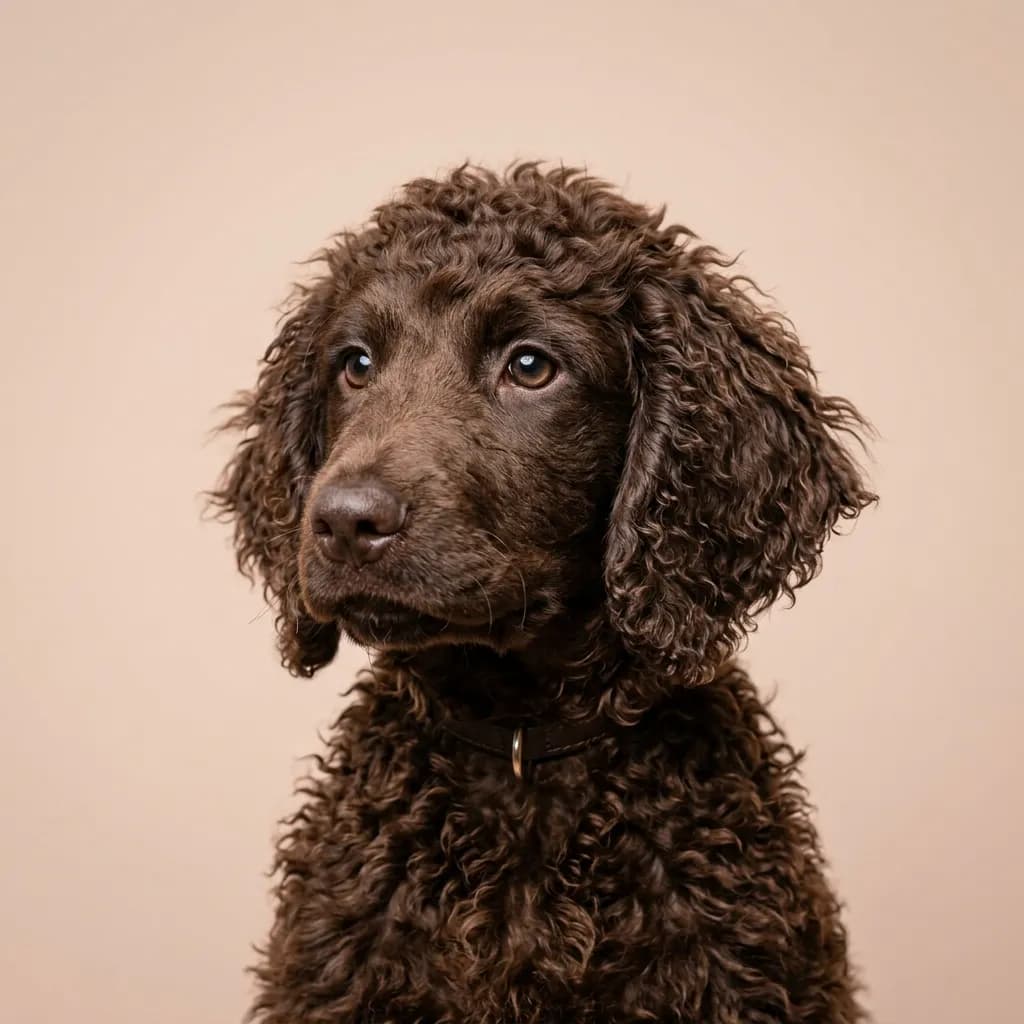
Bloodhound vs Irish Water Spaniel
Side-by-side comparison across all 14 AKC trait ratings, with a clear verdict on which breed fits which kind of household.
Not sure which breed fits your life?
Answer five questions about your home, your schedule, and your tolerance for shedding. We’ll match you to your top three breeds from over 200.
Bloodhound vs Irish Water Spaniel
You don’t see many people torn between a Bloodhound and an Irish Water Spaniel, but if you’re deep in the dog world, the question sneaks up. Both are scent-driven, built for serious work, and have that rare blend of independence and loyalty. But that’s where the similarities fade. The Bloodhound is the ultimate tracking machine. Picture a dog whose nose knows no limits, built to follow a trail for miles, ignoring everything. traffic, food, you. until it finds what it’s after. They’re big, loud, and stubborn in that gentle, droopy-faced way. If you live on acres and don’t mind howling at dawn, they’ll be your shadow. But they need space and patience. They’re not quick learners when it comes to obedience, and their ears? Constant maintenance. They’re friendly, yes, but not always with you. they’re often lost in a scent only they can detect. The Irish Water Spaniel is like the Bloodhound’s more polished cousin. Same nose for trouble, but wrapped in a curly, low-shedding coat and a brain that wants to work with you. They’re quieter, smarter in the obedience ring, and actually enjoy swimming in freezing water. which makes sense, given they were bred for Irish bogs. They bond tightly, train easily, and adapt better to different homes, even if they still need serious exercise. Here’s the real difference: Bloodhounds follow their nose no matter what. Irish Water Spaniels follow their nose with you. If you want a partner in the field who’s also a manageable family member, go Irish Water Spaniel. If you’re after a living, breathing tracking legend and don’t mind the chaos, the Bloodhound’s your hound. And honestly? Most people underestimate how loud a Bloodhound’s voice is until 5 a.m. rolls around.
Trait-by-trait
Higher bar = more of that trait. Shedding, barking, drooling, grooming flipped for readability.Where they diverge
Choose the Bloodhound if…
- Active people
- Rural homes
- Hunters
- You value barking level — Bloodhound scores noticeably higher.
Choose the Irish Water Spaniel if…
- Hunters
- Active families
- Waterfowl hunting
- You value playfulness — Irish Water Spaniel scores higher here.