Bloodhound vs Kerry Blue Terrier
Side-by-side comparison across all 14 AKC trait ratings, with a clear verdict on which breed fits which kind of household.

Not sure which breed fits your life?
Answer five questions about your home, your schedule, and your tolerance for shedding. We’ll match you to your top three breeds from over 200.
Bloodhound vs Kerry Blue Terrier
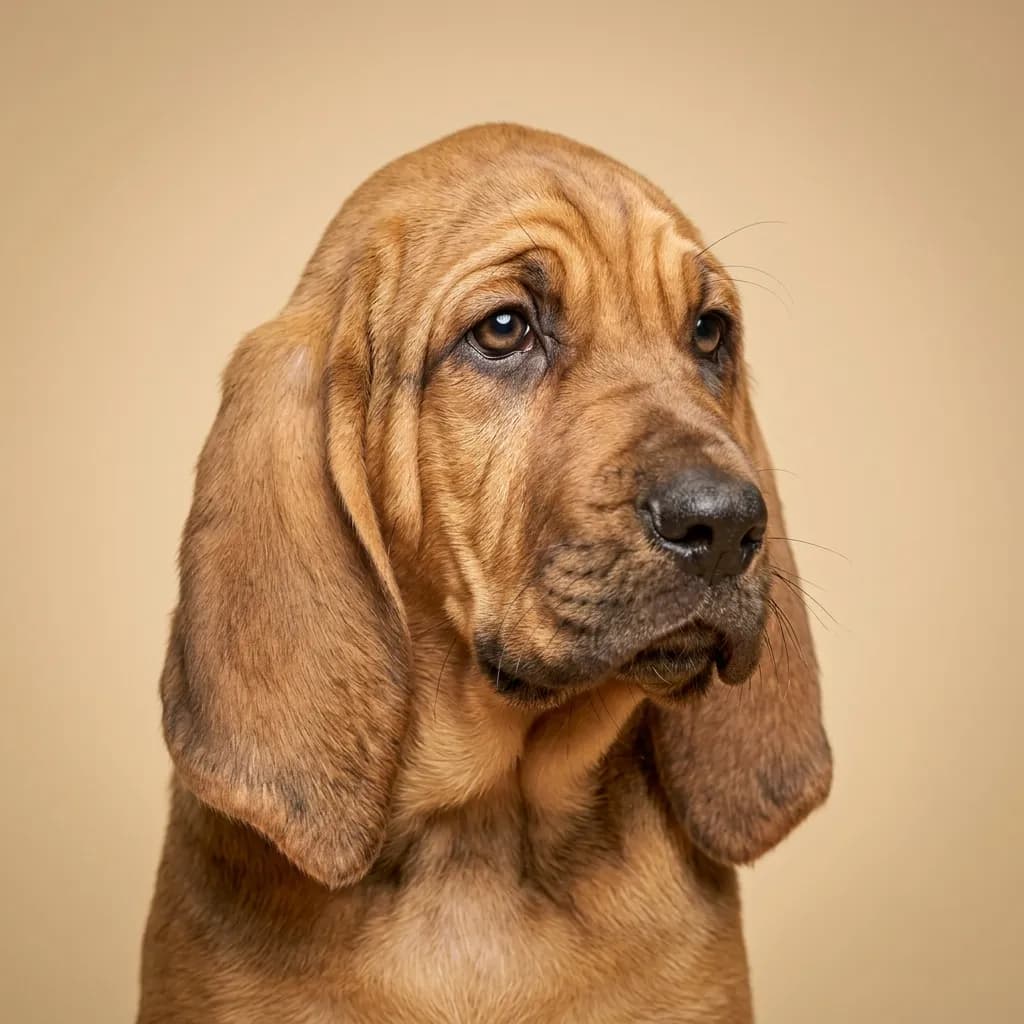
You don’t see Bloodhounds and Kerry Blue Terriers duking it out at the dog park, but people compare them when they’re torn between a dog that works and a dog that connects. Both are smart, need experienced hands, and cost about the same, but that’s where the similarity ends. The Bloodhound is a scent-driven machine. Imagine a dog whose nose is so powerful it’s used by police, with ears that drag through puddles and a voice that can wake the dead. They’re friendly and affectionate with their people, but stubborn when a trail hits their nostrils. You’ll need space, a solid fence, and patience for drool, barking, and that occasional Houdini act. They’re not ideal for families with young kids, not because they’re aggressive, but because their sheer size and single-mindedness can knock over a toddler mid-sniff. The Kerry Blue is a thinker with a spring in its step. Soft, wavy blue-gray coat, zero shedding. great for allergies. and a personality that craves involvement. They bond fiercely, love routines with training and games, and will shadow you from room to room. But they’re terriers, which means they can be bossy, bark at squirrels like it’s their job, and may chase cats or small animals. They’re better for active families with older kids and owners who enjoy grooming rituals every few weeks. Here’s the real talk: Bloodhounds live in their noses; Kerry Blues live in your lap. If you want a partner for long rural walks and don’t mind a vocal, independent streak, go Bloodhound. If you want a loyal, clever companion who thrives on engagement and you’re ready for terrier sass, the Kerry Blue’s your match. Just know. neither forgives a weak fence.
Trait-by-trait
Higher bar = more of that trait. Shedding, barking, drooling, grooming flipped for readability.Where they diverge
Choose the Bloodhound if…
- Active people
- Rural homes
- Hunters
- You value drooling level — Bloodhound scores noticeably higher.
Choose the Kerry Blue Terrier if…
- Experienced terrier owners
- Active families
- Allergy sufferers
- You value watchdog / protective — Kerry Blue Terrier scores higher here.