Bloodhound vs Lapponian Herder
Side-by-side comparison across all 14 AKC trait ratings, with a clear verdict on which breed fits which kind of household.
Not sure which breed fits your life?
Answer five questions about your home, your schedule, and your tolerance for shedding. We’ll match you to your top three breeds from over 200.
Bloodhound vs Lapponian Herder
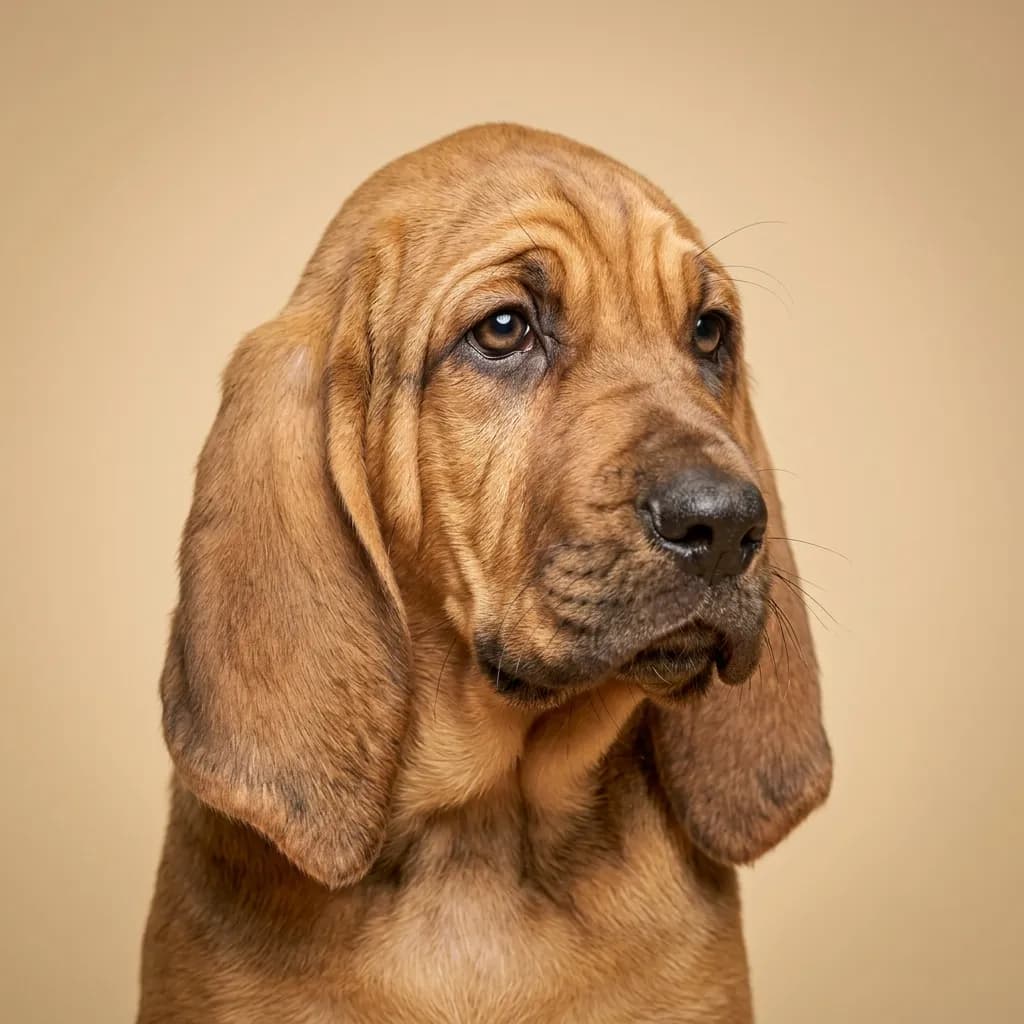
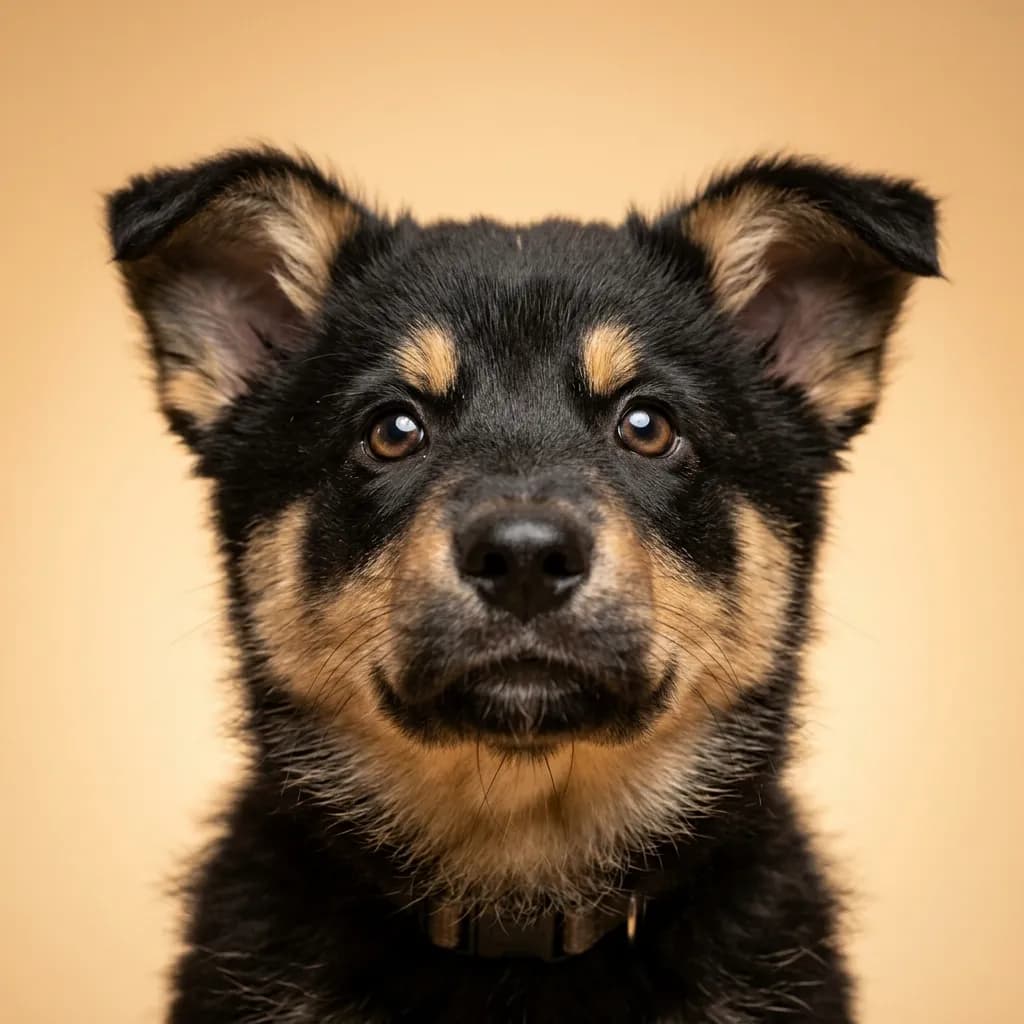
People compare Bloodhounds and Lapponian Herders because both are rare, active, and look like they belong in a wilderness documentary. But that’s where the similarities end. One’s a scent-tracking powerhouse built like a draft horse with ears for days. The other’s a compact, fox-faced Arctic herder with a spring in its step and eyes that miss nothing. If you’re torn between them, you’re probably drawn to purposeful dogs. but what kind of purpose matters most to you? The Bloodhound is all about the trail. That nose is unmatched in the dog world, capable of following a days-old scent for miles. But that focus comes with tradeoffs. They’re stubborn when a smell grabs them, they bay like hounds (meaning you’ll never surprise your neighbors), and their loose skin needs maintenance. You’ll need space, patience, and a secure yard. They’re gentle with kids but not exactly nimble in a small home. The Lapponian Herder, meanwhile, lives to work alongside you. Bred to move reindeer in -30°F weather, this dog thrives on tasks, snow, and motion. It’s more agile, more responsive in training, and surprisingly quiet compared to the Bloodhound. though it’s still no apartment pet. It bonds tightly and wants to be involved, whether you’re hiking or herding (or pretending to herd in your backyard). Here’s the real talk: the Bloodhound will love you, but it’s married to its nose. The Lapponian Herder loves you. and expects you to love it back with attention and activity. Choose the Bloodhound if you want a living tool with soulful eyes. Choose the Lapponian if you want a partner who’ll match your energy and remember every game you’ve ever played.
Trait-by-trait
Higher bar = more of that trait. Shedding, barking, drooling, grooming flipped for readability.Where they diverge
Choose the Bloodhound if…
- Active people
- Rural homes
- Hunters
- You value drooling level — Bloodhound scores noticeably higher.
Choose the Lapponian Herder if…
- active families
- cold climates
- herding and working dog enthusiasts
- You value watchdog / protective — Lapponian Herder scores higher here.