Bloodhound vs Mountain Cur
Side-by-side comparison across all 14 AKC trait ratings, with a clear verdict on which breed fits which kind of household.
Not sure which breed fits your life?
Answer five questions about your home, your schedule, and your tolerance for shedding. We’ll match you to your top three breeds from over 200.
Bloodhound vs Mountain Cur
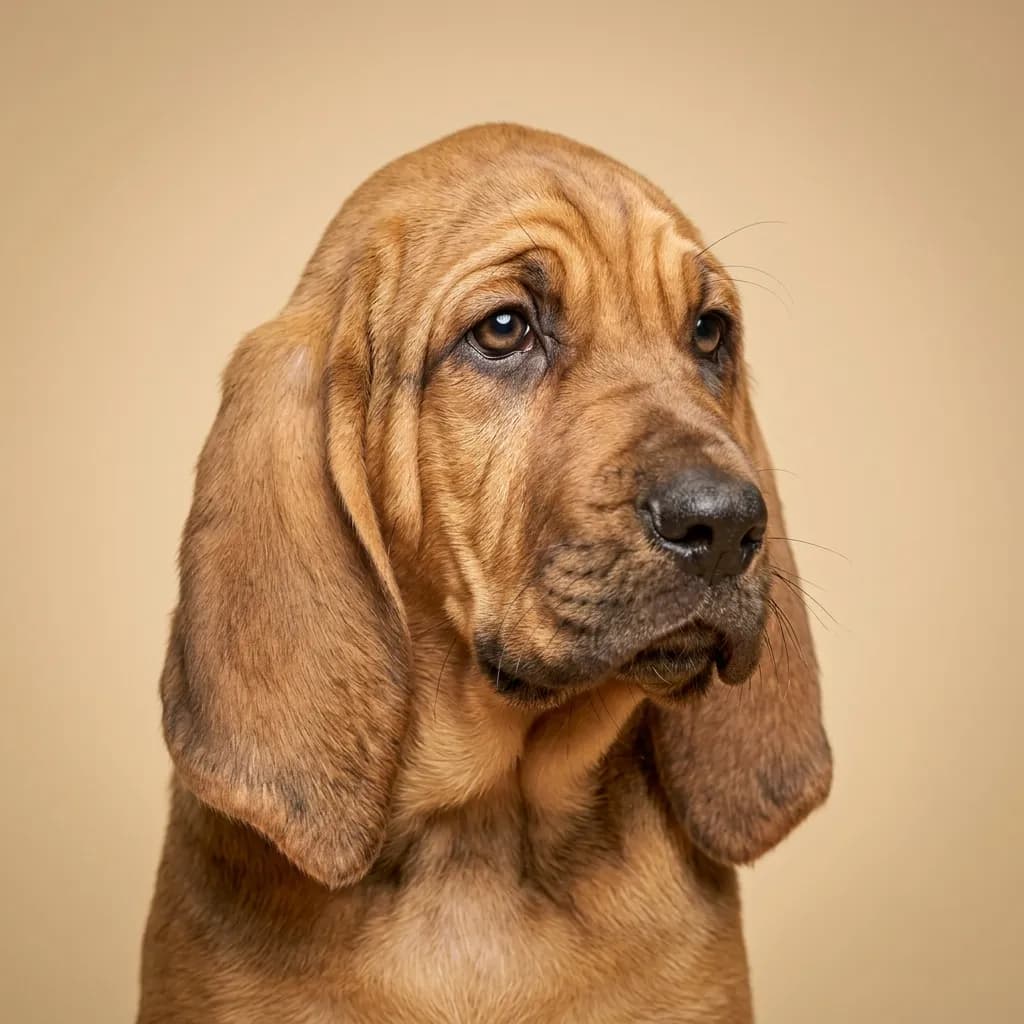
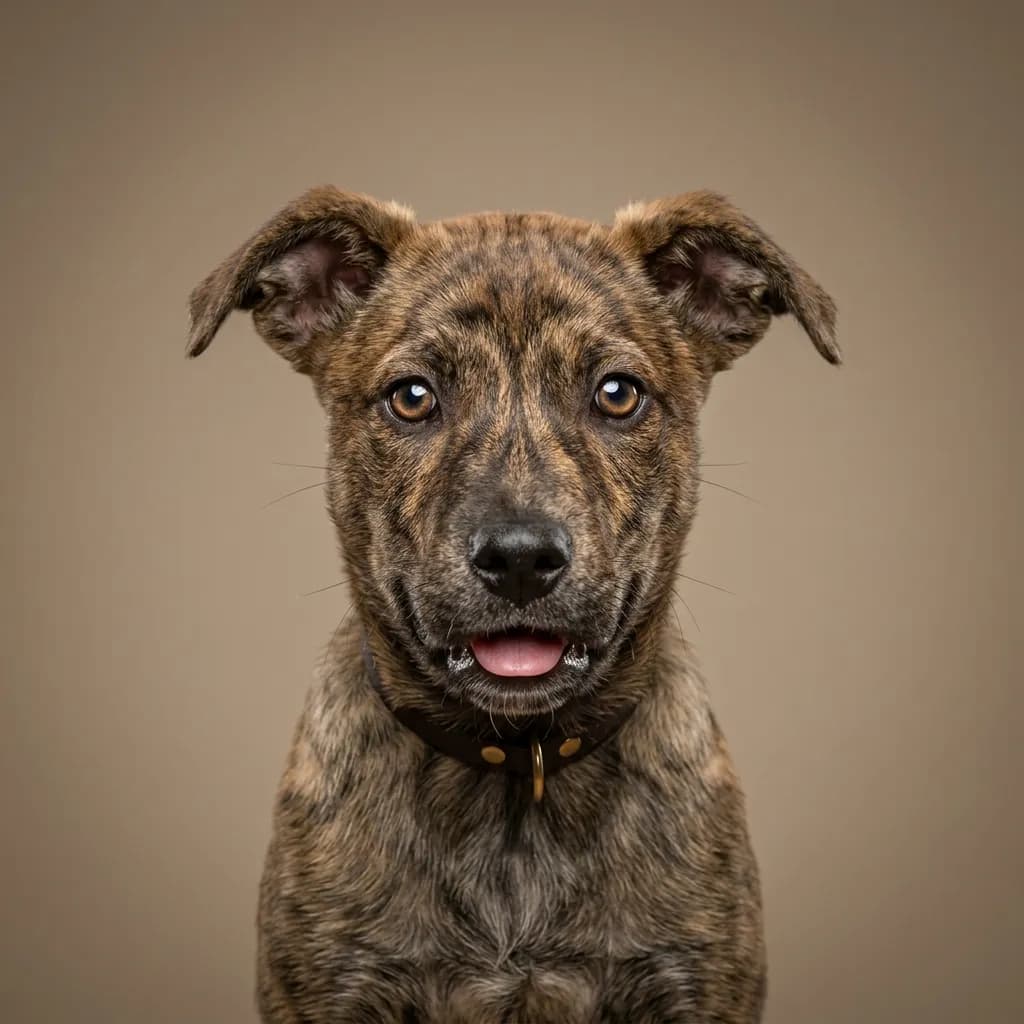
People compare Bloodhounds and Mountain Curs because both are working dogs from hunting lineages, often considered by folks with rural property or serious outdoor lifestyles. But that’s where the similarity ends. These aren’t two paths up the same mountain. they’re climbing entirely different peaks. The Bloodhound is a scent machine. Built for one thing: follow a trail no matter how cold, how long. You’ll find them trailing missing persons for law enforcement, their ears dragging through brush, minds locked into odor like nothing else. They’re gentle, yes, and oddly dignified. but they’ll bay through a full moon like it’s their job. And they will not come when called if a squirrel’s scent hits the wind. You need a six-foot fence and the patience of a monk. They’re heavier, slower to mature, and their loose skin demands upkeep. ear infections and bloat are real concerns. The Mountain Cur is leaner, quicker, more alert. Bred to tree raccoons and bay cougars in the Appalachians, they’re intense, agile, and fiercely loyal to their family. They’re not barkers by default, but they’re always watching. Where the Bloodhound wanders with nose down, the Mountain Cur patrols with head up. Training? Both are stubborn, but in different ways. The Bloodhound ignores you because it’s lost in scent. The Cur debates you because it thinks it’s the boss. Here’s the truth beyond the data: the Bloodhound wants to love everyone. The Mountain Cur decides who gets in. If you want a docile giant with a bloodhound’s droop and a nose like a GPS, go Bloodhound. But if you want a wiry, all-terrain partner who’ll guard your land and hunt your game without permission, the Mountain Cur’s your dog. Neither fits city life. But in the right home, both are unforgettable.
Trait-by-trait
Higher bar = more of that trait. Shedding, barking, drooling, grooming flipped for readability.Where they diverge
Choose the Bloodhound if…
- Active people
- Rural homes
- Hunters
- You value drooling level — Bloodhound scores noticeably higher.
Choose the Mountain Cur if…
- Active outdoor owners
- Hunters
- Rural or farm settings
- You value energy level — Mountain Cur scores higher here.