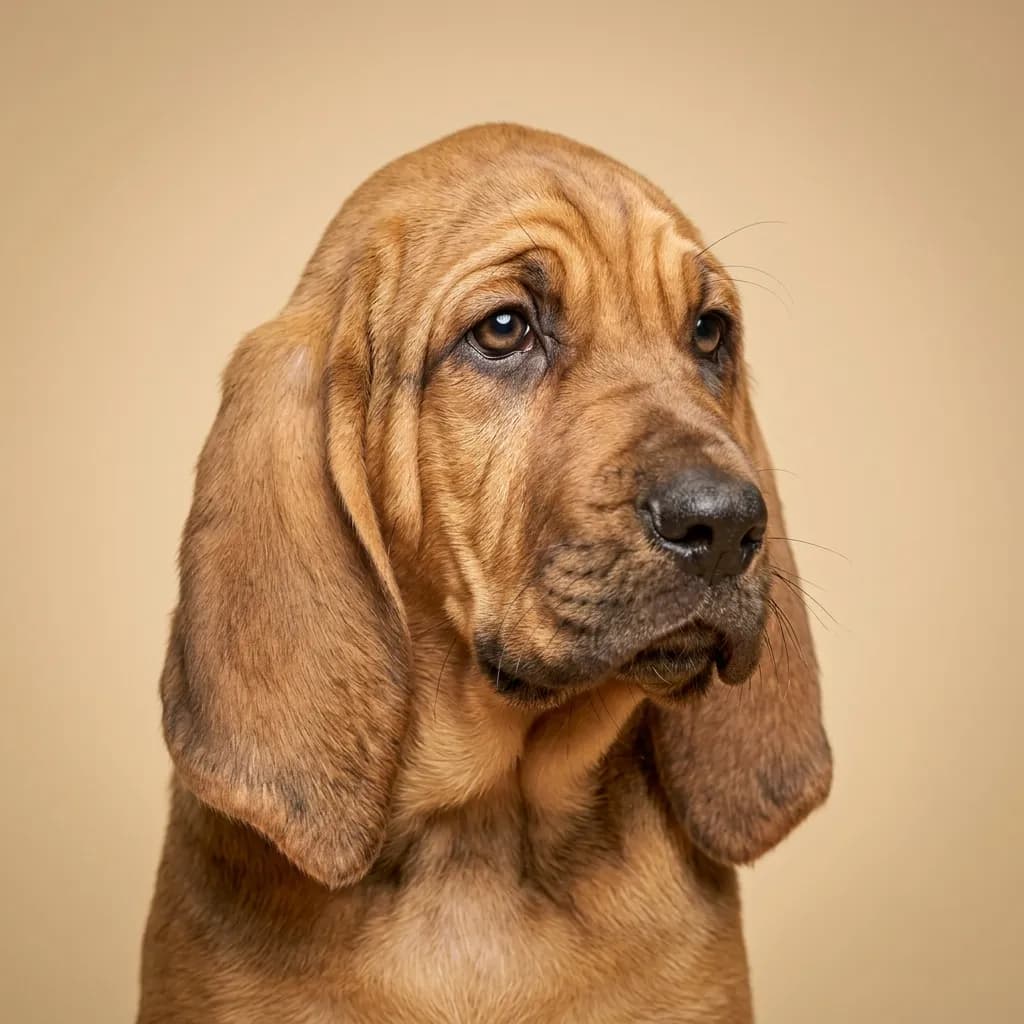
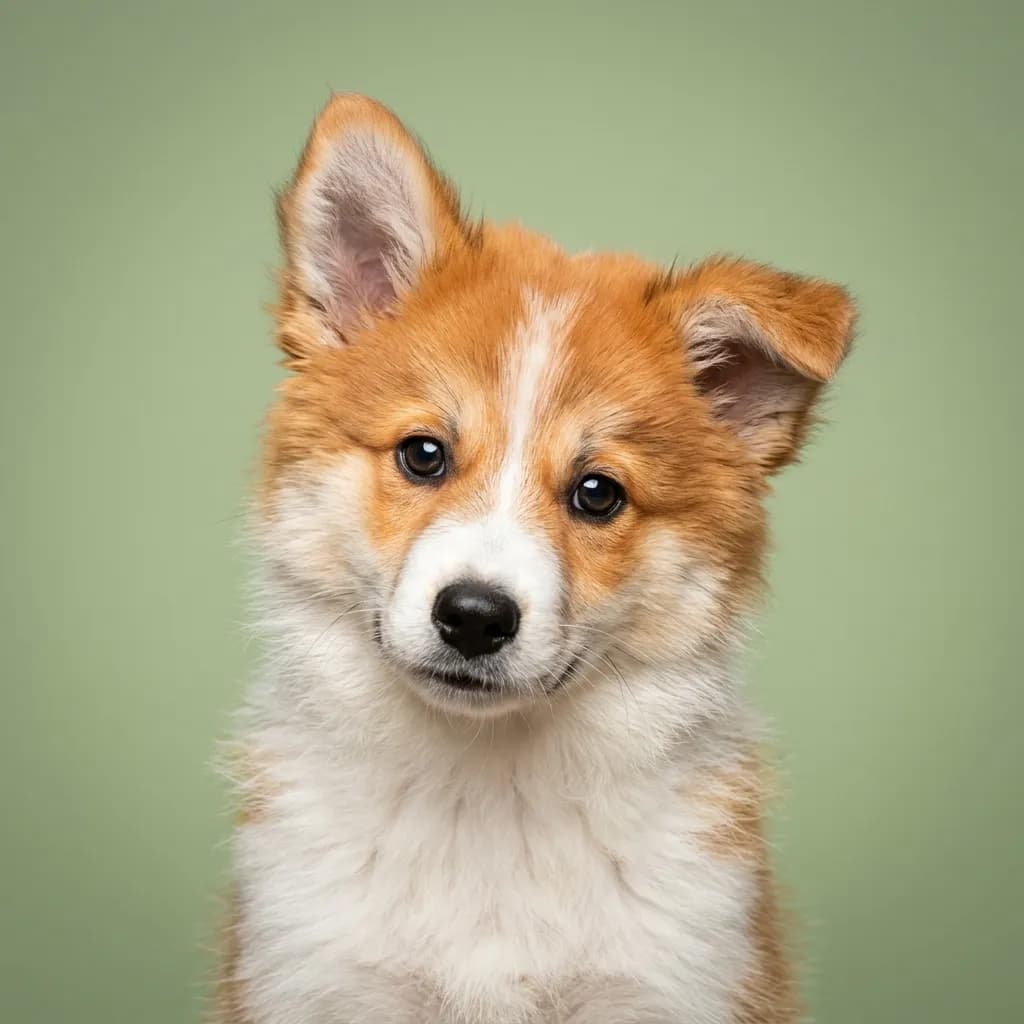
Bloodhound vs Norrbottenspets
Side-by-side comparison across all 14 AKC trait ratings, with a clear verdict on which breed fits which kind of household.
Not sure which breed fits your life?
Answer five questions about your home, your schedule, and your tolerance for shedding. We’ll match you to your top three breeds from over 200.
Bloodhound vs Norrbottenspets
You’re not going to find these two on the same trail. literally. The Bloodhound and Norrbottenspets come up together because someone’s deep in breed research, probably torn between a dog that follows its nose across counties and one that’s built for icy woods and sharp instincts. But that’s where the similarity ends. The Bloodhound is a scent-powered tank. At 110 pounds of droopy-eared determination, this dog will track a trail for miles in any weather, and it’ll bark. a lot. when it finds it. They’re gentle with people but stubborn as mules when training. You need space, a solid fence, and patience for slobber and ear infections. They’re not hyper, but their nose runs the show. If you’re in law enforcement or love search and rescue, this dog’s a legend. The Norrbottenspets is the opposite kind of specialist. Light, quick, and alert, this 25-pound Nordic spitz was bred to flush capercaillie from frozen trees. They’re energetic, smart, and way more independent than they let on. They don’t bark constantly, but they’ll let you know what they think. Great with older kids if socialized early, but that prey drive means you’re not keeping backyard chickens with this one. The real difference? Focus. Bloodhounds live in the past. following a scent hours old. Norrbottenspets live in the moment. watching, reacting, working in sync with their handler. One’s a marathon tracker, the other’s a sprint hunter. Here’s the truth the breed standards won’t tell you: neither adapts well to indecisive owners. Both need clear roles. A bored Bloodhound will find its own adventure. probably over your fence. A neglected Norrbottenspets will turn clever into sneaky. Pick the job, then pick the dog.
Trait-by-trait
Higher bar = more of that trait. Shedding, barking, drooling, grooming flipped for readability.Where they diverge
Choose the Bloodhound if…
- Active people
- Rural homes
- Hunters
- You value drooling level — Bloodhound scores noticeably higher.
Choose the Norrbottenspets if…
- hunters
- active families
- cold climate owners
- You value watchdog / protective — Norrbottenspets scores higher here.