Bloodhound vs Toy Poodle
Side-by-side comparison across all 14 AKC trait ratings, with a clear verdict on which breed fits which kind of household.

Not sure which breed fits your life?
Answer five questions about your home, your schedule, and your tolerance for shedding. We’ll match you to your top three breeds from over 200.
Bloodhound vs Toy Poodle
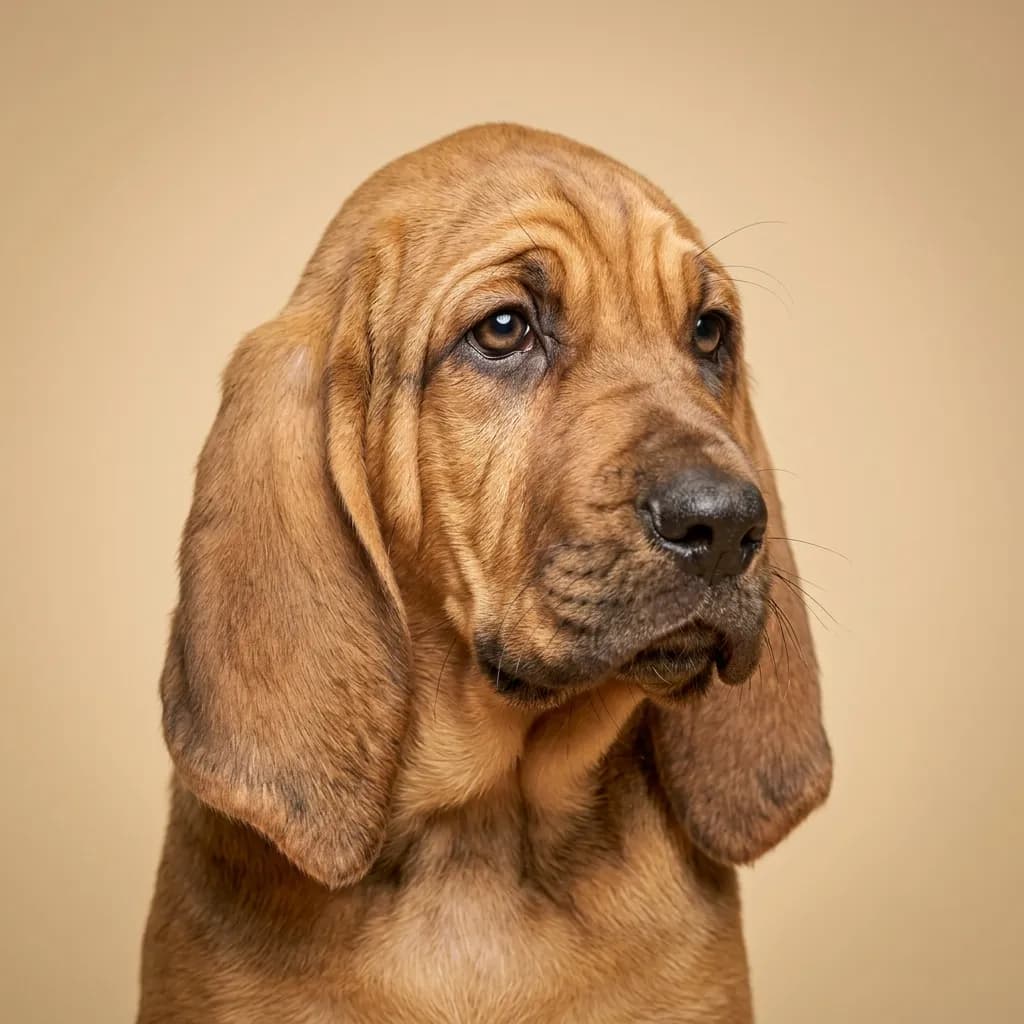
You probably wouldn’t compare a Bloodhound and a Toy Poodle if you weren’t deep in the dog world, or maybe deep in a late-night scroll trying to figure out how two such opposite breeds even exist in the same species. One’s a 100-pound nose with legs, built for tracking fugitives across miles of wilderness. The other’s a 5-pound cloud in a bow, bred to charm crowds under a circus tent. But people do compare them. usually because they’re torn between a dog that’s low-allergy and apartment-friendly versus one that’s loyal, goofy, and built for adventure. The truth? These dogs want completely different lives. A Bloodhound needs space, a secure fence, and someone who doesn’t mind baying at 6 a.m. because it caught a whiff of a squirrel three blocks away. They’re sweet, stubborn, and hard to recall off-leash. training helps, but that nose rules. You’ll need patience, time, and a tolerance for drool on your best shirt. They’re not ideal for city living or if your idea of a walk is around the block. The Toy Poodle, meanwhile, thrives in a studio apartment. They’re sharp as a tack, bond fiercely, and rarely shed. great for allergies. But don’t mistake their size for ease. They need grooming every six weeks, mental puzzles, and socialization to avoid becoming yappy little alarms. They’re not the best with toddlers who might pull their hair. Here’s the real talk: the Bloodhound will follow a scent and forget you exist. The Toy Poodle will remember you didn’t say “good dog” after it sat. Pick based on your life, not your fantasy. If you hike, hunt, or live on acreage, go Bloodhound. If you want a sharp, portable companion who’ll learn tricks in minutes and curl up on your lap, the Toy Poodle’s your match. Just be ready for the upkeep. either slobber or salon trips. No in-between.
Trait-by-trait
Higher bar = more of that trait. Shedding, barking, drooling, grooming flipped for readability.Where they diverge
Choose the Bloodhound if…
- Active people
- Rural homes
- Hunters
- You value drooling level — Bloodhound scores noticeably higher.
Choose the Toy Poodle if…
- Apartment living
- Allergy sufferers
- Seniors
- You value good with young children — Toy Poodle scores higher here.