Bloodhound vs Russell Terrier
Side-by-side comparison across all 14 AKC trait ratings, with a clear verdict on which breed fits which kind of household.
Not sure which breed fits your life?
Answer five questions about your home, your schedule, and your tolerance for shedding. We’ll match you to your top three breeds from over 200.
Bloodhound vs Russell Terrier
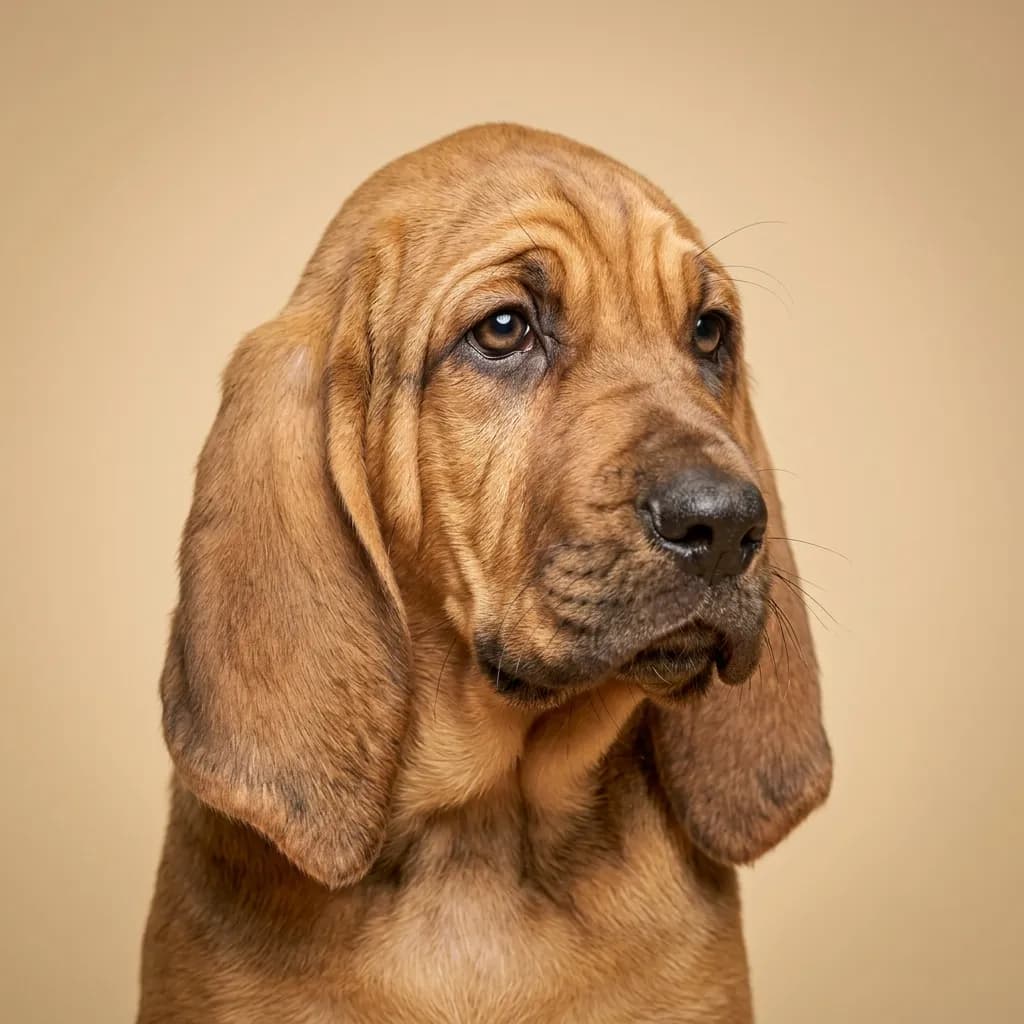
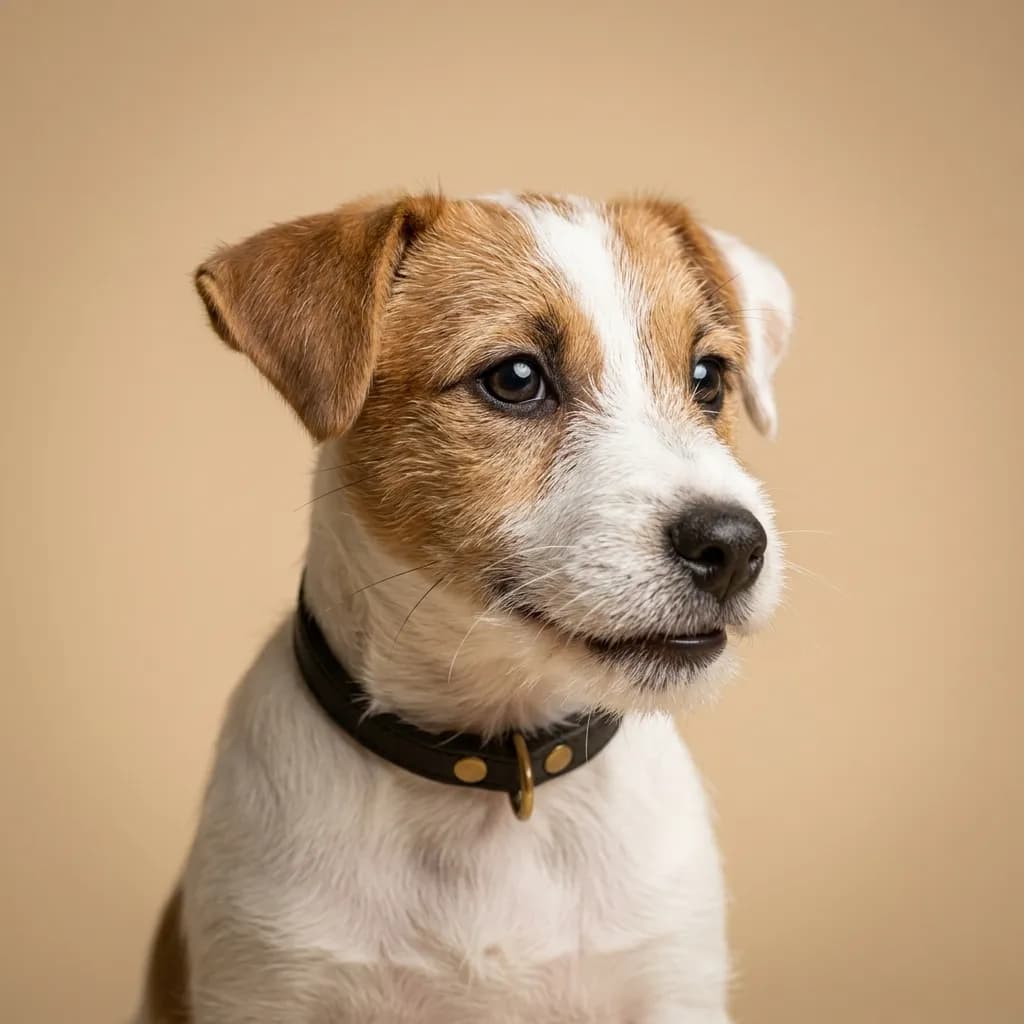
You probably wouldn’t compare a Bloodhound and a Russell Terrier on paper. they look about as alike as a pickup truck and a go-kart. But people do, and the reason is surprising: both are scent-obsessed working dogs with noses that override commands. The real question isn’t about size or energy. It’s about control. The Bloodhound is the quiet philosopher of tracking, built for endurance. At 100 pounds and deep in thought, it’ll follow a scent trail for miles with calm determination. It’s gentle, affectionate, and will lean into your side like a warm wall. But don’t be fooled by the sad eyes. this dog will ignore you completely if something interesting is in the air. And yes, it will howl. Often. You need space, time, and a solid fence. A suburban backyard won’t cut it. The Russell Terrier is the opposite kind of obsession. Ten pounds of coiled spring. It’s not following a scent for miles. it’s diving into it, underground if necessary. Originally bred to bolt foxes from dens, it’s fearless, intense, and built for action. It bonds deeply and loves hard, but it’s not the dog to leave alone on a couch. It needs jobs, agility courses, or at least a very chew-resistant home. Here’s the real talk: both are stubborn in their own way. The Bloodhound won’t come when called because it’s lost in scent. The Russell won’t come because it’s too busy digging up your garden to see what’s beneath. If you want a dog that listens, neither is your pick. Choose the Bloodhound if you’re patient, live rurally, and love a dog with quiet dignity. Pick the Russell Terrier if you want a tiny tornado with heart, and you’re ready to keep up.
Trait-by-trait
Higher bar = more of that trait. Shedding, barking, drooling, grooming flipped for readability.Where they diverge
Choose the Bloodhound if…
- Active people
- Rural homes
- Hunters
- You value drooling level — Bloodhound scores noticeably higher.
Choose the Russell Terrier if…
- Active owners
- Dog sports enthusiasts
- Families with older children
- You value good with other dogs — Russell Terrier scores higher here.